


























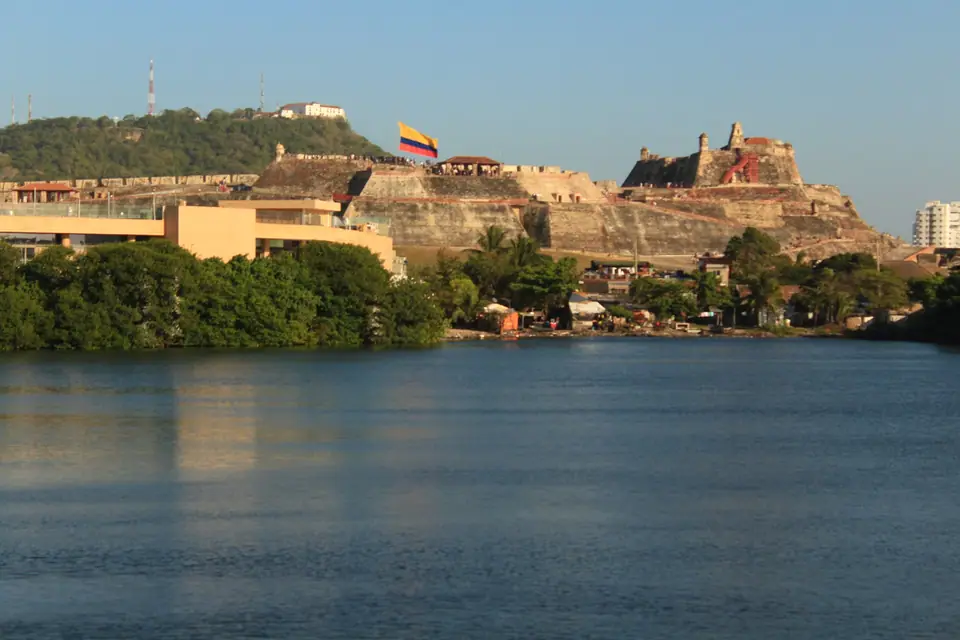
Best Time to Visit Cartagena: Trade Winds, Rain and Festivals
A month-by-month breakdown of Cartagena’s coastal climate using IDEAM 1991-2020 meteorological data, comparing the breezy dry season with the quieter green months and November Independence festivities.
Lying just ten degrees north of the Equator on the southern rim of the Caribbean Sea, Cartagena de Indias has almost no seasonal variation in temperature. According to official 1991 to 2020 normals recorded by Colombia’s Instituto de Hidrología, Meteorología y Estudios Ambientales (IDEAM) at Rafael Núñez International Airport, mean daytime highs stay within a narrow band from 31.1 °C in January and February to 32.3 °C in June, while overnight lows remain between 24.0 °C and 26.1 °C all year. Instead of temperature shifts, the travel calendar is governed by northeast trade winds, tropical rainfall (1,073.8 millimetres across roughly 70 rain days per year), and major cultural festivals.
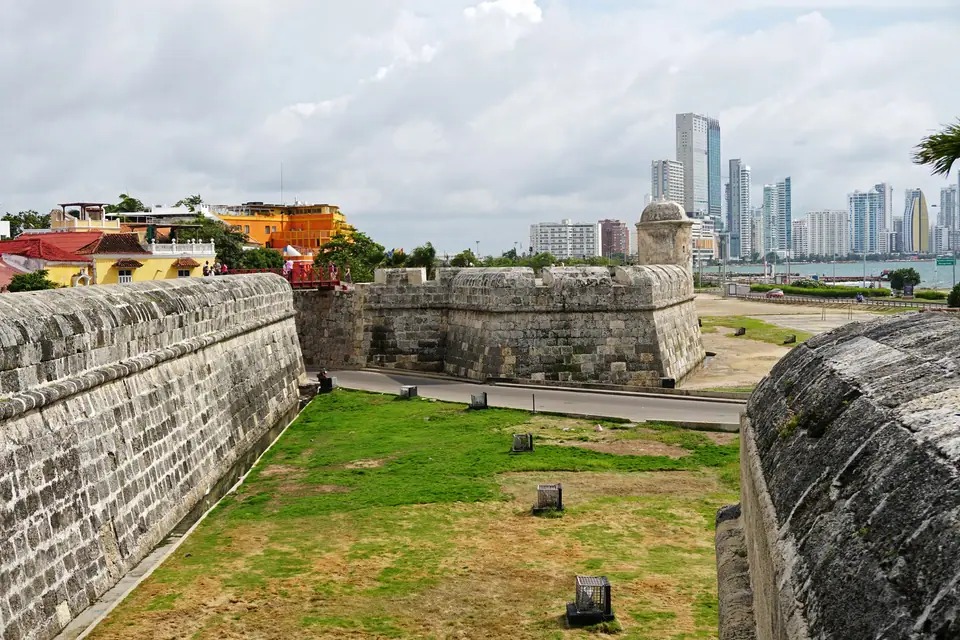
December to April: The Breezy Dry Season and Cultural Festivals
From mid-December through April, the northeast trade winds (los alisios) blow steadily across the Colombian Caribbean, sweeping away midday humidity and keeping the sky virtually cloudless. January (0.5 mm of rain, 272.8 hours of sunshine), February (0.3 mm of rain), and March (3.2 mm of rain) record less than one rain day per month. The afternoon breeze makes walking the exposed ramparts of Las Murallas and climbing Castillo San Felipe noticeably more comfortable, though afternoon chop on the open sea can make the return boat ride from the Rosario Islands livelier.
This dry window also hosts the city’s flagship international arts events: the ten-day Cartagena International Music Festival and the literary Hay Festival Cartagena in January, the patronal Fiestas de Nuestra Señora de la Candelaria on Cerro de la Popa paired with the culinary Festival del Frito Cartagenero in early February, and the Cartagena International Film Festival (FICCI) in March.
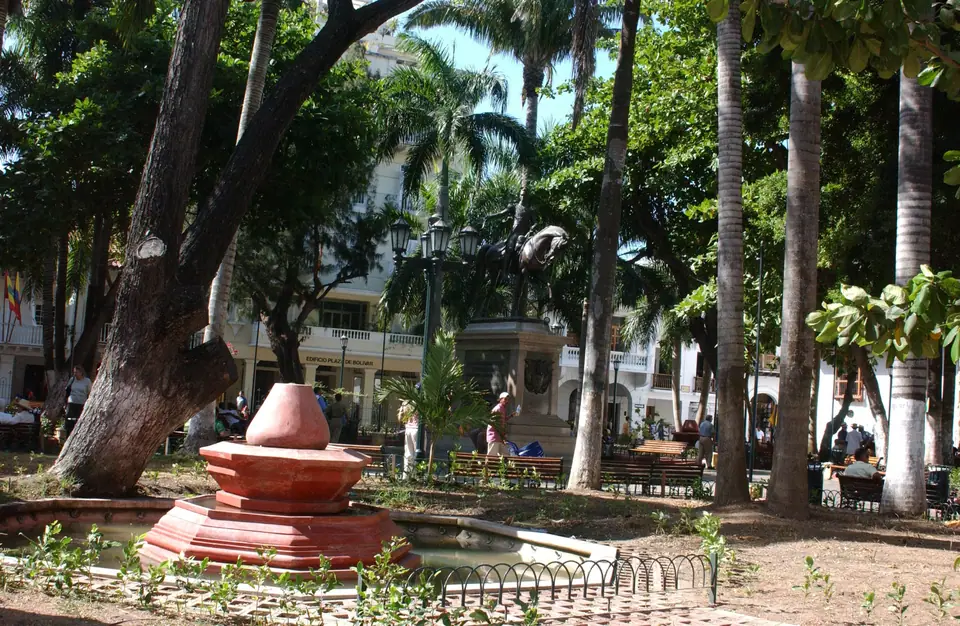
May to August: Warm Mornings and the Mid-Summer Veranillo
In May, the trade winds subside and the first wet season arrives (117.4 mm across roughly 7 rain days), bringing higher humidity and lush foliage to the gardens of Manga and Turbaco. In June (92.5 mm) and July (121.1 mm), a brief mid-year drier pause known locally as the veranillo de San Juan often brings calm, glassy morning seas that are ideal for snorkelling over the coral reefs of the Rosario archipelago, with showers usually falling as short, heavy late-afternoon downpours.
September to November: Peak Rainy Season
September (133.1 mm, 10 rain days), October (the wettest month at 236.5 mm across 12 rain days), and the first half of November (178.3 mm, 9 rain days) constitute the main rainy season. Even in October, Cartagena averages 5.5 hours of sunshine per day, and because the city sits far south of the primary Caribbean hurricane track, cyclonic storms are rare.
Why Mid-November Is a Standout Cultural Window
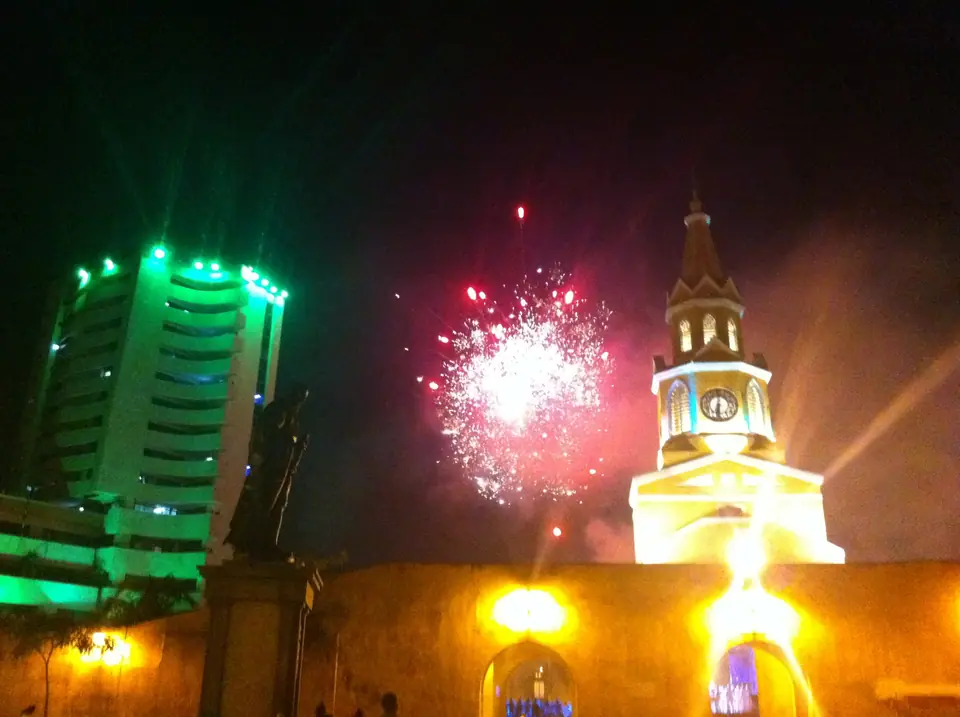
Around 11 November, Cartagena erupts into four days of parades, cumbia and champeta floats, street dances in Getsemaní, and historical commemorations during the Fiestas de Independencia del 11 de Noviembre (colloquially the Fiestas Novembrinas), honouring the 1811 declaration that made Cartagena the first free state in New Granada.
Traveller tips
Real advice from people who have been to Best Time to Visit Cartagena: Trade Winds, Rain and Festivals. Every tip is read by our team before it goes live.
No tips yet. Been here? Yours could be the first.
Thank you! Your tip will appear here after a quick review.
More in Cartagena
Continue exploring Cartagena with related neighbourhood, food, and planning guides
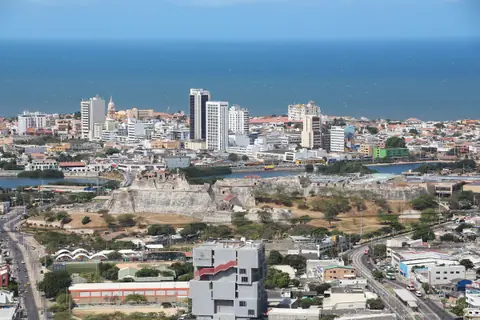
3-Day Cartagena Itinerary: Walled City, Fortresses and Islands
Cartagena, Colombia
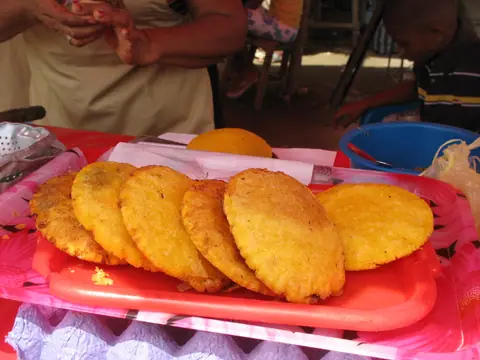
What to Eat in Cartagena: Arepa de Huevo, Coconut Rice and Seafood
Cartagena, Colombia
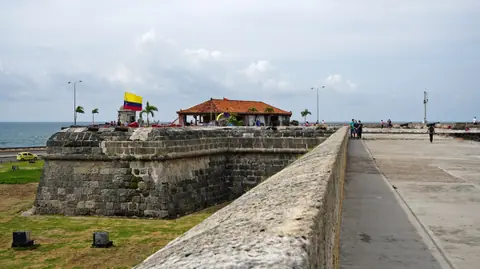
Walled City of Cartagena: Las Murallas, Clock Tower and Las Bóvedas
Cartagena, Colombia
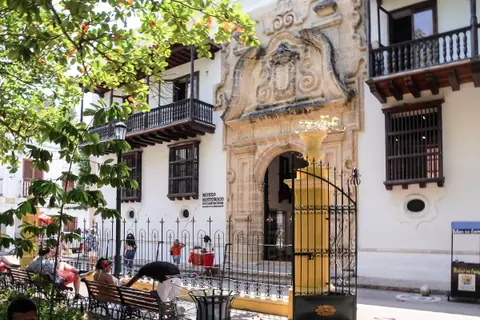
Plaza de Bolívar, Palace of the Inquisition and Cartagena Cathedral
Cartagena, Colombia
