


























What to Eat in Cartagena: Arepa de Huevo, Coconut Rice and Seafood
A culinary guide to Cartagena’s Afro-Caribbean, Indigenous Zenú, Spanish, and Levantine food traditions, covering street fritters, coastal seafood, and coconut sweets.
The kitchen of Cartagena de Indias, documented in culinary historian Teresita Román de Zurek’s landmark 1963 recipe collection Cartagena de Indias en la Olla, is a coastal fusion of four worlds. Indigenous Karib and Zenú farmers contributed maize, cassava (yuca), yam (ñame), and tropical fruits; Spanish colonists introduced slow-braised beef and pork; enslaved West Africans brought deep-frying techniques, plantains, black-eyed peas, and slow-reduced coconut milk; and late-19th-century Syrian and Lebanese immigrants added Levantine bulgur and warm spices.
Arepa de Huevo, Carimañolas and the Festival del Frito
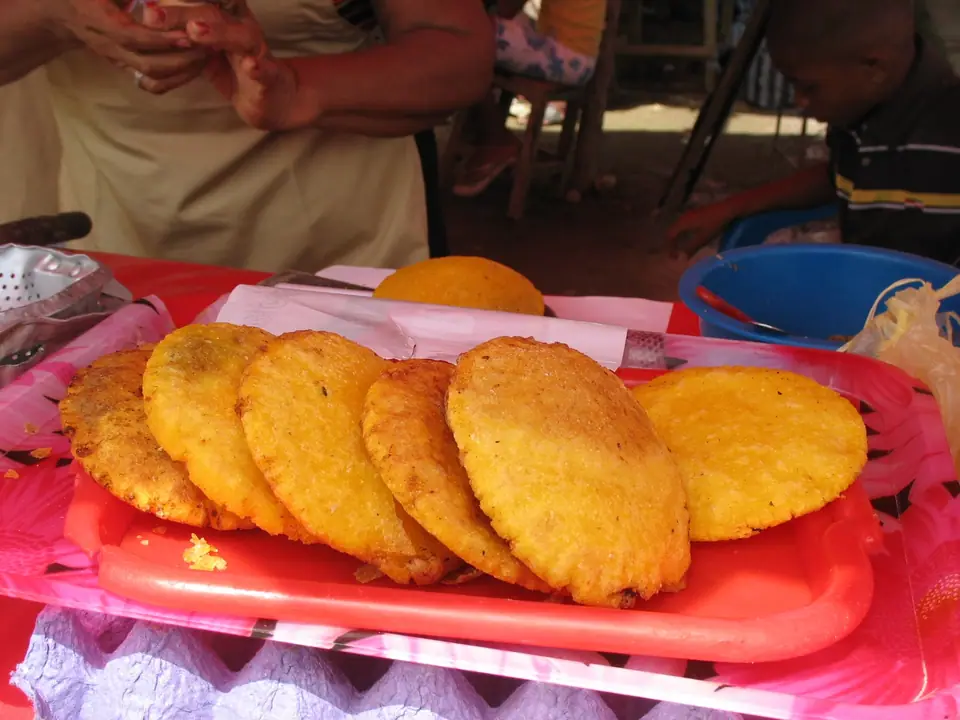
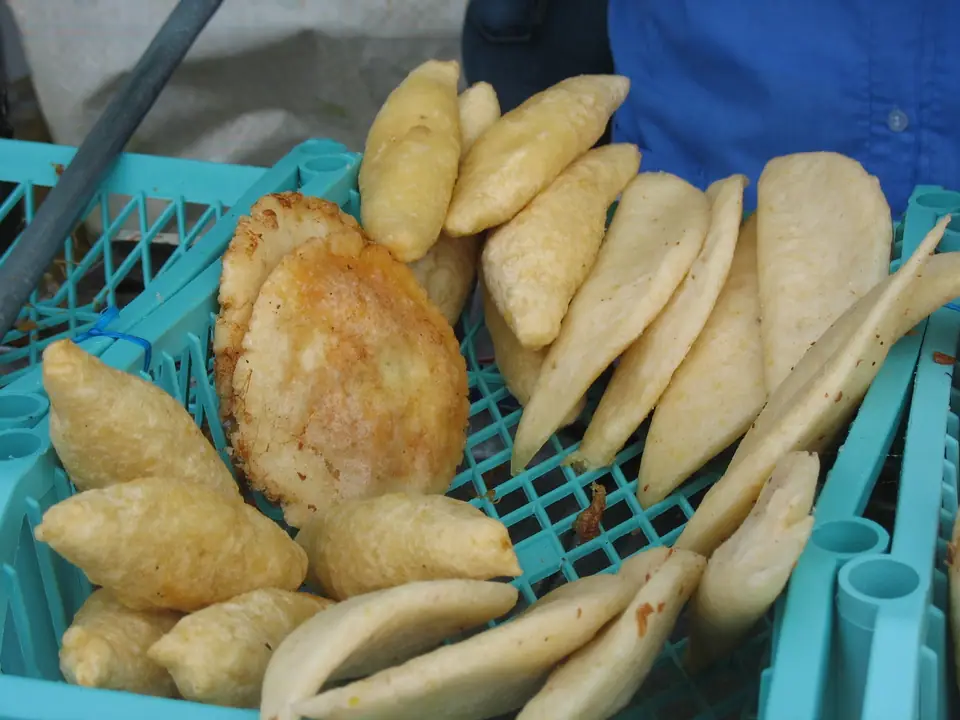
Morning and evening street food in Getsemaní and the Walled City revolves around the mesa de fritos (fried snack table), honoured every February at the citywide Festival del Frito Cartagenero. The undisputed icon is the arepa de huevo: a disc of yellow corn dough fried in hot oil until it puffs, slit open along the edge so a raw egg (and often seasoned minced beef) can be slipped inside, then sealed and fried a second time until crisp. Alongside it sit carimañolas (torpedo-shaped fritters of mashed yuca stuffed with spiced meat or salty queso costeño), buñuelitos de fríjol cabecita negra (crispy black-eyed pea fritters), and twice-fried green plantain patacones topped with sour cream (suero costeño).
Pargo Rojo Frito, Arroz con Coco and Cazuela de Mariscos
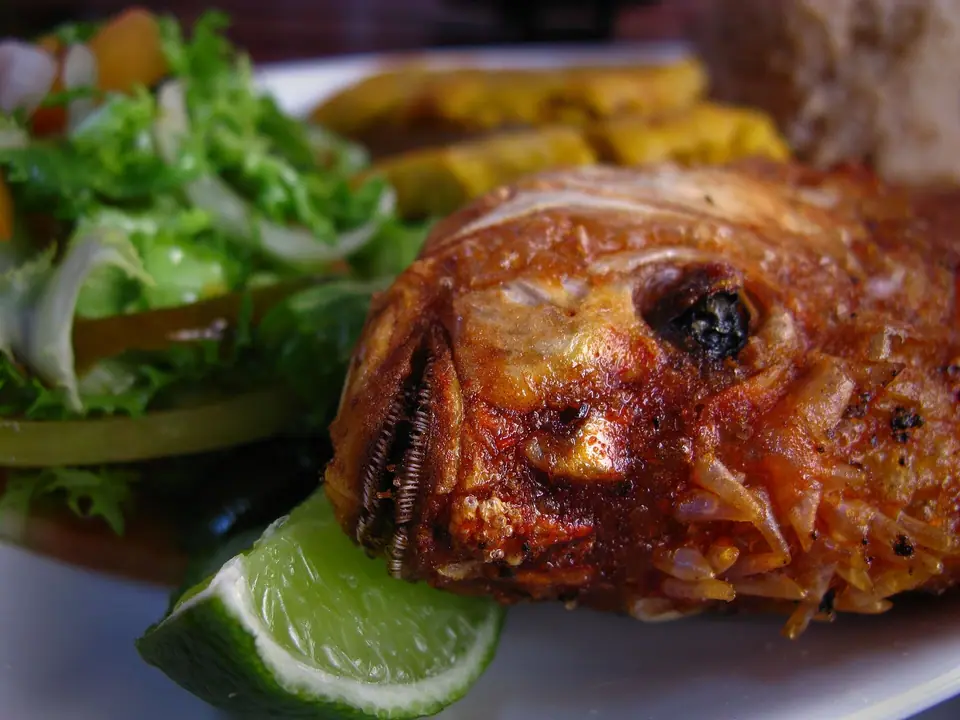
Whether you dine on Isla Barú or in a courtyard near Plaza de Santo Domingo, the classic midday meal is pargo rojo frito (whole crispy Caribbean red snapper) or mojarra served with patacones and arroz con coco. Authentic Cartagena coconut rice is cooked by reducing the first pressing of coconut milk in a heavy iron pot until the solids caramelise into dark brown pearls called titote, giving the rice a nutty, slightly sweet mahogany colour. Equally popular are rich cazuela de mariscos (coconut-milk seafood stew) and lime-cured shrimp cocteles de camarón.
Posta Negra Cartagenera, Mote de Queso and Levantine Quibbe
- Posta negra cartagenera: Beef eye-of-round seared until dark and braised slowly in a glossy reduction of panela (unrefined sugarcane), garlic, onions, cloves, and Worcestershire sauce.
- Mote de queso: A velvety soup from the Bolívar savannas made by simmering local ñame espino (thorny yam) with garlic, onion, lime juice, and cubes of salty queso costeño.
- Quibbe (Kibbeh): Brought by Syrian-Lebanese families who settled in Manga around 1900, bulgur-and-beef quibbes are served across both corner bakeries and traditional restaurants.
Portal de los Dulces, Tropical Fruits and Kola Román
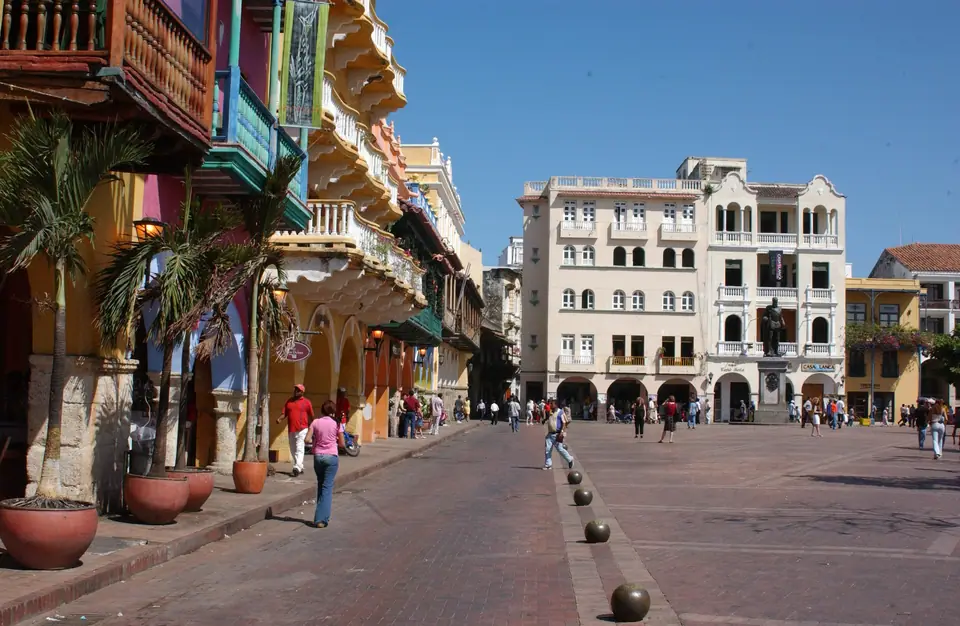
Finish at the Portal de los Dulces on Plaza de los Coches, where wooden trays display handmade cocadas (grated coconut sweets flavoured with panela, guava, or pineapple), caballitos (candied green papaya), bolas de tamarindo, and alegrías de millo (popped sorghum bound with panela syrup and anise, a speciality of San Basilio de Palenque), paired with fresh limonada de coco, tangy red jugo de corozo, or vanilla-flavoured red Kola Román (invented in Cartagena in 1865).
Traveller tips
Real advice from people who have been to What to Eat in Cartagena: Arepa de Huevo, Coconut Rice and Seafood. Every tip is read by our team before it goes live.
No tips yet. Been here? Yours could be the first.
Thank you! Your tip will appear here after a quick review.
More in Cartagena
Continue exploring Cartagena with related neighbourhood, food, and planning guides
Best Time to Visit Cartagena: Trade Winds, Rain and Festivals
Cartagena, Colombia
Where to Stay in Cartagena: Walled City, Getsemaní and Bocagrande
Cartagena, Colombia
3-Day Cartagena Itinerary: Walled City, Fortresses and Islands
Cartagena, Colombia
Walled City of Cartagena: Las Murallas, Clock Tower and Las Bóvedas
Cartagena, Colombia
