


























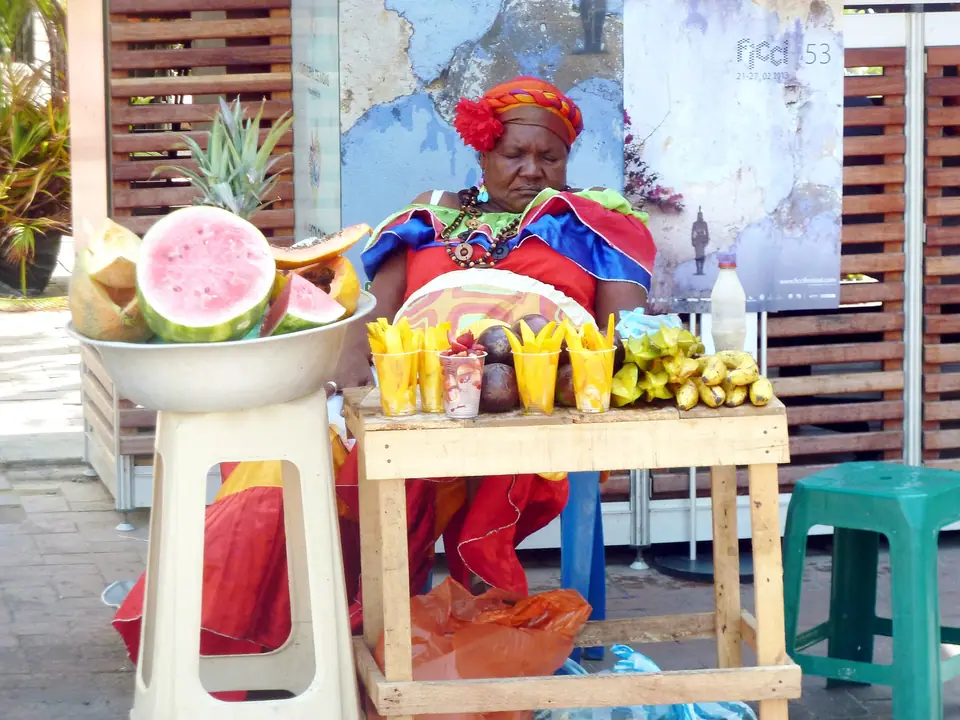
San Basilio de Palenque, Turbaco Botanical Garden and La Boquilla
Step beyond the city walls to visit San Basilio de Palenque, a UNESCO-recognised Maroon heritage town 50 km from Cartagena, alongside tropical dry forests and coastal mangroves.
While the stone ramparts of the Walled City tell the story of imperial Spain, the coastal lagoons, dry-forest hills, and rural villages surrounding Cartagena de Indias preserve the deeper ecological and Afro-Colombian roots of the Bolívar region. Within an hour’s drive of the Clock Tower, you can visit the first free African settlement in the Western Hemisphere, walk beneath centuries-old forest giants watered by natural springs, or paddle a wooden canoe through coastal mangrove tunnels.
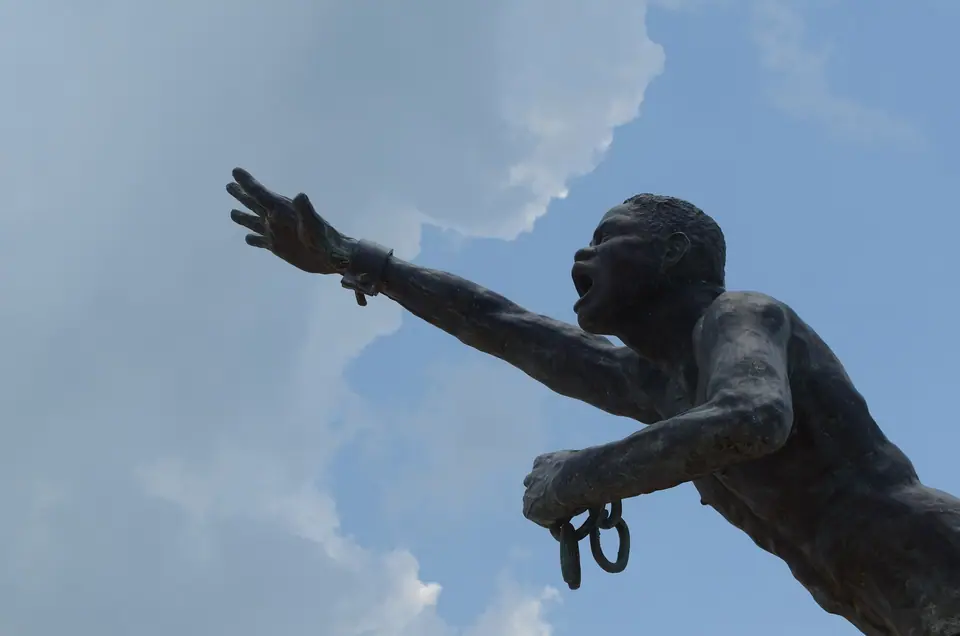
San Basilio de Palenque: The First Free African Town in the Americas
Located roughly fifty kilometres southeast of Cartagena at the foot of the Montes de María hills in the municipality of Mahates, San Basilio de Palenque was founded around 1599 to 1603 by Benkos Biohó, a West African leader who escaped captivity in Cartagena with thirty fellow Maroons (cimarrones) and built a fortified wooden-palisade stronghold (palenque) in the hinterland swamps near the Canal del Dique. After Biohó’s fighters repeatedly defeated armed Spanish expeditions sent from Cartagena to recapture them, the Spanish Crown signed a royal truce recognising the community’s freedom in 1713, more than a century and a half before the abolition of slavery across the Americas.
In 2005, UNESCO proclaimed the Cultural Space of San Basilio de Palenque a Masterpiece of the Oral and Intangible Heritage of Humanity. Visiting with a local Palenquero community guide introduces you to a living West and Central African heritage:
- The Palenquero language: The only Spanish-based creole language in the Americas with a grammatical and lexical substrate from the Bantu languages (Kikongo and Kimbundu) of the Congo and Angola basin.
- Kuagro social organisation and Lumbalú music: Residents belong from childhood to neighbourhood age-cohort solidarity groups called kuagros, and preserve ancestral pechiche and alegre drumming traditions (bullerengue sentado, son palenquero, and lumbalú funeral chants), alongside a boxing heritage championed by world titleholder Antonio “Kid Pambelé” Cervantes.
Jardín Botánico Guillermo Piñeres in Turbaco
Twenty kilometres southeast of the city in the hillside municipality of Turbaco (130 metres above sea level) lies the Jardín Botánico Guillermo Piñeres. Established in 1978 across nine hectares of protected tropical dry forest (bosque seco tropical), the garden centres on natural freshwater springs that flow year-round from the limestone hillside. Shaded trails wind past 300-year-old caracolí (Anacardium excelsum), camajorú, and indio en cuero trees, an orchidarium, and wild troops of red howler monkeys, sloths, and toucans; check the official botanical garden site for opening days.
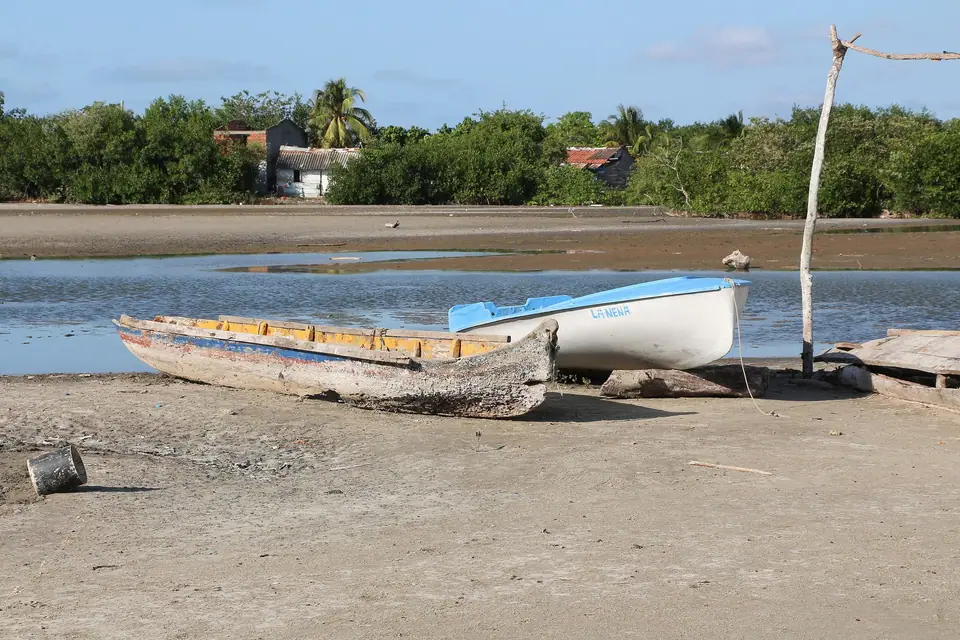
La Boquilla Mangroves and Volcán del Totumo
Immediately north of Rafael Núñez Airport along the coastal Vía al Mar (Route 90A) sits the Afro-Cartagenero fishing community of La Boquilla, set on a sandbar between the Caribbean surf and the brackish lagoon of the Ciénaga de la Virgen. Here local fishermen pole wooden canoes through natural arched tunnels of red and black mangroves where roseate spoonbills, snowy egrets, ospreys, and pelicans roost, while twenty-five kilometres further northeast rises the fifteen-metre natural mud cone of the Volcán del Totumo.
Traveller tips
Real advice from people who have been to San Basilio de Palenque, Turbaco Botanical Garden and La Boquilla. Every tip is read by our team before it goes live.
No tips yet. Been here? Yours could be the first.
Thank you! Your tip will appear here after a quick review.
More in Cartagena
Continue exploring Cartagena with related neighbourhood, food, and planning guides
What to Eat in Cartagena: Arepa de Huevo, Coconut Rice and Seafood
Cartagena, Colombia
Walled City of Cartagena: Las Murallas, Clock Tower and Las Bóvedas
Cartagena, Colombia
Plaza de Bolívar, Palace of the Inquisition and Cartagena Cathedral
Cartagena, Colombia
San Pedro Claver, Plaza de Santo Domingo and Colonial Plazas
Cartagena, Colombia
