


























Bocagrande, Castillogrande and Manga Waterfront Guide
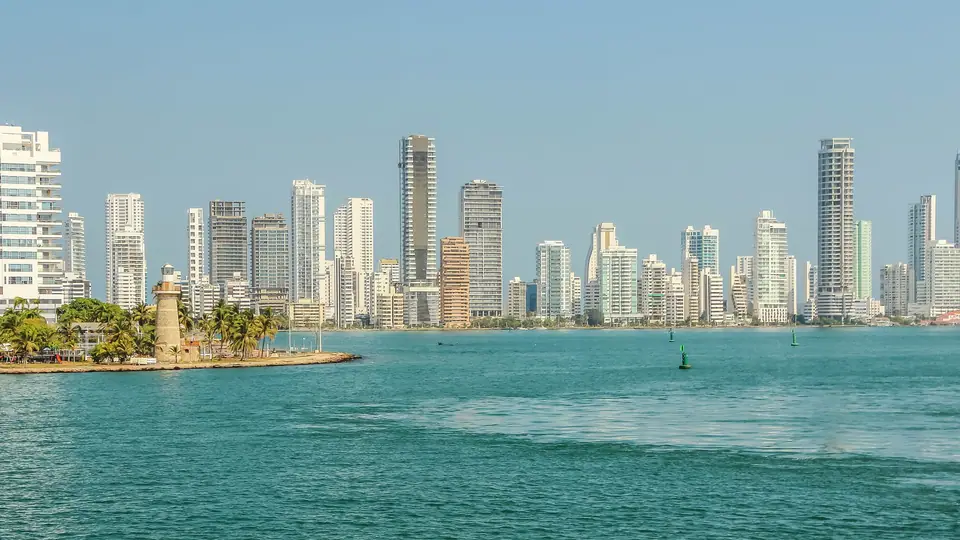
Discover the waterfront districts south of the Walled City: the beachfront high-rises and underwater colonial seawall of Bocagrande, quiet Castillogrande, and historic Manga Island.
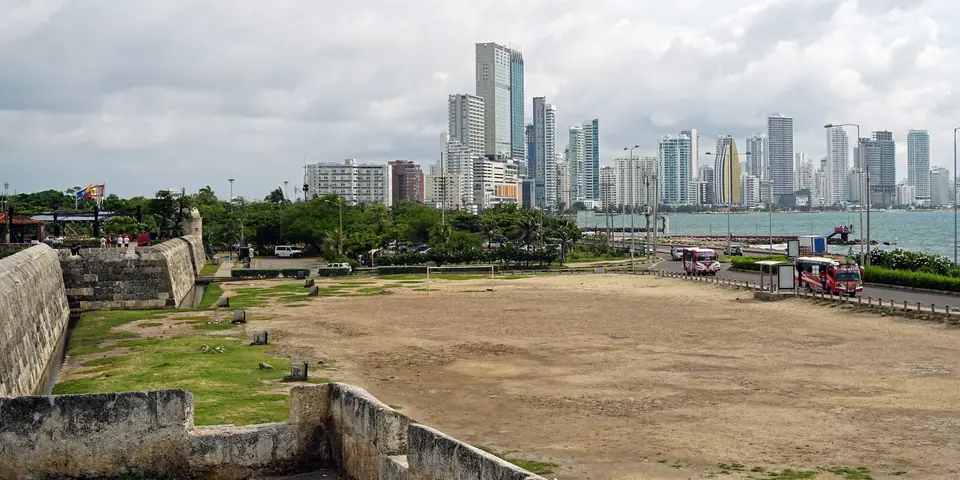
Standing on the southern bastions of the Walled City and looking across the water reveals a striking urban contrast: immediately south of the 16th-century coral ramparts rises a curving skyline of gleaming glass high-rises along the narrow peninsula of Bocagrande, El Laguito, and Castillogrande, facing the green shores and early-20th-century mansions of Isla de Manga across the inner bay.
Bocagrande and the 18th-Century Underwater Seawall
The name Bocagrande (“Big Mouth”) dates to the colonial era, when a wide, shallow sea channel separated the southern wall of Cartagena from the northern tip of Tierrabomba Island. After British warships attempted to force this northern entrance during Admiral Vernon’s 1741 siege, Spanish royal engineer Antonio de Arévalo spent the 1770s building a massive submerged stone seawall (La Escollera de Bocagrande) across the entire two-kilometre width of the channel, sitting just beneath the surface so any enemy vessel trying to cross would tear open its hull, while natural sand drift gradually built up the sandy spit you walk on today.
Extending south from the Base Naval ARC Bolívar, modern Bocagrande is anchored by Avenida San Martín (Carrera 2) and the coastal promenade of Carrera 1. Here you will find international hotels (including the 202-metre Hotel Estelar tower), the open-air sea-view terraces of the Plaza Bocagrande shopping centre, coffee shops, and wide urban beaches protected by stone groynes.
El Laguito and the Bay Promenade of Castillogrande
At the southwestern elbow of the peninsula, El Laguito wraps around a calm tidal lagoon where windsurfers and kiteboarders launch into the steady dry-season trade winds, and where boats depart on the ten-minute crossing to the beach clubs of Punta Arena on Tierrabomba Island. Turning east along the inner side of the peninsula brings you to Castillogrande, a peaceful residential neighbourhood whose palm-shaded waterfront footpath (Paseo Peatonal de Castillogrande) faces the tranquil waters of Cartagena Bay and offers one of the finest jogging and sunset-walking paths in the city.
Isla de Manga and Fuerte de San Sebastián del Pastelillo
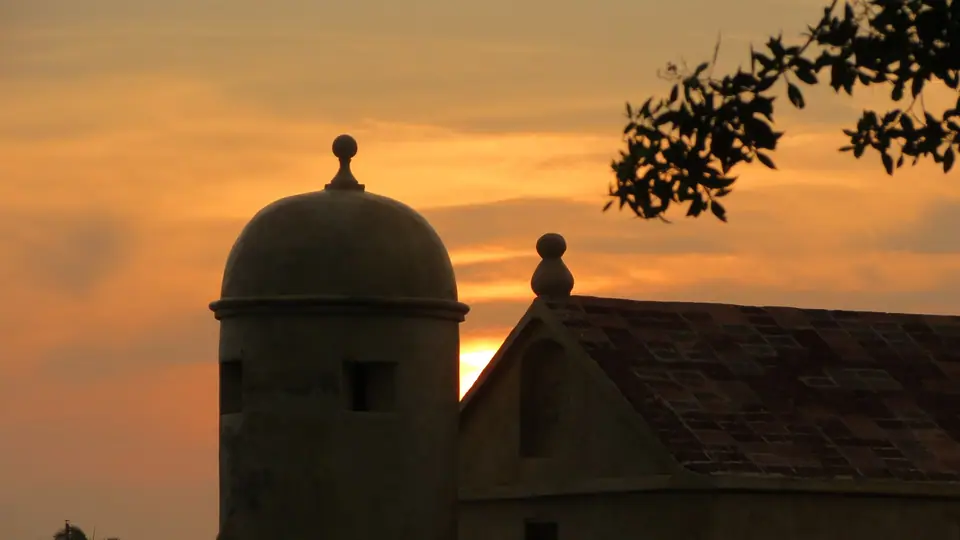
Connected directly to Getsemaní by the Puente Román, the island of Manga was developed in the first decades of the 20th century when prosperous Cartagenero families moved outside the crowded colonial walls to build airy, garden-ringed mansions in Republican, Neoclassical, and Neo-Mudéjar (Moorish-revival) styles, most famously the intricately tiled Casa Román on Calle Real.
Walking the Paseo de los Pescadores and Club de Pesca
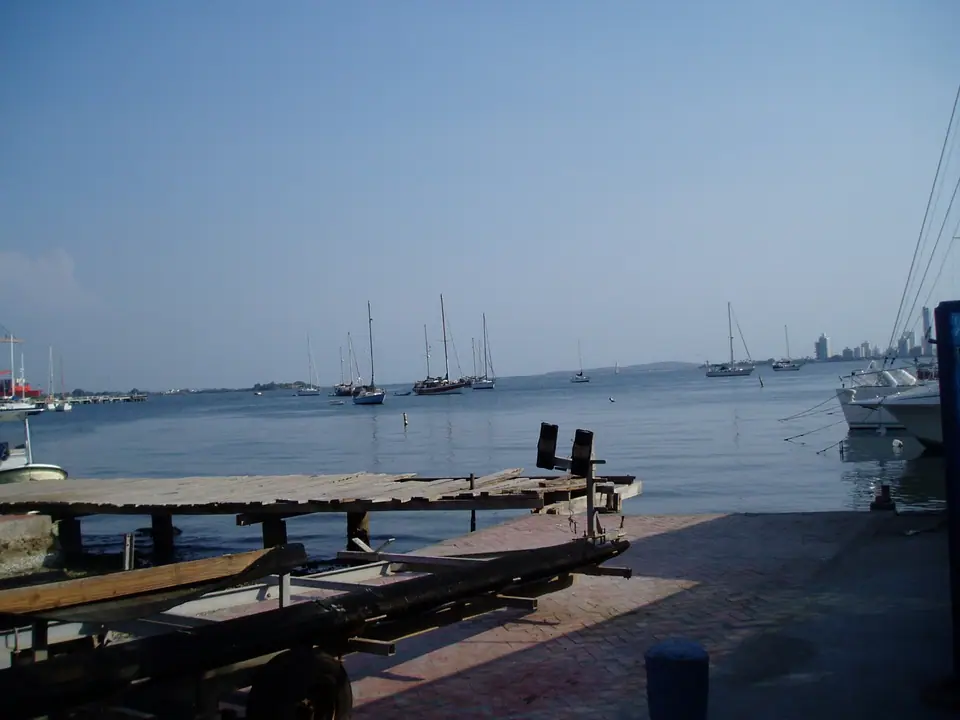
At the western tip of Manga guarding the entrance to the inner Bahía de las Ánimas stands the low, fan-shaped stone fortress of Fuerte de San Sebastián del Pastelillo. Built between 1741 and 1744 by military engineer Juan Bautista Mac-Evan under Viceroy Sebastián de Eslava on the site of the 16th-century Tower of Boquerón, the fort prevented pirate sloops from sneaking into the inner harbour and today houses the historic Club de Pesca marina and seafood restaurant, where you can dine right beside 18th-century cannons looking across the water to Centro and Bocagrande.
Traveller tips
Real advice from people who have been to Bocagrande, Castillogrande and Manga Waterfront. Every tip is read by our team before it goes live.
No tips yet. Been here? Yours could be the first.
Thank you! Your tip will appear here after a quick review.
More in Cartagena
Continue exploring Cartagena with related neighbourhood, food, and planning guides
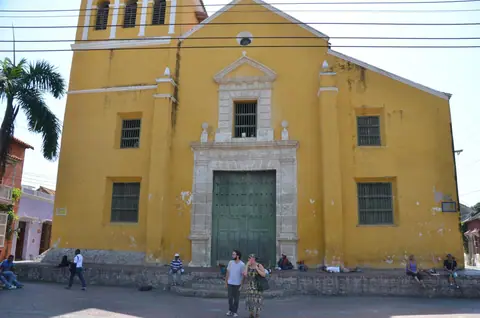
Getsemaní Cartagena Guide: Plaza de la Trinidad and Street Art
Cartagena, Colombia
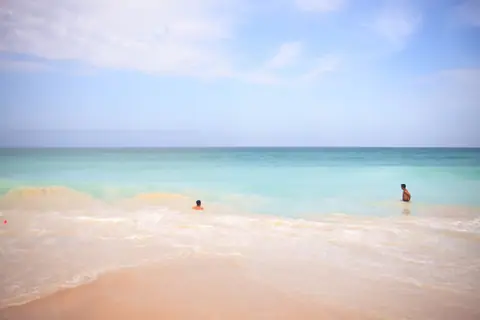
Rosario Islands and Isla Barú Guide: Coral Reefs and Playa Blanca
Cartagena, Colombia
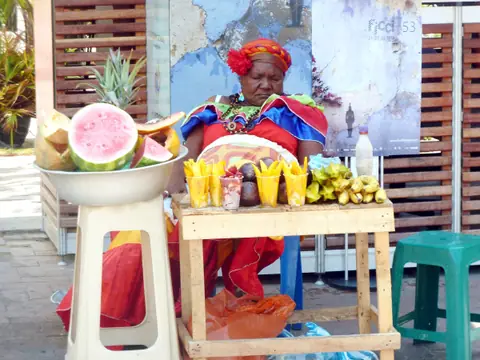
San Basilio de Palenque, Turbaco Botanical Garden and La Boquilla
Cartagena, Colombia
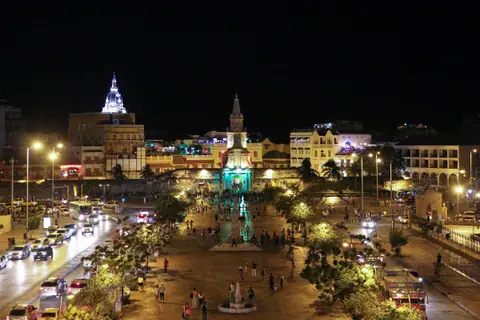
Cartagena: Essential Planning for the Caribbean Port
Cartagena, Colombia
