


























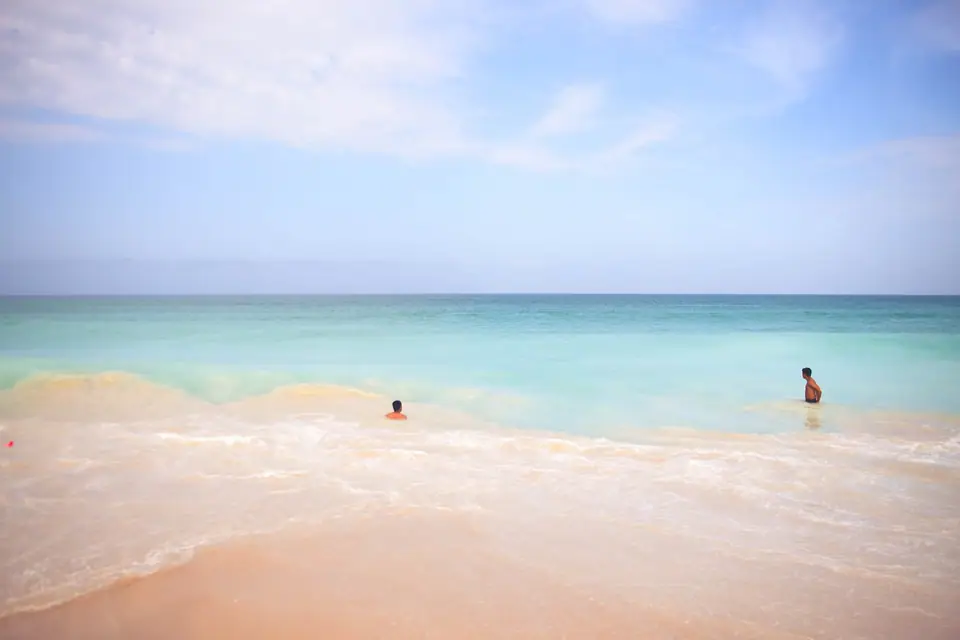
Rosario Islands and Isla Barú Guide: Coral Reefs and Playa Blanca
Everything you need to know for a day trip or overnight stay in the Corales del Rosario National Park and the white-sand beaches of the Barú Peninsula.
Because the mainland urban beaches directly adjacent to Bocagrande and Crespo consist of dark volcanic-and-alluvial grey sand washed down by coastal currents from the Magdalena River delta, travellers looking for crystalline turquoise water and white calcareous sand head thirty-five to forty-five kilometres southwest of Cartagena Bay to the Rosario Islands (Islas del Rosario) and the Peninsula of Barú.
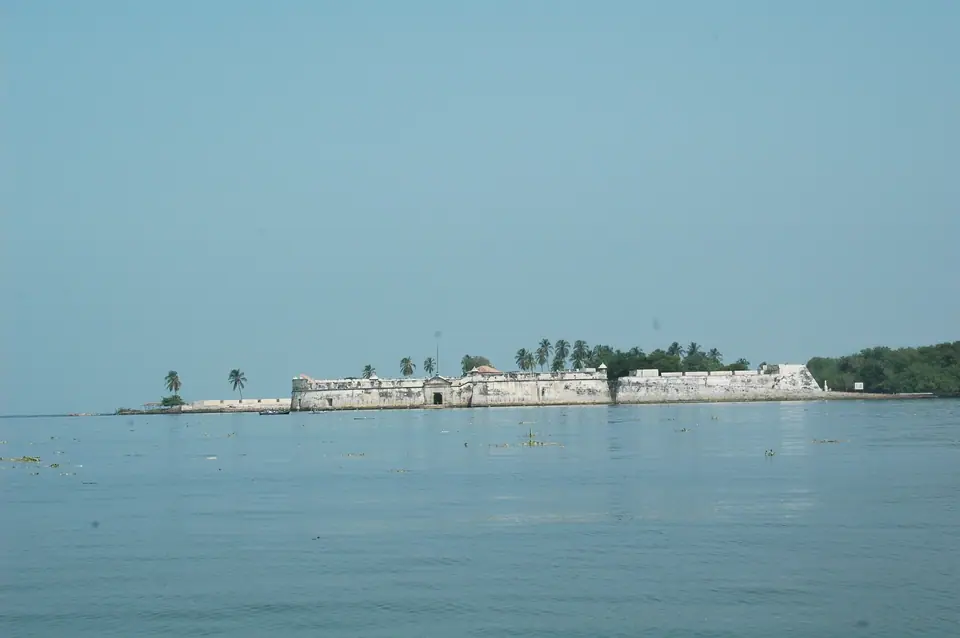
Crossing Cartagena Bay Past the Twin Forts of Bocachica
Excursion speedboats and catamarans depart between 08:00 and 09:00 from Cartagena’s Muelle Turístico de la Bodeguita, just outside the Clock Tower. The first twenty minutes carry you southward across the sheltered waters of Cartagena Bay toward the narrow southern sea channel of Bocachica on Tierrabomba Island. After British Admiral Edward Vernon’s 1741 bombardment destroyed the earlier 17th-century castle of San Luis at this entrance, Spanish military engineers Juan Bautista Mac-Evan and Antonio de Arévalo erected two fortresses on opposite sides of the channel between 1753 and 1759: the horseshoe-shaped, moat-ringed Fuerte de San Fernando de Bocachica on the Tierrabomba shore and the low water-level battery of Fuerte de San José on a coral shoal opposite.
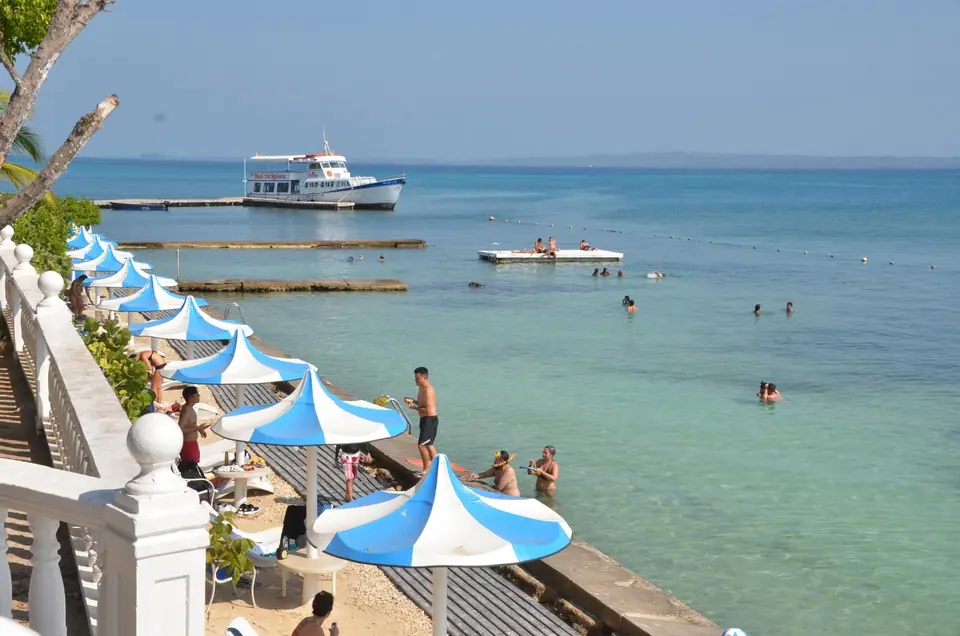
Parque Nacional Natural Corales del Rosario y de San Bernardo
Twenty minutes beyond Bocachica across the open Caribbean lies the Islas del Rosario, an archipelago of twenty-eight small coralline islands formed by fossilised coral reefs rising from the submarine shelf. Together with the southern San Bernardo archipelago, these waters have been protected since 1977 inside the 120,000-hectare Parque Nacional Natural Corales del Rosario y de San Bernardo, safeguarding the most extensive fringing coral reef, seagrass meadow, and red mangrove ecosystem on the Colombian mainland coast.
On Isla Grande, crisscrossed by shaded walking paths and mangrove lagoons where bioluminescent plankton glow on moonless nights, and surrounding islets such as Isla Majagua, Isla Pirata, and Isla San Martín de Pajarales (home to the Oceanario marine conservation centre), you can snorkel over brain corals, elkhorn corals, parrotfish, and blue tangs in calm shallow water.
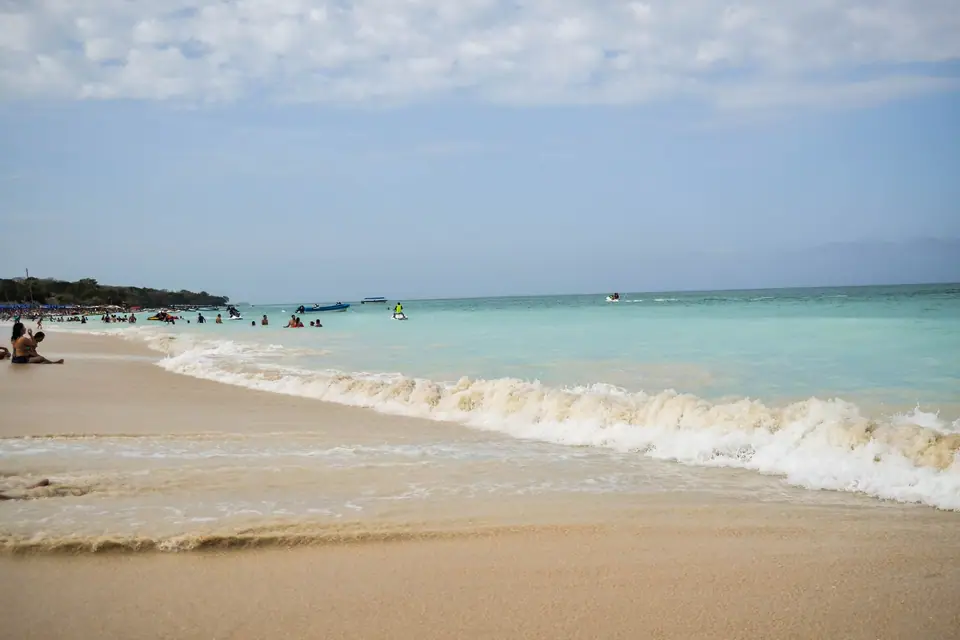
Isla Barú, Playa Blanca and the National Aviary
Directly east of the Rosario Islands stretches the Península de Barú, separated from the mainland by the 17th-century Canal del Dique and linked since 2014 by the Puente Campo Elías Terán road bridge at Pasacaballos. Home to the Afro-Colombian villages of Ararca, Santa Ana, and Barú, and famous as the site of the 1708 naval battle where the Spanish treasure galleon San José sank offshore, Barú features the three-kilometre white coral-sand crescent of Playa Blanca (Playa Tranquila at its quieter ends) and the seven-hectare Aviario Nacional de Colombia near Santa Ana de Barú, housing more than 170 Colombian bird species; check the official aviary site for visitor schedules.
Traveller tips
Real advice from people who have been to Rosario Islands and Isla Barú Guide: Coral Reefs and Playa Blanca. Every tip is read by our team before it goes live.
No tips yet. Been here? Yours could be the first.
Thank you! Your tip will appear here after a quick review.
More in Cartagena
Continue exploring Cartagena with related neighbourhood, food, and planning guides
Things to Do in Cartagena: Fortresses, Plazas and Coral Islands
Cartagena, Colombia

How to Get to Cartagena: Rafael Núñez Airport, Buses and Port
Cartagena, Colombia
Best Time to Visit Cartagena: Trade Winds, Rain and Festivals
Cartagena, Colombia
Where to Stay in Cartagena: Walled City, Getsemaní and Bocagrande
Cartagena, Colombia
