


























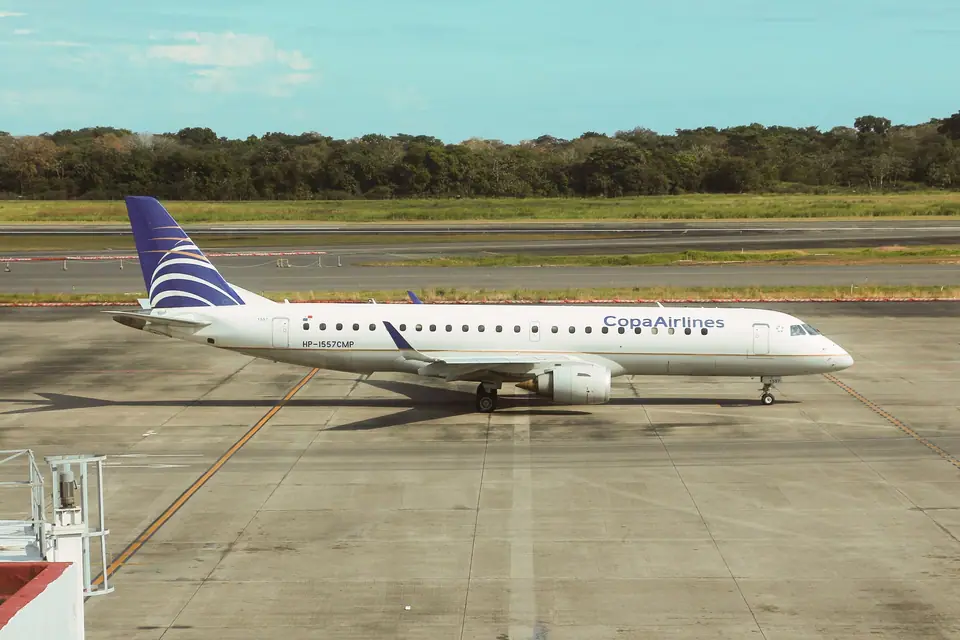
How to Get to Cartagena: Rafael Núñez Airport, Buses and Port
Practical arrival and local transport details covering Rafael Núñez International Airport in Crespo, fixed-zone yellow taxis, Transcaribe buses, and the Muelle de la Bodeguita.
Unlike many Latin American cities where the airport sits far outside the urban area, Cartagena’s air terminal lies directly inside the northern coastal neighbourhood of Crespo, barely five kilometres northeast of the colonial ramparts. Whether you fly in from Bogotá, Panama City, Miami, Madrid, or Amsterdam, or travel overland along Colombia’s Caribbean highway corridor, reaching the historic centre takes only fifteen to twenty minutes.
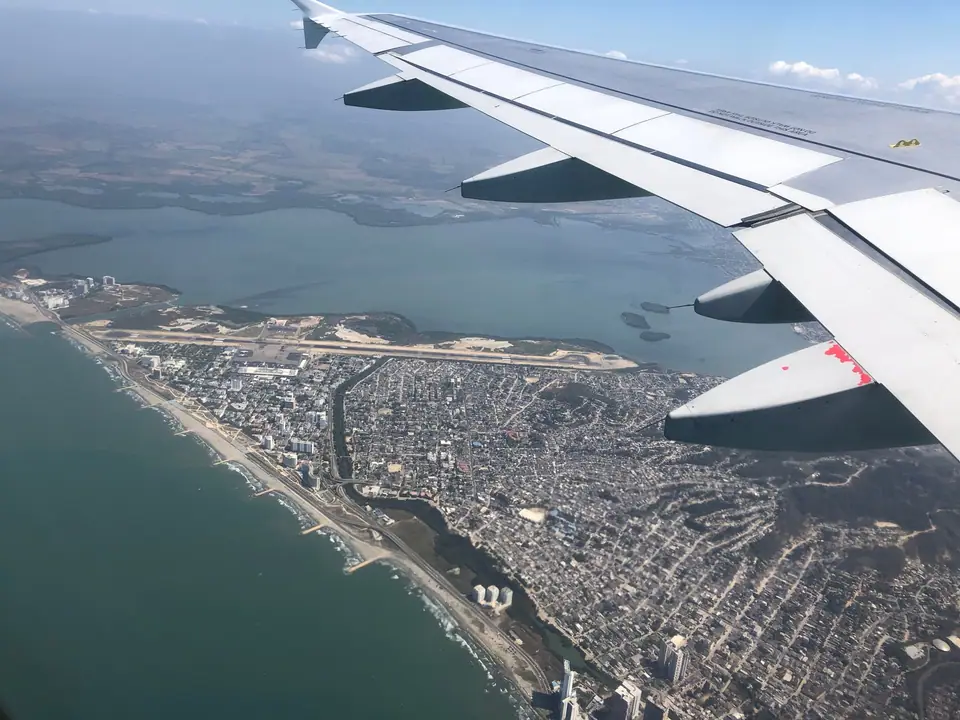
Arriving via Rafael Núñez International Airport (CTG)
Rafael Núñez International Airport (IATA: CTG, ICAO: SKCG) is the busiest air gateway on Colombia’s Caribbean coast, named after Cartagena-born statesman and four-time Colombian president Rafael Núñez (1825 to 1894). Positioned between the Caribbean shoreline and the Ciénaga de la Virgen lagoon, its 2,600-metre runway handles frequent domestic flights from Bogotá, Medellín, Cali, Pereira, and San Andrés, alongside direct international services from North America, Europe, and neighbouring Latin American hubs.
When exiting the arrivals hall, use the official computerised taxi dispatch booth (Atención al Usuario), which prints a paper voucher stating the official municipal fixed fare to your destination zone, such as Centro and San Diego, Getsemaní, or Bocagrande and Castillogrande. Because the airport is so close to the old town, the ride along Avenida Santander beside the sea takes ten to fifteen minutes to the Walled City and twenty minutes to Bocagrande.
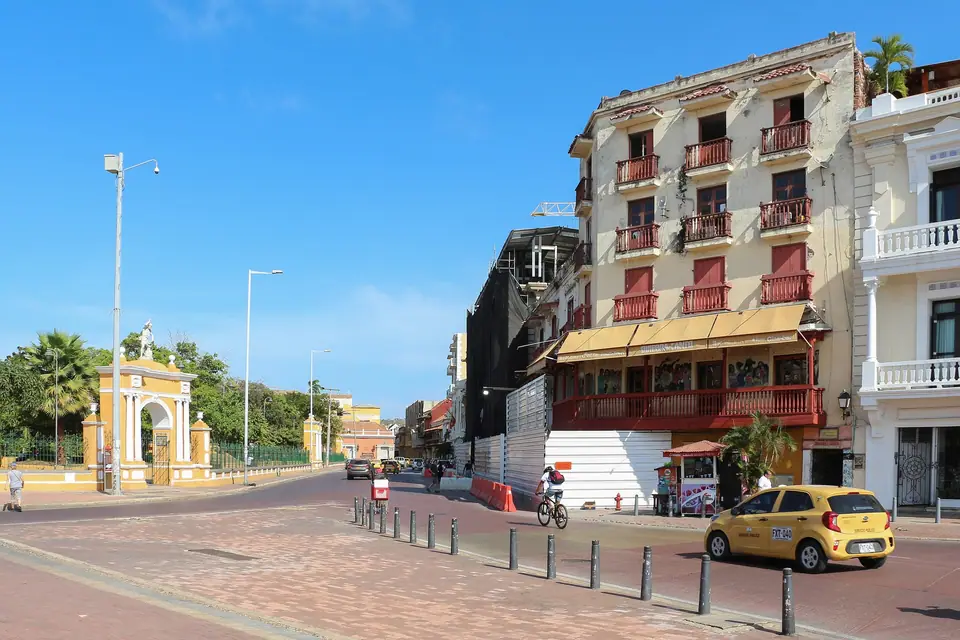
Overland Coaches and the Transcaribe BRT System
Cartagena is linked to the rest of northern Colombia by Route 90 and Route 90A (the Troncal del Caribe and scenic coastal Vía al Mar), which run northeast to Barranquilla (roughly 120 kilometres, two hours by road) and Santa Marta (four to five hours), while Route 25 climbs south through Turbaco and the Montes de María toward Medellín. Long-distance buses use the Terminal de Transporte de Cartagena on the eastern outskirts of the city; door-to-door shuttle vans operated by regional coastal carriers also run directly between hotels or northern pickup points in Cartagena, Barranquilla, and Santa Marta.
For public transit across the city, Transcaribe (inaugurated in November 2015) operates articulated buses along dedicated lanes on Avenida Pedro de Heredia using a rechargeable smartcard. Its central Centro and Bodeguita stops drop passengers directly beside the India Catalina monument and the Torre del Reloj.
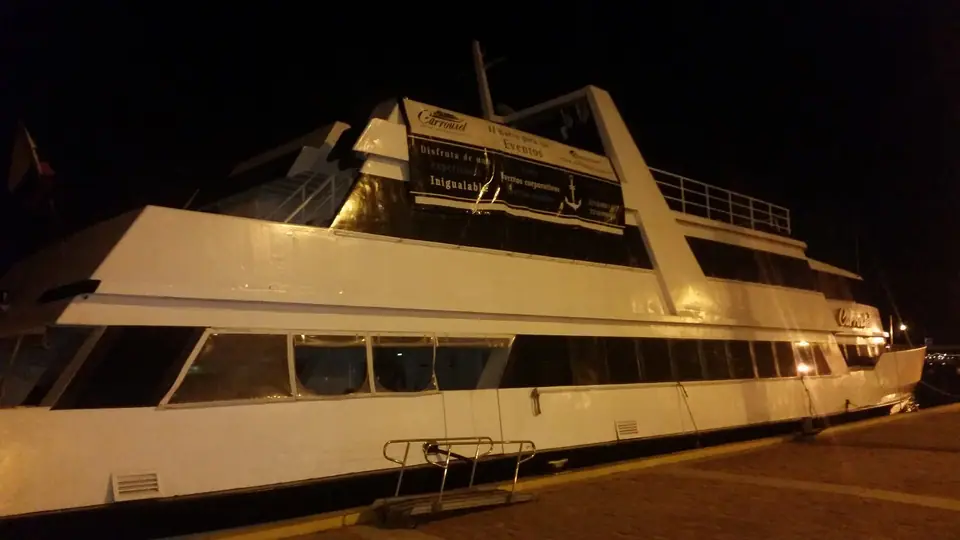
Cruise Ship Terminal in Manga and Muelle de la Bodeguita
International cruise ships berth at the Sociedad Portuaria de Cartagena cruise terminal on the residential island of Manga, roughly three kilometres south of the Clock Tower, where shaded walkways with resident macaws, sloths, and flamingos greet disembarking passengers before a short taxi ride across the Puente Román into Getsemaní and Centro. For excursions to the Rosario Islands and Isla Barú, all licensed tourist speedboats depart from the Muelle Turístico de la Bodeguita on Avenida Blas de Lezo; check the official port authority site for current passenger dock taxes.
Traveller tips
Real advice from people who have been to How to Get to Cartagena: Rafael Núñez Airport, Buses and Port. Every tip is read by our team before it goes live.
No tips yet. Been here? Yours could be the first.
Thank you! Your tip will appear here after a quick review.
More in Cartagena
Continue exploring Cartagena with related neighbourhood, food, and planning guides
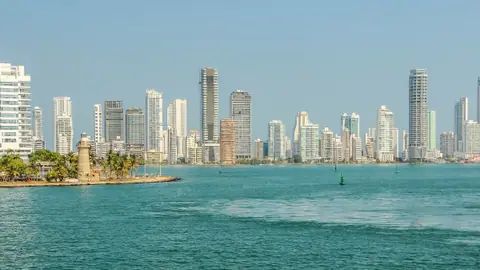
Bocagrande, Castillogrande and Manga Waterfront Guide
Cartagena, Colombia
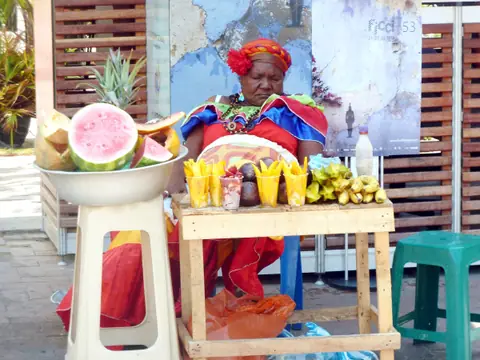
San Basilio de Palenque, Turbaco Botanical Garden and La Boquilla
Cartagena, Colombia
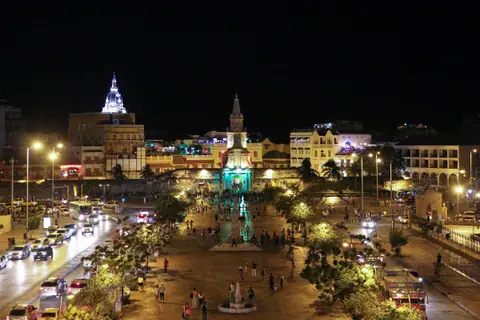
Cartagena: Essential Planning for the Caribbean Port
Cartagena, Colombia
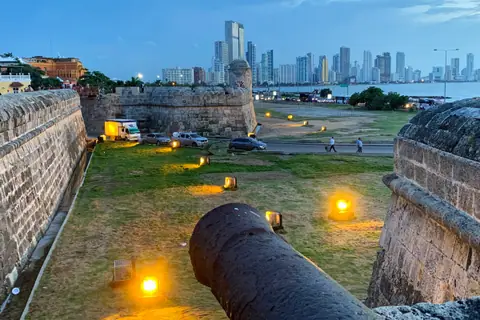
Things to Do in Cartagena: Fortresses, Plazas and Coral Islands
Cartagena, Colombia
