


























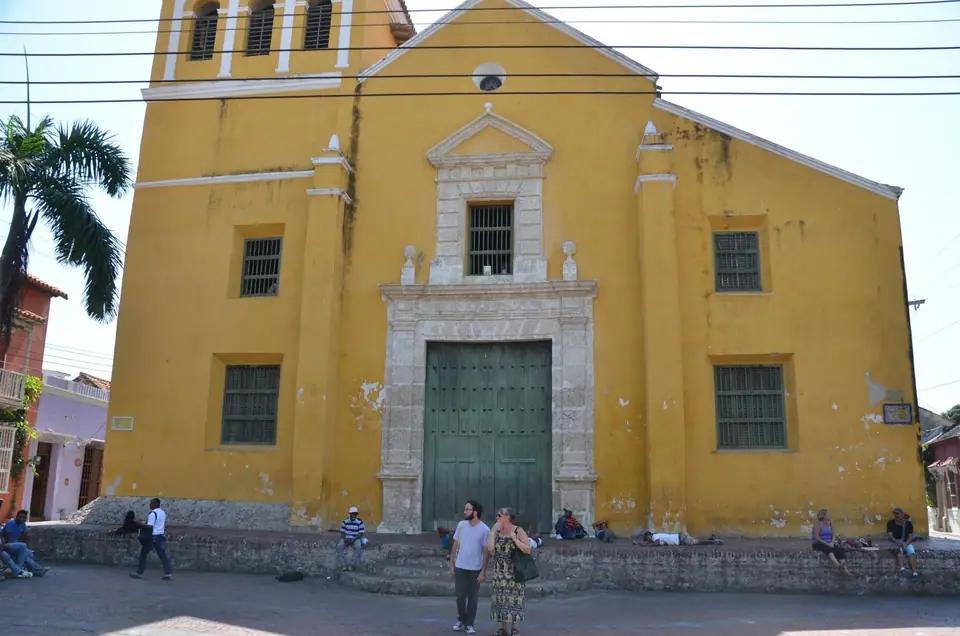
Getsemaní Cartagena Guide: Plaza de la Trinidad and Street Art
Discover the historic artisan neighbourhood of Getsemaní, where the 1811 independence uprising began and where vivid Afro-Caribbean murals, umbrella lanes, and Plaza de la Trinidad come alive.
Separated from the inner walls of Centro by the palm-lined promenade of the Camellón de los Mártires and Parque del Centenario, the neighbourhood of Getsemaní occupies a triangular island originally connected to the main gate by a drawbridge over the San Anastasio moat. In the 16th and 17th centuries, while Spanish governors and bishops lived in the grand two-storey palaces of Centro, Getsemaní grew as the popular quarter of free Afro-descendant artisans, dockworkers, shipwrights, carpenters, and blacksmiths, enclosed by its own outer stone wall and the southern bastions of San José, El Reducto, and Barahona.
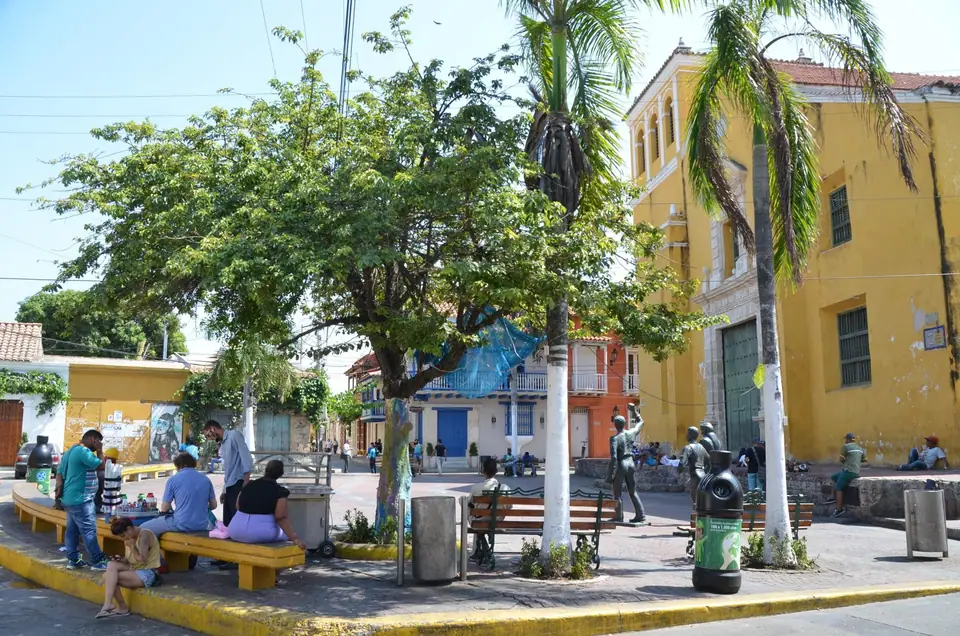
Pedro Romero, the Lanceros of 1811 and Plaza de la Trinidad
Getsemaní’s place in Colombian history was forged on the morning of 11 November 1811. Led by Pedro Romero, an Afro-Cuban master blacksmith at the royal arsenal who lived on Getsemaní’s Calle Larga, the armed neighbourhood militia known as the Lanceros de Getsemaní assembled on Plaza de la Trinidad, marched across the drawbridge through the Boca del Puente (Torre del Reloj), and surrounded the colonial governing board on Plaza de la Proclamación until the delegates signed a declaration of absolute independence from Spain.
Today, Plaza de la Trinidad remains the unmistakable heart of the neighbourhood. Fronted by the yellow colonial Iglesia de la Santísima Trinidad (completed in 1643) and bronze sculptures honouring Pedro Romero and the 1811 uprising, the square transforms around 17:30 into an open-air gathering place where lifelong residents sit on their doorsteps beside street food carts serving sizzling arepas de huevo and patacones, acoustic musicians, and champeta dancers.
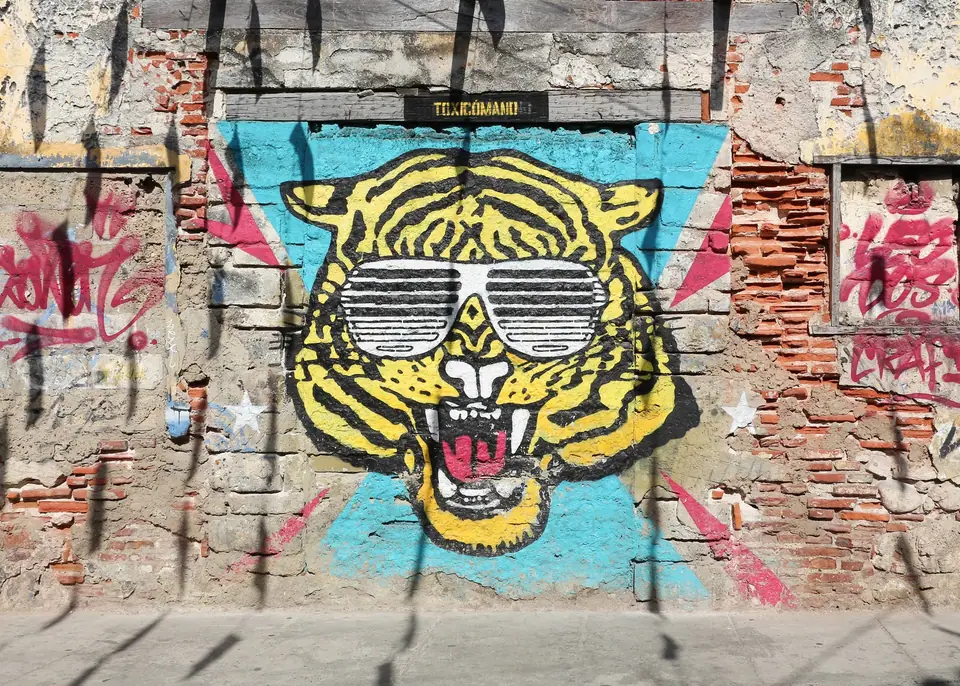
Walking Calle de la Sierpe, Calle de San Juan and Callejón Angosto
- Calle de la Sierpe (Calle 29): Lined with large-scale murals depicting palenqueras, Caribbean birdlife, cumbia drummers, and portraits of longtime neighbourhood elders.
- Calle de San Juan and Calle del Guerrero: Pastel-painted single-storey Republican and colonial cottages draped in pink bougainvillea and wooden shutters, housing independent coffee roasters, art workshops, and salsa bars.
- Callejón Angosto and Calle de la Magdalena: Narrow side alleys shaded by canopies of colourful umbrellas, hand-painted flags, and paper pennants leading toward the Plazoleta del Pozo.
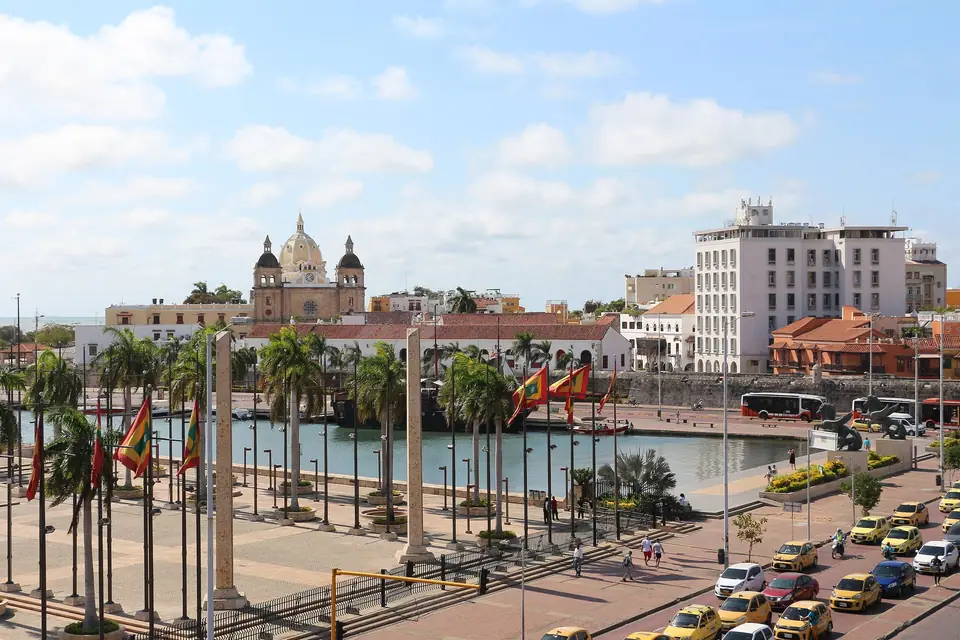
Parque del Centenario, Camellón de los Mártires and Muelle de los Pegasos
Between Getsemaní and the Clock Tower lies Parque del Centenario, inaugurated in 1911 and designed by architect Luis Felipe Jaspe Franco. Look into the branches of the park’s tall almond and fig trees to spot wild brown-throated three-toed sloths, red-tailed squirrels, common marmosets, and green iguanas, then walk along the Camellón de los Mártires to the winged horse statues at Muelle de los Pegasos overlooking the Bahía de las Ánimas.
Traveller tips
Real advice from people who have been to Getsemaní Cartagena Guide: Plaza de la Trinidad and Street Art. Every tip is read by our team before it goes live.
No tips yet. Been here? Yours could be the first.
Thank you! Your tip will appear here after a quick review.
More in Cartagena
Continue exploring Cartagena with related neighbourhood, food, and planning guides
Things to Do in Cartagena: Fortresses, Plazas and Coral Islands
Cartagena, Colombia

How to Get to Cartagena: Rafael Núñez Airport, Buses and Port
Cartagena, Colombia
Best Time to Visit Cartagena: Trade Winds, Rain and Festivals
Cartagena, Colombia
Where to Stay in Cartagena: Walled City, Getsemaní and Bocagrande
Cartagena, Colombia
