


























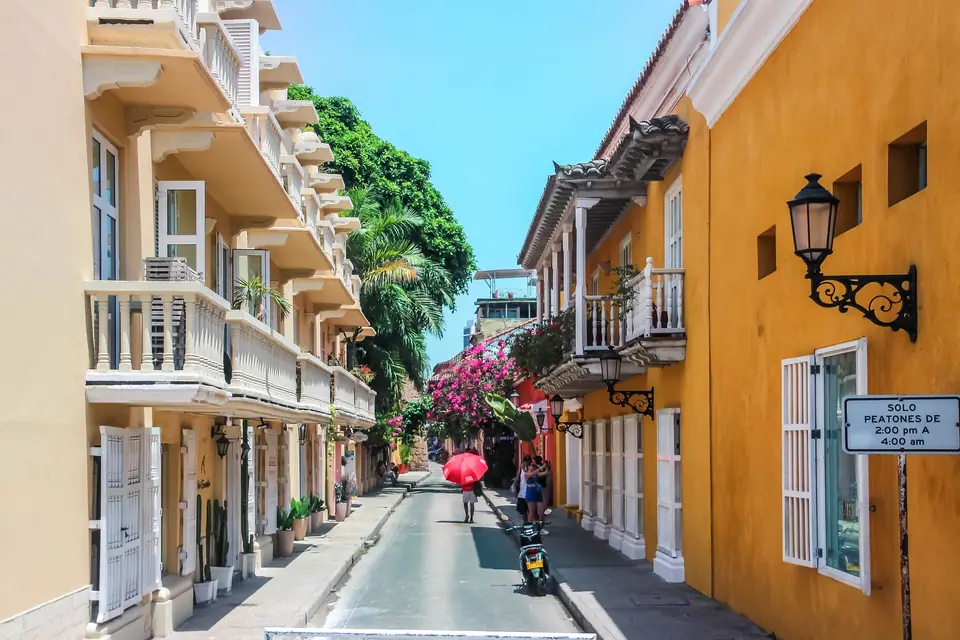
Where to Stay in Cartagena: Walled City, Getsemaní and Bocagrande
An editorial comparison of Cartagena’s top accommodation districts, helping you choose between colonial courtyard mansions inside the ramparts, mural-lined lanes in Getsemaní, and modern beachfront towers.
Choosing where to base yourself in Cartagena de Indias shapes the entire rhythm of your stay. Because the historic quarters and coastal peninsulas lie within ten to fifteen minutes of one another, you can pick between restored 17th-century courtyard houses inside the UNESCO ramparts, creative guesthouses in the artisan lanes of Getsemaní, or high-rise oceanfront resorts with direct beach access.
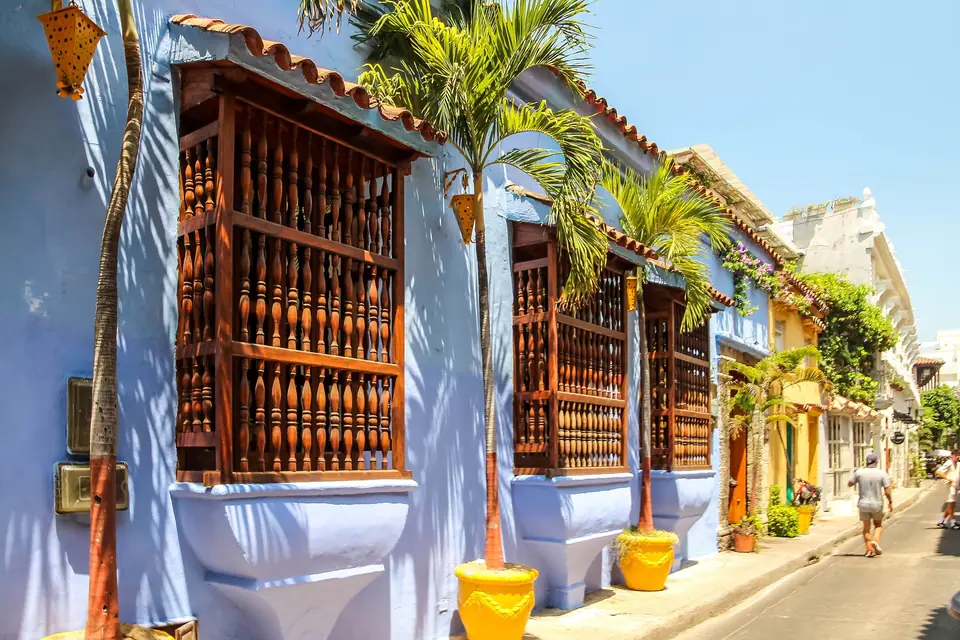
Centro (Southwestern Walled City): Grand Plazas and Colonial Mansions
If you want to step out of your door directly onto 16th-century cobblestones beside the city’s monumental landmarks, stay in Centro. Bounded by the Torre del Reloj, the Baluarte de Santo Domingo, and Plaza de Bolívar, this was the residential quarter of Spanish royal governors, wealthy maritime merchants, and noble families. Many two- and three-storey stone mansions, built with high beamed ceilings to trap cool air, arcaded interior patios planted with palms and ferns, and rooftop miradors (watchtowers once used to spot incoming merchant ships), now operate as intimate boutique hotels.
San Diego (Northeastern Walled City): Quiet Squares and Former Convents
Immediately northeast of Centro within the same perimeter wall, San Diego offers a slightly quieter, more residential atmosphere. Centred on the tree-shaded Plaza de San Diego, the neighbourhood takes its character from the former 1621 Convent of Santa Clara (immortalised in Gabriel García Márquez’s novel Of Love and Other Demons and now a luxury heritage hotel) and the adjacent Fine Arts School. Staying near Calle del Curato, Calle de los Siete Infantes, or Las Bóvedas puts you within a five-minute walk of Centro’s museums while keeping nighttime street noise lower.
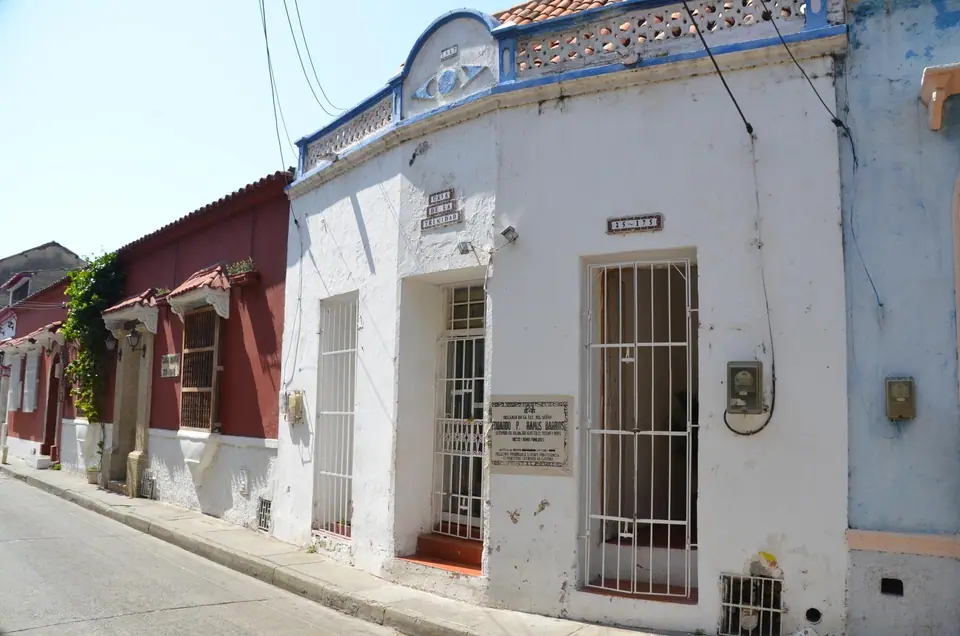
Getsemaní: Afro-Caribbean Spirit and Lively Evening Plazas
Just outside the Clock Tower across the Parque del Centenario, Getsemaní is the best choice for travellers who love neighbourhood camaraderie, street art, and live music. Streets such as Calle del Espíritu Santo, Calle de la Sierpe, and Calle del Guerrero are lined with brightly painted single-storey houses converted into boutique inns, while Calle de la Media Luna and the blocks immediately bordering Plaza de la Trinidad stay animated late into the night.
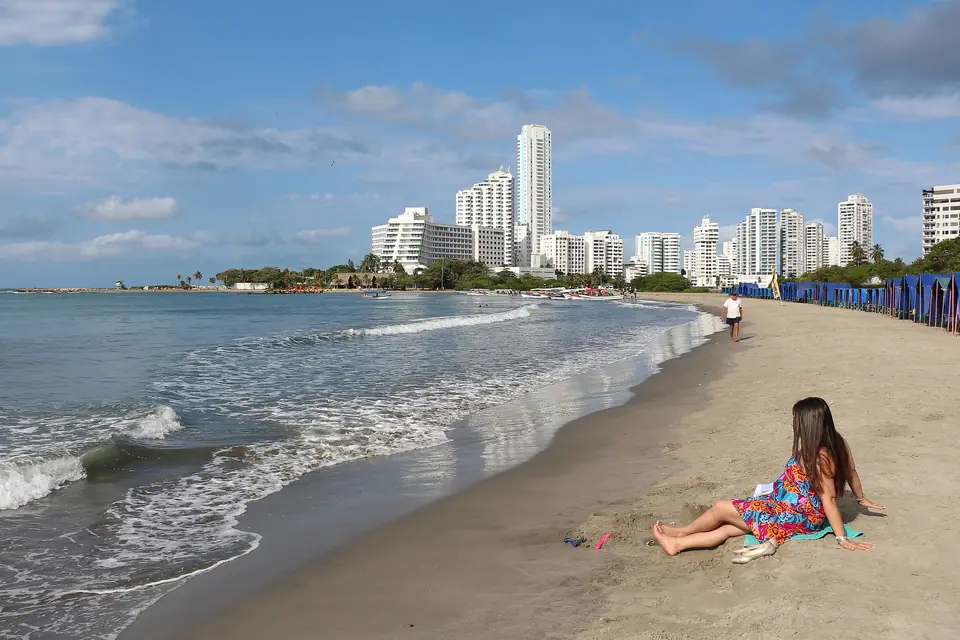
Bocagrande, Castillogrande and Manga: Modern Towers and Bay Breezes
- Bocagrande and El Laguito: Ideal for families and travellers seeking large swimming pools, full-service spas, shopping malls (such as Plaza Bocagrande), and direct access to urban Caribbean beaches along Avenida San Martín, only ten minutes by taxi from the Walled City.
- Castillogrande and Manga: Castillogrande occupies the quiet, upscale tip of the peninsula facing the calm waters of Cartagena Bay, while Manga across the bay bridge offers early-20th-century Republican villas, yacht club promenades, and easy pedestrian access to Getsemaní.
Traveller tips
Real advice from people who have been to Where to Stay in Cartagena: Walled City, Getsemaní and Bocagrande. Every tip is read by our team before it goes live.
No tips yet. Been here? Yours could be the first.
Thank you! Your tip will appear here after a quick review.
More in Cartagena
Continue exploring Cartagena with related neighbourhood, food, and planning guides
Best Time to Visit Cartagena: Trade Winds, Rain and Festivals
Cartagena, Colombia
3-Day Cartagena Itinerary: Walled City, Fortresses and Islands
Cartagena, Colombia

What to Eat in Cartagena: Arepa de Huevo, Coconut Rice and Seafood
Cartagena, Colombia
Walled City of Cartagena: Las Murallas, Clock Tower and Las Bóvedas
Cartagena, Colombia
