


























3 Days in Lucerne: Covered Bridges, Löwenplatz, Lake Steamers and Alpine Peaks
Follow our structured 3-day Lucerne itinerary pairing the medieval Old Town and Museggmauer with the Verkehrshaus, a paddle steamer cruise, and Rigi or Pilatus.
Three full days in Lucerne give you time to explore both banks of the Reuss and the Löwenplatz monuments on foot on your first day, pair a historic paddle steamer cruise and Mount Rigi with the Swiss Museum of Transport on your second day, and ascend Mount Pilatus or the Stanserhorn before an evening concert at the KKL on your third day. Because every rail line, steamer pier, and trolleybus route converges on Bahnhofplatz, you can follow this plan effortlessly from any central base in our where to stay in Lucerne guide.
Day 1 Morning: Covered Bridges, Altstadt Squares and Museggmauer
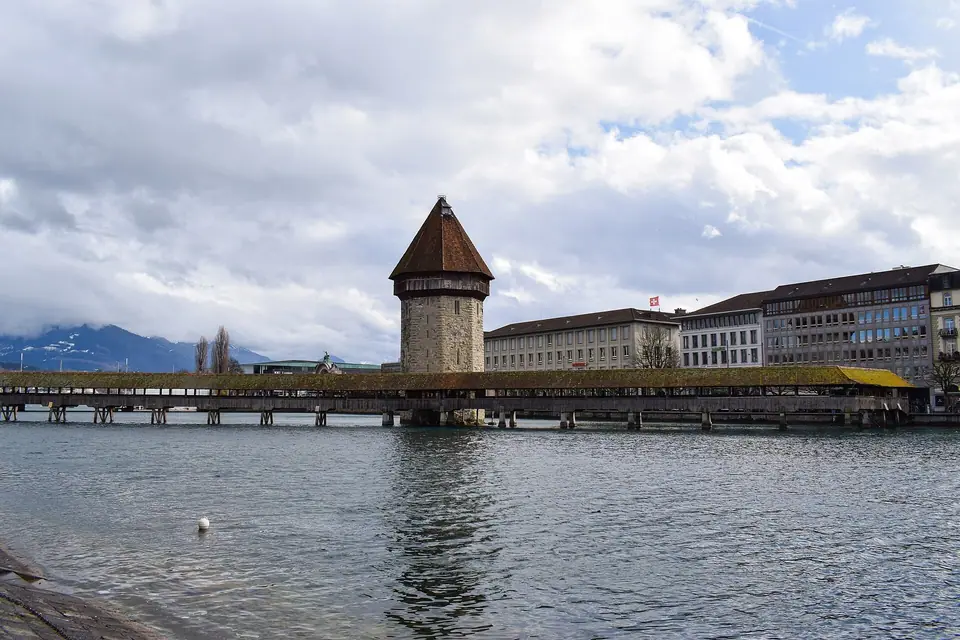
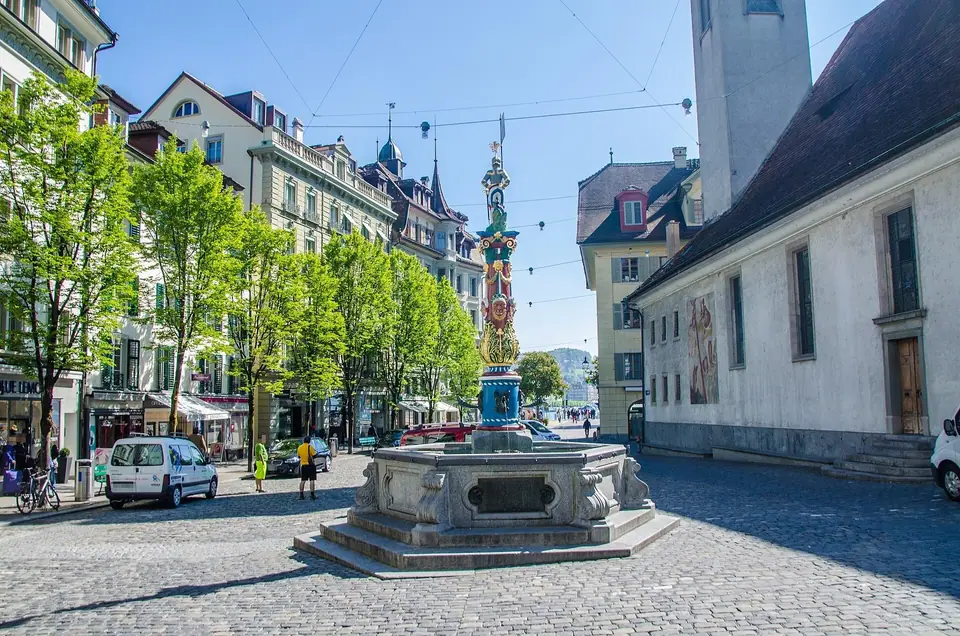
Begin outside Bahnhof Luzern by viewing the 1896 station portal arch topped by Richard Kissling's Zeitgeist sculpture and walking across the 204.70-metre Kapellbrücke past the 34-metre octagonal Wasserturm and its seventeenth-century triangular roof paintings to Kapellplatz and the 1581 Fritschibrunnen. If your visit falls on a Tuesday or Saturday morning, browse the riverside farmers' market stalls beneath the Rathausquai arcades before stepping into the Altstadt.
Weave through the four frescoed pedestrian squares of Kapellplatz, Hirschenplatz, Kornmarkt (home to Anton Isenmann's 1602 to 1606 Renaissance Rathaus, the Rathausturm, and the painted Zunfthaus zu Pfistern), and Weinmarkt with its Gothic fountain of Saint Maurice. From Weinmarkt, climb the stepped lanes to the 870-metre Museggmauer rampart (open spring to autumn) to inspect Hans Luter's 1535 turret clock inside the Zytturm, which strikes the hour one minute before every other public clock in the city, and walk the battlements between the Männliturm, Zytturm, and Schirmerturm for rooftop views toward Lake Lucerne and Mount Pilatus.
Day 1 Afternoon: Spreuerbrücke, Jesuitenkirche and Löwenplatz
Descend from the western end of the Musegg hill to Mühlenplatz to cross the 81-metre 1408 Spreuerbrücke with Kaspar Meglinger's 45 surviving Dance of Death panels (painted 1626 to 1632) and inspect the hand-operated 1859 to 1860 wooden Nadelwehr needle dam regulating the Reuss. On the left bank, visit the Gothic-and-Renaissance Franziskanerkirche and step inside the 1666 to 1677 Baroque Jesuitenkirche St. Franz Xaver to admire its Wessobrunn stucco and mid-eighteenth-century Torricelli ceiling frescoes.
Recross the Reuss and walk ten minutes north-east to Löwenplatz. Spend two hours exploring the three neighbouring Category A monuments: Bertel Thorvaldsen's 1821 Lion Monument carved into the sandstone cliff above its reflecting pond, the 20,000-year-old glacial potholes, 1762 to 1786 Pfyffer landscape relief, 1896 Alhambra mirror maze, and 2022 subterranean Felsenwelt at the Glacier Garden, and Edouard Castres's 112-metre circular Bourbaki Panorama of 1881 inside its sixteen-sided rotunda. Finish your opening evening at a traditional Old Town guild restaurant with a steaming puff-pastry shell of Luzerner Chügelipastete and a local Eichhof lager.
Day 2 Morning: Paddle Steamer to Vitznau and Mount Rigi
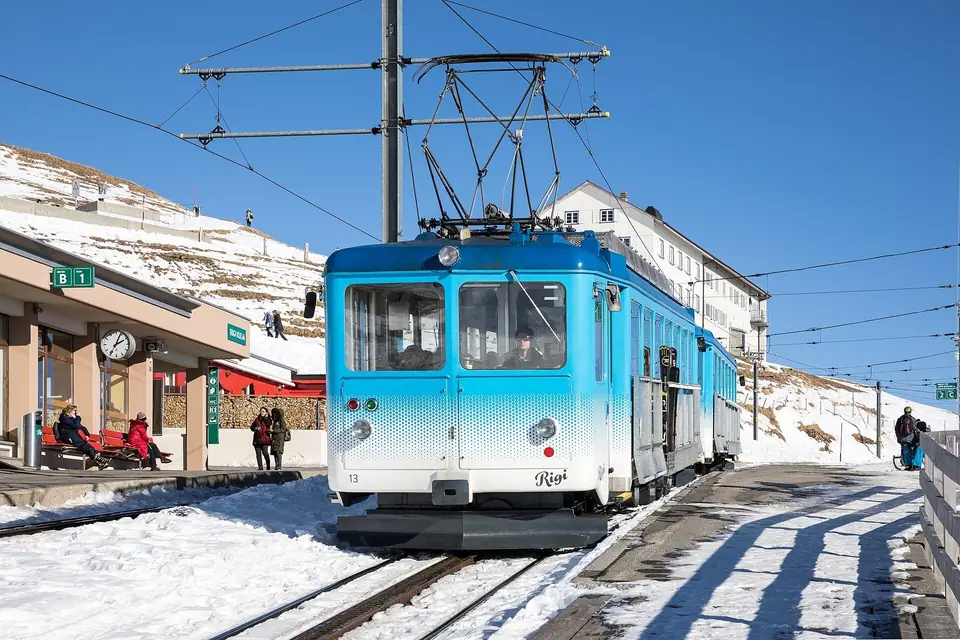
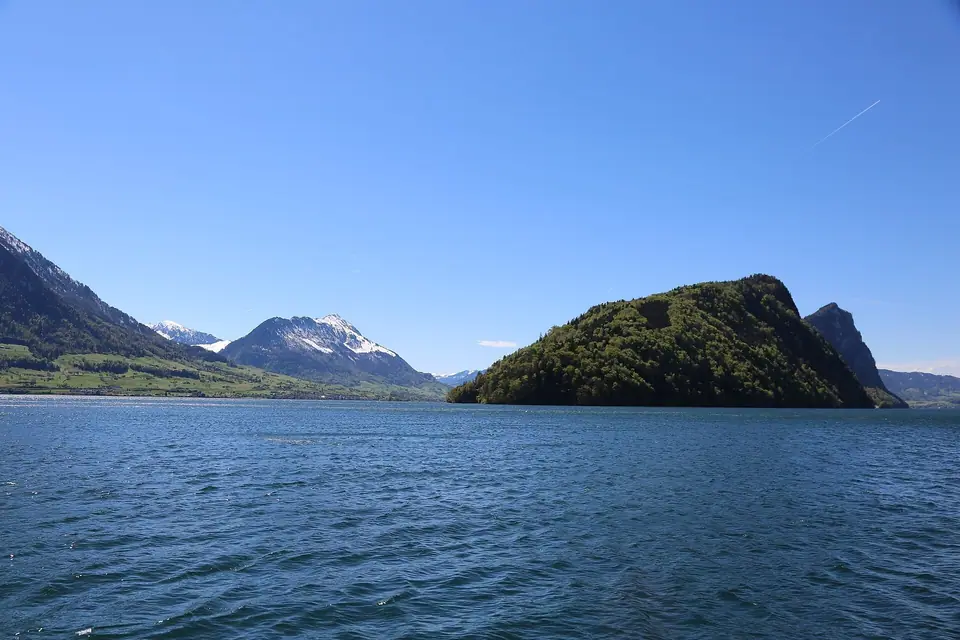
Board a morning SGV paddle steamer (such as the DS Stadt Luzern, DS Uri, or DS Schiller) at Bahnhofquai for a one-hour cruise across the Lucerne Bay and the Cross Funnel to Vitznau. Cross the quay directly onto Niklaus Riggenbach's 1871 standard-gauge cogwheel railway, the first mountain rack railway in Europe, and climb through forests and alpine meadows to the 1,797.5-metre summit of Rigi Kulm for a wide panorama over the lakes and the Bernese, Uri, and Glarus Alps.
After taking in the summit view, walk the easy, well-graded panoramic footpath downhill via Rigi Staffel to the car-free village of Rigi Kaltbad (1,433 metres), where you can pause for lunch or soak in Mario Botta's Mineralbad & Spa before descending either on the 1968 aerial cableway to Weggis or on the cogwheel train back to Vitznau to board an early-afternoon boat heading back toward Lucerne.
Day 2 Afternoon: Swiss Museum of Transport and the Hofkirche
Disembark from your returning steamer at the Verkehrshaus-Lido landing stage to spend the afternoon at the 22,500-square-metre Swiss Museum of Transport (opened 1 July 1959). Explore the Rail Hall with its historic mountain locomotives and 32-metre Gotthard railway model, step aboard the 1848 steamer Rigi in the courtyard, visit the Aviation Hall and Gigon/Guyer Road Hall, and view the Hans Erni Museum or a dome projection in the Planetarium. Afterward, stroll back toward the centre along the chestnut-shaded lakeside promenade of Haldenstrasse and Nationalquai, climbing the stone steps to the 1633 to 1639 Late Renaissance Hofkirche St. Leodegar with its twin 69-metre medieval towers and Italianate burial arcades.
Day 3 Morning: Mount Pilatus Golden Round Trip or the Stanserhorn
Between May and November, dedicate your third morning to the classic Mount Pilatus Golden Round Trip: sail by SGV boat or ride the Zentralbahn train to Alpnachstad (440 metres) to board Eduard Locher's 1889 Pilatus Railway, climbing 1,629 vertical metres at up to a 48% gradient across the MattAlp rock face to Pilatus Kulm (2,070 metres) beneath the 2,128.5-metre Tomlishorn peak. Walk the cliffside Dragon Path and climb the steps to the Esel viewpoint before descending on the northern side via the aerial cableway and Panorama Gondola through Fräkmüntegg to Kriens, where VBL trolleybus line 1 returns you to Bahnhofplatz. (If you visit between April and November and prefer an open-air cableway, or if you have already visited Pilatus, take the twenty-minute Zentralbahn train to Stans to ride the 1893 wooden funicular and the open-top double-decker Garaventa CabriO cableway up the 1,898-metre Stanserhorn.)
Day 3 Afternoon: Tribschen Peninsula and Left-Bank Stroll
Spend a relaxed afternoon exploring the quieter southern shore of the lake bay: walk or catch a local bus past the KKL to the Tribschen peninsula, where Richard Wagner lived and composed in a lakeside manor overlooking the bay, then return via the Hirschmatt-Neustadt neighbourhood and pick up spiced Luzerner Birnenweggen and chocolate raindrops at an Old Town bakery.
Day 3 Evening: Kunstmuseum Luzern and Concert at the KKL
Conclude your stay at Jean Nouvel's KKL on Europaplatz: visit the upper-level Museum of Art Lucerne (Kunstmuseum Luzern) in the late afternoon, dine on pan-fried lake whitefish on a waterside terrace, and attend an evening symphony or chamber concert inside Russell Johnson's 19,000-cubic-metre shoebox concert hall beneath Nouvel's cantilevered roof. Check our best time to visit Lucerne guide to match your concert evening with the summer Lucerne Festival or year-round symphony programmes, and linger along the illuminated Seebrücke after the performance to watch the floodlit Kapellbrücke and Wasserturm reflected in the dark water of the Reuss.
Traveller tips
Real advice from people who have been to 3 Days in Lucerne: Covered Bridges, Löwenplatz, Lake Steamers and Alpine Peaks. Every tip is read by our team before it goes live.
No tips yet. Been here? Yours could be the first.
Thank you! Your tip will appear here after a quick review.
More in Lucerne
Continue exploring Lucerne with related neighbourhood, food, and planning guides
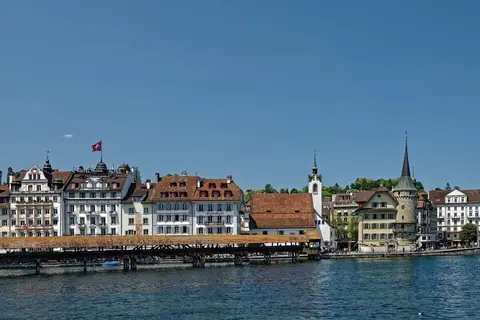
Lucerne: Reuss Bridges, Lake Bay and Alpine Gateways
Lucerne, Switzerland
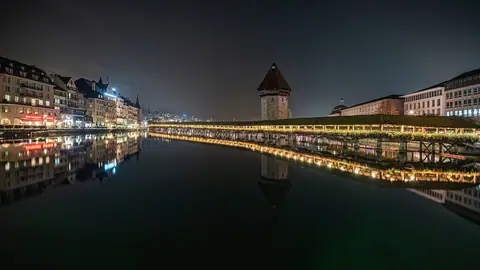
Things to Do in Lucerne: Medieval Bridges, Lake Steamers and Museums
Lucerne, Switzerland
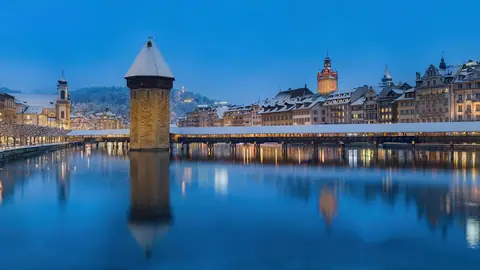
Kapellbrücke, Water Tower and Spreuerbrücke: Lucerne's Covered Bridges
Lucerne, Switzerland
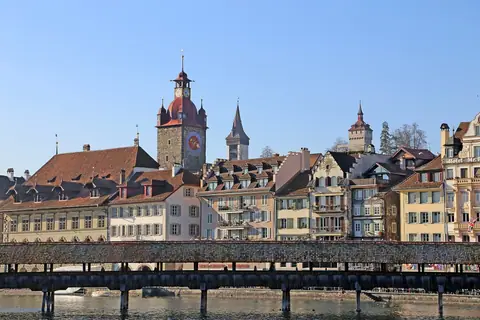
Lucerne Altstadt, Weinmarkt, Kornmarkt and the Jesuit Church
Lucerne, Switzerland
