


























What to Eat in Lucerne: Chügelipastete, Birnenweggen and Lake Fish
Taste Lucerne's signature puff-pastry Chügelipastete (Fritschipastete), dried-pear Birnenweggen, Central Swiss Älplermagronen, and fresh whitefish from Lake Lucerne.
Rooted in the dairy farms of the Alpine foothills, the fisheries of Lake Lucerne, and the centuries-old guild kitchens of the Altstadt, Lucerne's culinary repertoire centres on rich puff-pastry pies, spiced baking, and hearty mountain comfort dishes. Sitting down in a frescoed riverside guild house such as the Zunfthaus zu Pfistern on Kornmarkt near the Kapellbrücke or browsing the riverside farmers' market along both banks of the Reuss introduces you to specialities that have defined Central Swiss tables for generations.
Because Lucerne historically controlled the northern approach to the Gotthard Pass, its kitchens combined high-alpine butter, cream, and aged hard cheeses from the forest cantons with exotic dried spices, rice, raisins, and wines carried north by pack-mule trains from Italy. That historical crossroads flavour is still unmistakable in both its savoury meat pies and its spiced pear pastries.
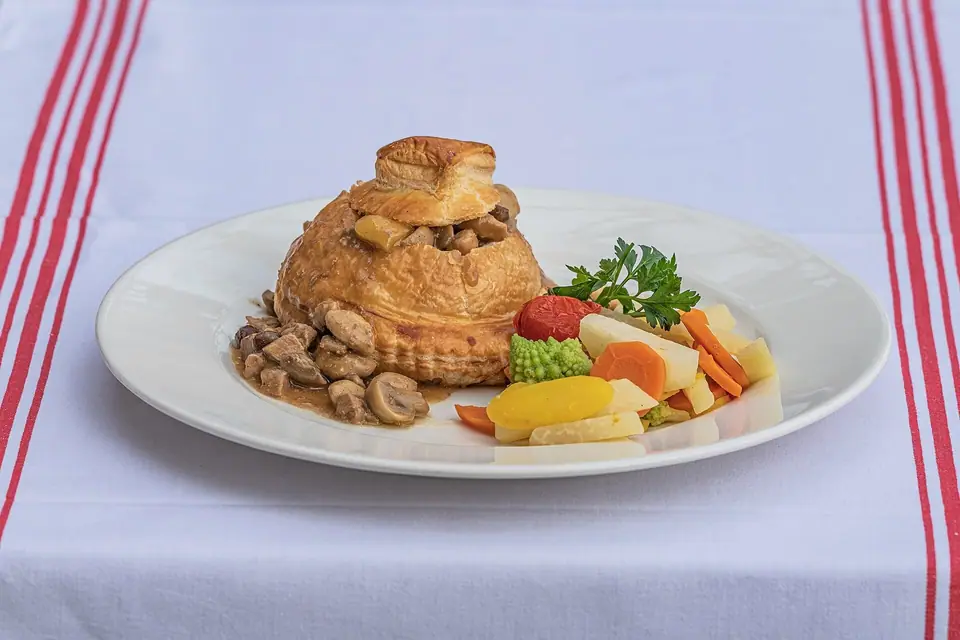
Luzerner Chügelipastete (Fritschipastete)
The undisputed signature dish of the city and canton is Luzerner Chügelipastete, called Lozärner Chögalipastete in the local dialect and also known during Luzerner Fasnacht season as Fritschipastete after Brother Fritschi of the circa-1400 Zunft zu Safran. Documented in culinary sources since the eighteenth century, the dish takes its name from Chügeli ("little spheres"), referring to the spherical shape of its main ingredients. For the classic preparation, cooks prepare a fricassee of diced veal and button mushrooms (champignons) while shaping finely ground veal and pork sausage meat (Brät) into small meatballs poached in stock (in Central Switzerland these pre-shaped meatballs are sold directly in butcher shops as Chügeli).
Before serving, the veal-and-mushroom fricassee and poached meatballs are combined with diced sweetbreads or bacon and cognac- or white-wine-marinated raisins in a rich white cream sauce, heated through, and ladled into a crisp, lidded puff-pastry vol-au-vent shell (Pastetli, Pastetenhaus, or Königin-Pastete) served alongside peas, diced carrots, rice, buttered noodles, or chips. While modest weekday portions use individual palm-sized pastry shells, festive guild banquets often present a large multi-serving puff-pastry dome carved at the table.
Älplermagronen, Pan-Fried Rösti and Central Swiss Cheeses
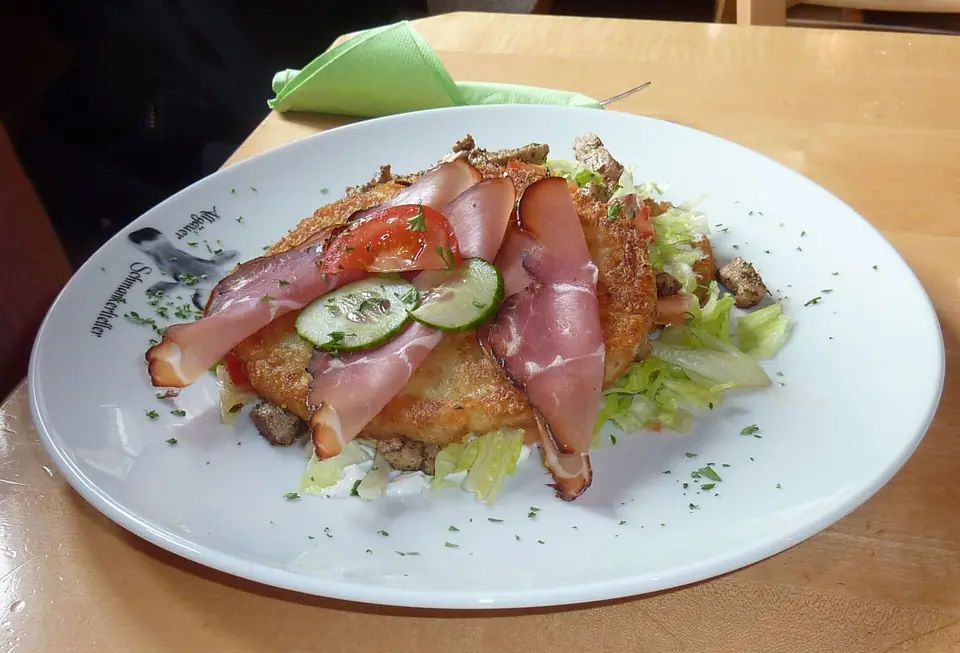
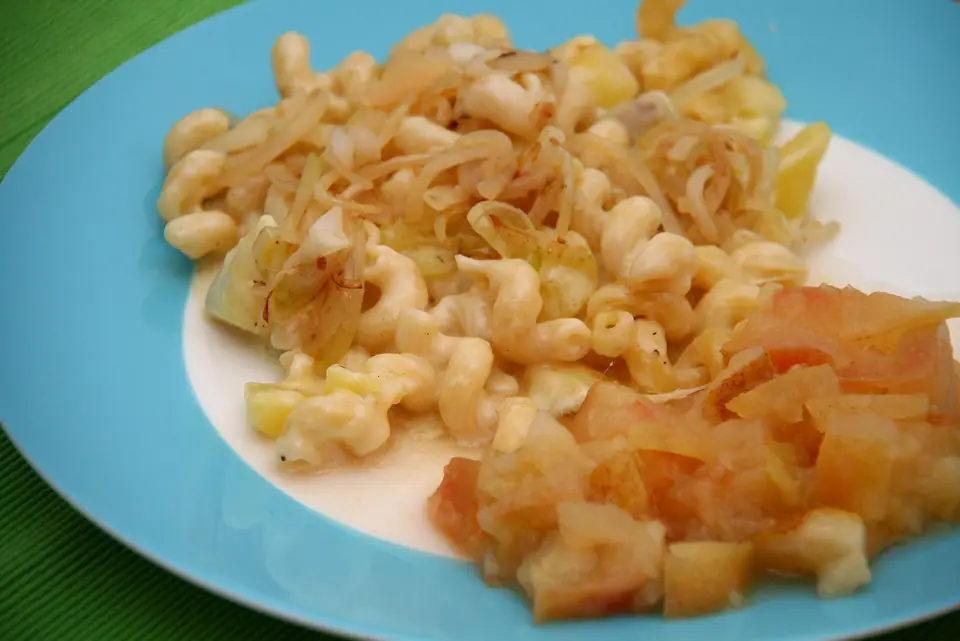
Across Central Switzerland and in the mountain restaurants of Mount Rigi, Mount Pilatus, and the Stanserhorn, traditional menus feature Älplermagronen (herdsman's macaroni), a hearty dish born once the opening of the Gotthard railway brought dry Italian pasta north into the Swiss alpine pastures. Cooks boil macaroni and diced potatoes together in the same pot, layer them with rich alpine cream and melted mountain cheese, top the dish with crisply browned onion rings or roasted bacon strips, and serve it with a side bowl of warm stewed apple compote (Apfelmus). Equally popular across Old Town taverns is golden pan-fried grated potato Rösti, melted cheese fondue and raclette on chilly evenings, and aged wheels of hard Central Swiss Sbrinz cheese, which was historically transported by pack mule from Lucerne across the alpine passes toward northern Italian markets.
Freshwater Whitefish, Perch and Pike from the Vierwaldstättersee
Down along the Reuss quays and lakeside terraces, restaurants showcase freshwater fish caught by professional fishermen in the cold, deep waters of the Vierwaldstättersee. Depending on the season, menus feature pan-fried or beer-battered fillets of whitefish (Felchen or Balchen), delicate lake perch fillets (Eglifilets) served with lemon, capers, and melted butter, arctic char (Rötel), and northern pike (Hecht). Recall that one linguistic explanation of the name Luzern derives from the Latin word lucius, meaning pike, reflecting the medieval fishing weirs that once lined the Reuss outlet. A classic Lucerne preparation is Fischchnusperli, bite-sized fillets dipped in light beer batter and served with herb tartar sauce and boiled potatoes on open-air decks overlooking the water.
Luzerner Birnenweggen, Lebkuchen and Water Tower Stones
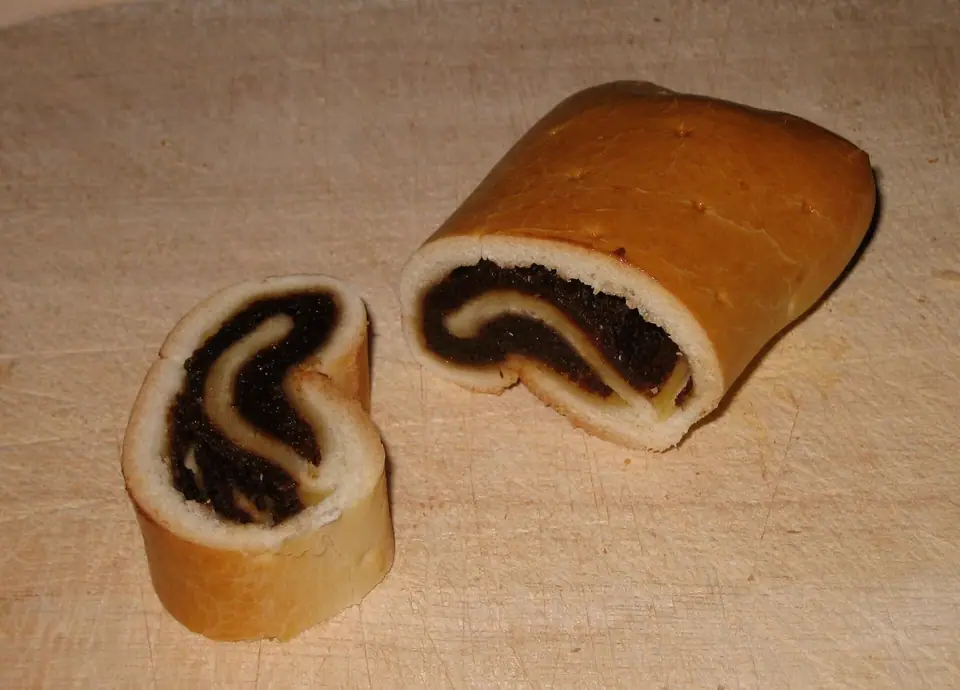
- Luzerner Birnenweggen: A classic yeast-dough or shortcrust pastry rolled around a dark, spiced filling of cooked dried pears (Dörrbirnen), walnuts, hazelnuts, figs, sultanas, Kirsch, coriander, aniseed, cinnamon, and cloves, sold year-round in local bakeries across the Altstadt and Neustadt.
- Luzerner Lebkuchen: A dark, moist spiced cake baked with thick pear honey (Birnel), sour cream, and warming spices rather than bee honey, traditionally enjoyed with whipped cream and coffee on cold afternoons.
- Luzerner Chatzestreckerli and Lozärner Rägetröpfli: Historic honey-almond biscuits recalling the nickname given to Lucerne citizens who climbed the steep Musegg hill "like stretching cats", alongside chocolate-coated Kirsch liqueur "raindrops" and praline "Water Tower stones" (Wasserturmsteine).
- Local craft beer, orchard cider and Luzerner Kafi: Pair guild-house meals with lagers and amber ales brewed in Lucerne at the historic Eichhof brewery (where Fasnacht guild leaders gather each mid-January in the brewery Schalander), crisp apple and pear ciders pressed from high-stem orchards across the surrounding canton, or a hot glass of Luzerner Kafi (weak sweetened coffee laced with local fruit schnapps or Kirsch).
Riverside Farmers' Markets and Guild-House Dining
Every Tuesday and Saturday morning from early morning until midday, the Lucerne weekly market (Luzerner Wochenmarkt) stretches along both banks of the Reuss beneath the Rathausquai arcades on the right bank and along Bahnhofstrasse by the Jesuit Church on the left bank. Strolling between the stalls lets you taste alpine cheeses, seasonal orchard berries, dried-pear loaves, country sourdough bread, and farmhouse sausages directly from regional producers before crossing the river for lunch. For an evening meal, reserve a table in one of the panelled guild dining rooms on Kornmarkt or Weinmarkt, dine in a neighbourhood bistro around Helvetiaplatz in the Hirschmatt-Neustadt quarter, or book a table aboard an SGV lunchtime or sunset steamer cruise as the boat glides across the bay toward Vitznau and Pilatus. Many traditional guild houses also serve set midday menus on weekdays that pair seasonal soup or salad with a single Pastetli shell or freshwater fish fillet. If you want an edible souvenir to pack for your onward journey from Bahnhof Luzern, a foil-wrapped Birnenweggen loaf, a box of Kirsch raindrops, or a vacuum-sealed wedge of aged Sbrinz cheese travels easily in a daypack, and public stone fountains across the historic squares supply cold municipal drinking water to refill your bottle along the way during your city walks across both banks of the river.
Traveller tips
Real advice from people who have been to What to Eat in Lucerne: Chügelipastete, Birnenweggen and Lake Fish. Every tip is read by our team before it goes live.
No tips yet. Been here? Yours could be the first.
Thank you! Your tip will appear here after a quick review.
More in Lucerne
Continue exploring Lucerne with related neighbourhood, food, and planning guides
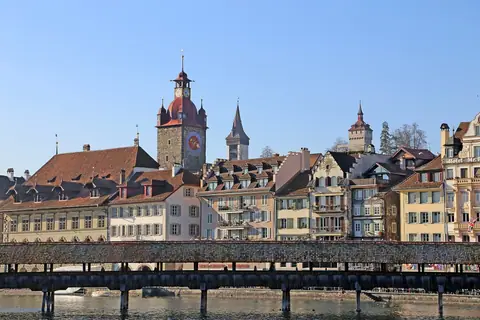
Lucerne Altstadt, Weinmarkt, Kornmarkt and the Jesuit Church
Lucerne, Switzerland
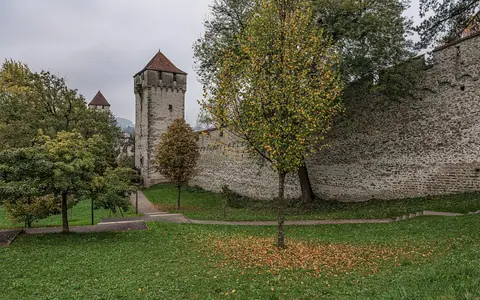
Museggmauer, the Nine Towers and the 1535 Zytturm Clock
Lucerne, Switzerland
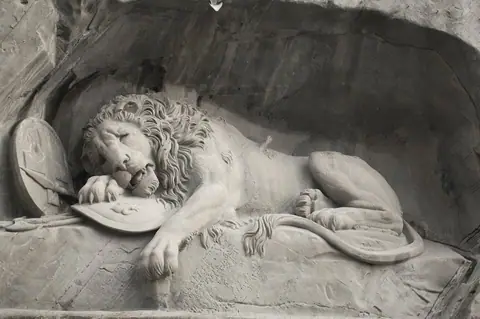
Lion Monument, Glacier Garden and Bourbaki Panorama at Löwenplatz
Lucerne, Switzerland
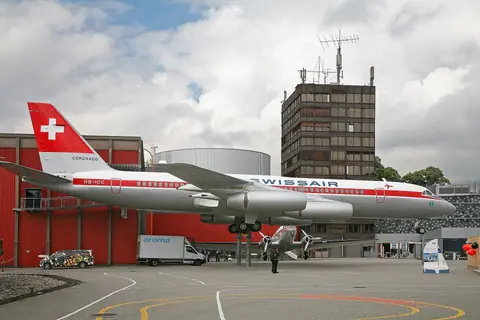
Swiss Museum of Transport (Verkehrshaus), Planetarium and Hans Erni Museum
Lucerne, Switzerland
