


























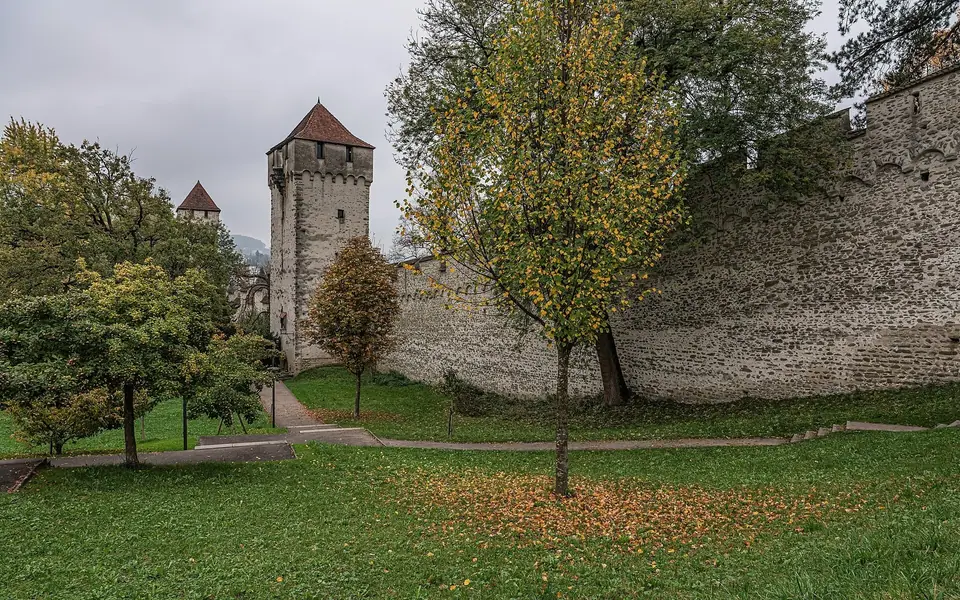
Museggmauer, the Nine Towers and the 1535 Zytturm Clock
Walk the 870-metre fourteenth-century Museggmauer ramparts above Lucerne's Old Town, climb the walkable watchtowers, and inspect the 1535 Zytturm clockwork.
Crowning the sandstone ridge of the Musegg hill immediately north of the Altstadt from the Reuss near the Geissmattbrücke eastward to the Kantonsschule Musegg, the Museggmauer and its nine towers form one of the longest and best-preserved medieval fortification lines in Switzerland. Together with the Kapellbrücke and Wasserturm, the crenellated curtain wall defines Lucerne's historic skyline and is protected as a Category A cultural monument of national importance.
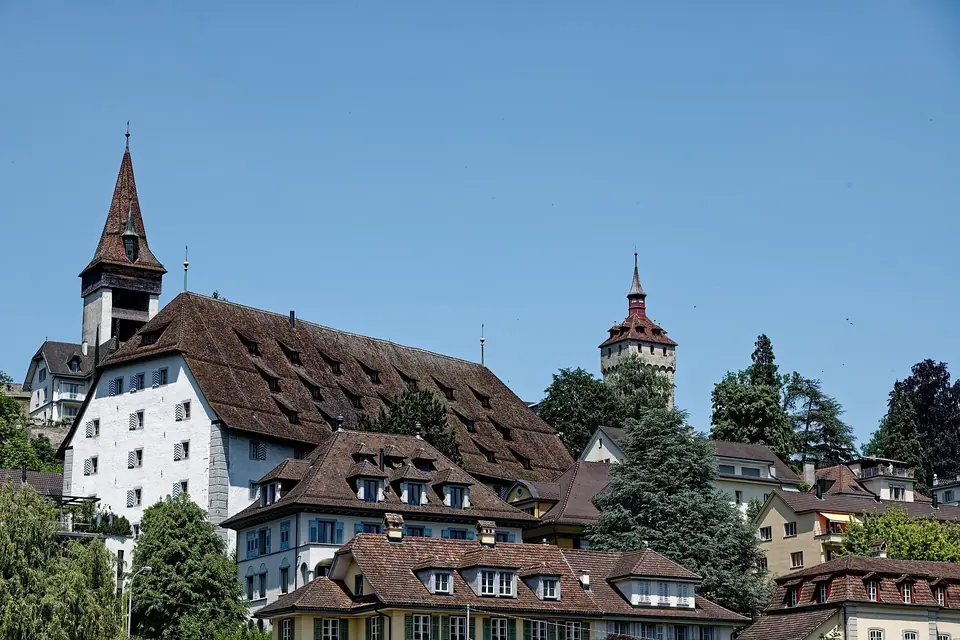
Because the sandstone rampart sits high above the river basin, walking along its base or climbing its open watchtowers gives visitors a clear geographic overview of how medieval Lucerne defended its northern landward flank while using Lake Lucerne and the Reuss as natural moats to the south and west. Looking down from the battlements, you can trace the tight grid of Old Town alleys, the twin towers of the Hofkirche and Jesuit Church, the steamer piers around the bay, and the alpine peaks rising behind the southern shore. Few places in Central Switzerland offer such an immediate connection between medieval military masonry and alpine scenery, and the elevated footpaths remain peaceful even on busy summer afternoons when the riverside quays below are full of strollers.
Building and Preserving the 870-Metre Curtain Wall
While an earlier inner ring wall guarded the thirteenth-century town (mentioned indirectly in 1226 and 1238), dendrochronological timber analysis shows that construction of the outer Museggmauer began no later than around 1370 at the Luegisland tower and continued in stages into the fifteenth century, including an interim building account in 1408, the Schirmerturm around 1420, and the Zytturm around 1442. This ambitious northern expansion coincided with Lucerne's growing autonomy from Habsburg rule around the time of the 1386 Battle of Sempach, enclosing orchards and hillside slopes within a secure outer perimeter.
Between 1833 and 1856, Lucerne demolished almost all of its riverside gates and left-bank fortifications, including the Litzimauer along Hirschengraben and the Sentimauer, to ease traffic flow and improve air circulation because the municipal assembly felt a city without medieval walls looked more modern. Because the Museggmauer ran high along the steep Bramberg sandstone ridge clear of expanding carriage roads, it survived intact apart from a 40-metre eastern section removed for road access. Today the preserved wall measures 870 metres in length, averages 1.5 metres in thickness and around 9 metres in height behind an uncovered battlement walkway, and was comprehensively restored between 2003 and 2015 for 12 million Swiss francs.
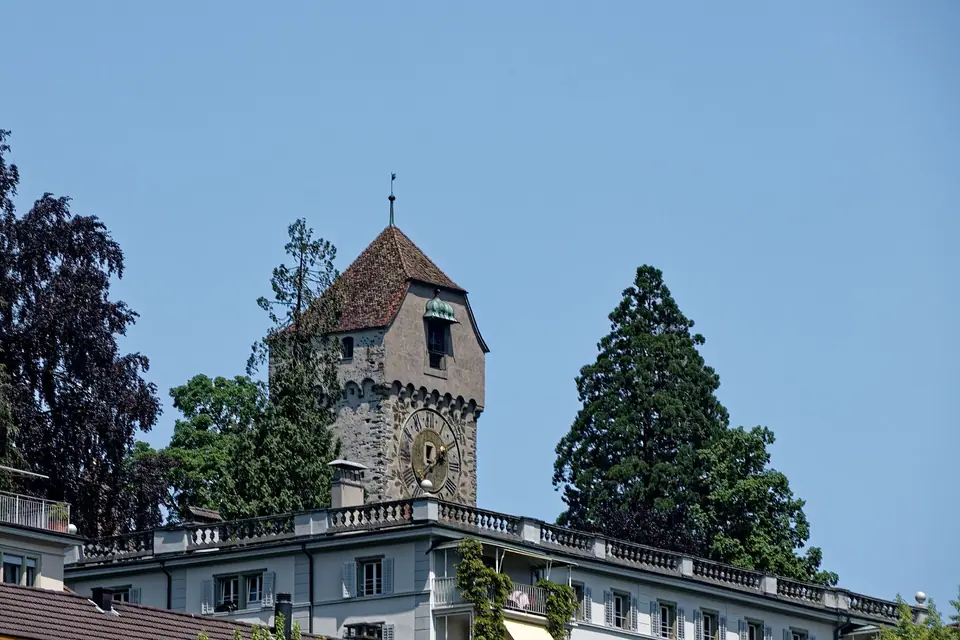
The Nine Musegg Towers from West to East
Except for the cylindrical Nölliturm replaced in the sixteenth century down by the Reuss, all of the Musegg towers stand outside in front of the curtain wall on the northern enemy-facing side. They were originally built as half-open shell towers (Schalentürme) open toward the town so that invading forces could not use a captured tower as cover against the city below; that original open-backed form is still preserved on the Luegisland tower, whereas the Dächliturm was walled in during the eighteenth century and the others during the fifteenth century. From west to east along the ridge, the nine towers are:
- Nölliturm: The cylindrical western river bastion beside the Reuss, rebuilt in the sixteenth century with thick stone walls to withstand cannon fire and pierced by a road arch for riverside traffic.
- Männliturm: The westernmost walkable hillside tower climbing up from the river, crowned by the iron figure of the Museggmännli armour-clad watchman on its turret pinnacle and offering an open viewing platform at its battlements.
- Luegisland: Begun around 1370 as a high watchtower whose name means "look into the land" and whose steeply pitched roof rises prominently above the ridge, retaining its medieval half-open rear wall facing the town.
- Wachturm (or Heuturm): Used historically to store hay and gunpowder before a lightning strike ignited its powder magazine in the eighteenth century, after which the stone tower was reconstructed onto the curtain wall.
- Zytturm: Built around 1442 in the middle of the rampart, carrying the painted city clock face and an exhibition of historic mechanical turret clocks across its timber levels.
- Schirmerturm: Constructed around 1420 beside the Schirmertor gate connecting the Old Town with the northern Musegg meadows, marking the eastern end of the accessible wall-top walkway.
- Pulverturm, Allenwindenturm and Dächliturm: The three eastern towers continuing along the sandstone crest toward the Kantonsschule Musegg, where the steep pyramidal roof of the Dächliturm anchors the eastern edge of the preserved wall.
Several towers and the rampart walk between the Männliturm, Zytturm, and Schirmerturm open free of charge from spring to autumn (check our best time to visit Lucerne guide for seasonal opening months), allowing you to look down over the Old Town roofs toward Lake Lucerne and Mount Pilatus.
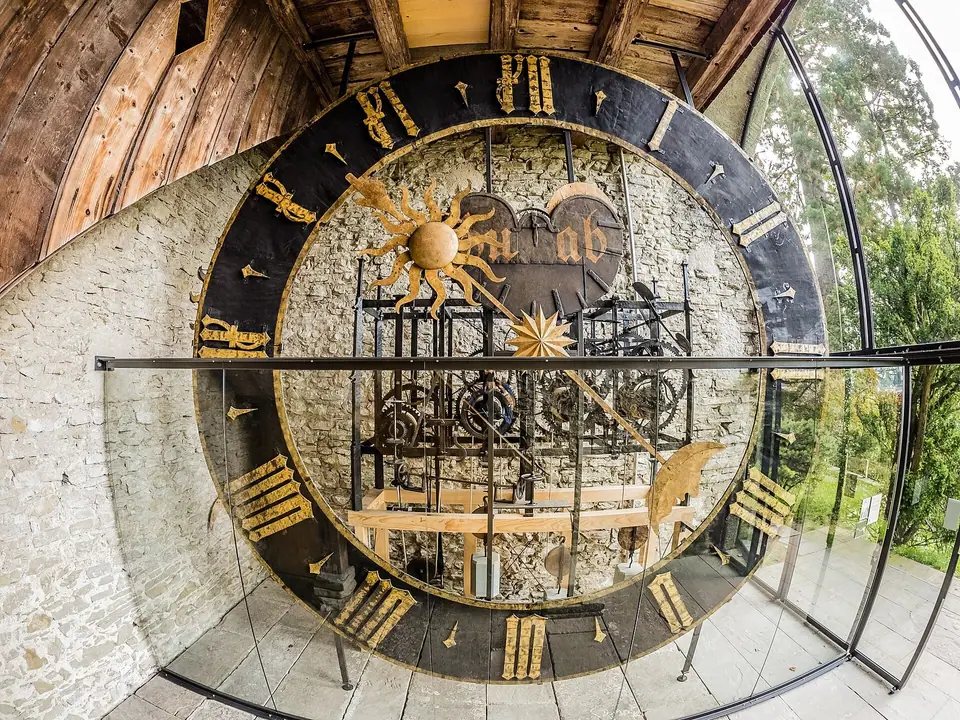
The Zytturm and the Privilege of the First Stroke
Built around 1442, the Zytturm houses Lucerne's oldest turret clock, crafted in 1535 by clockmaker Hans Luter. On the southern facade facing the town and lake bay, a large painted clock dial with giant numerals and frescoed figures allows boatmen and townspeople to read the time from afar. By historic civic privilege, the Zytturm bell rings the full hour one minute before all other public clocks in Lucerne. Visitors climbing the wooden stairs inside the tower can watch the exposed iron gear train, swinging pendulum, and heavy stone counterweights in motion, while examining a collection of historic turret clocks gathered from churches and municipal buildings across the region.
Alpine Swifts, Rare Flora and Rampart Access
During the 2003 to 2015 restoration, conservationists carefully preserved the ecological habitats inside the dry-stone masonry of the Museggmauer. Crevices in the sandstone shelter rare wall ferns and lichens, while the eaves of the towers provide summer nesting sites for common swifts, alpine swifts, jackdaws, and bats. Behind the wall on the northern side, a peaceful path passes an educational city garden, historic beehives, and grazing pastures before descending toward Löwenplatz and the Lion Monument. You can reach the ramparts in five minutes on foot by climbing the stepped lanes above Weinmarkt or Kornmarkt, making the wall an effortless addition to any Old Town walk. Entry to the open towers and the battlement walk is uncharged during the spring-to-autumn visiting season, though steep wooden ladders inside the towers require sturdy footwear and a steady step.
Traveller tips
Real advice from people who have been to Museggmauer, the Nine Towers and the 1535 Zytturm Clock. Every tip is read by our team before it goes live.
No tips yet. Been here? Yours could be the first.
Thank you! Your tip will appear here after a quick review.
More in Lucerne
Continue exploring Lucerne with related neighbourhood, food, and planning guides
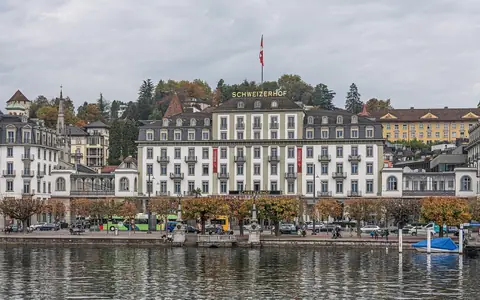
Where to Stay in Lucerne: Altstadt, Left Bank, Lakefront and Hillsides
Lucerne, Switzerland
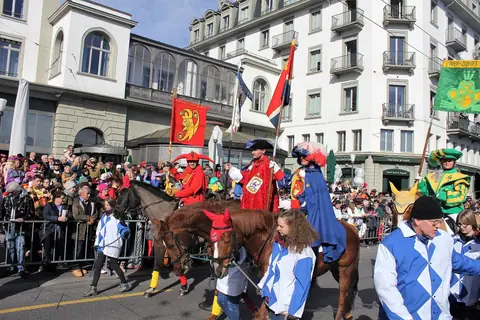
Best Time to Visit Lucerne: MeteoSwiss Climate, Fasnacht and Festivals
Lucerne, Switzerland
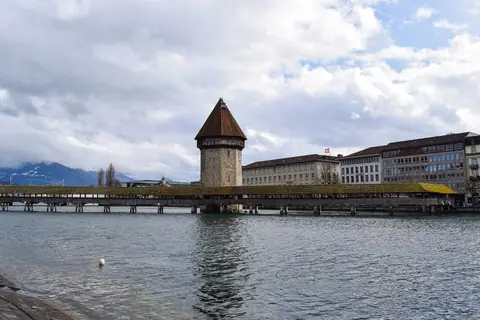
3 Days in Lucerne: Covered Bridges, Löwenplatz, Lake Steamers and Alpine Peaks
Lucerne, Switzerland
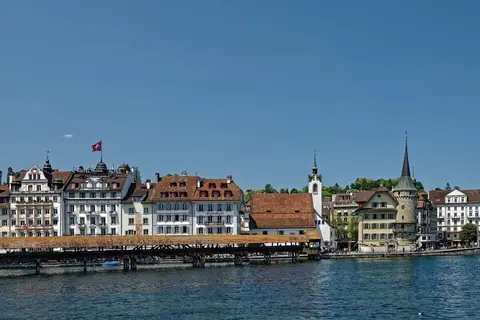
Lucerne: Reuss Bridges, Lake Bay and Alpine Gateways
Lucerne, Switzerland
