


























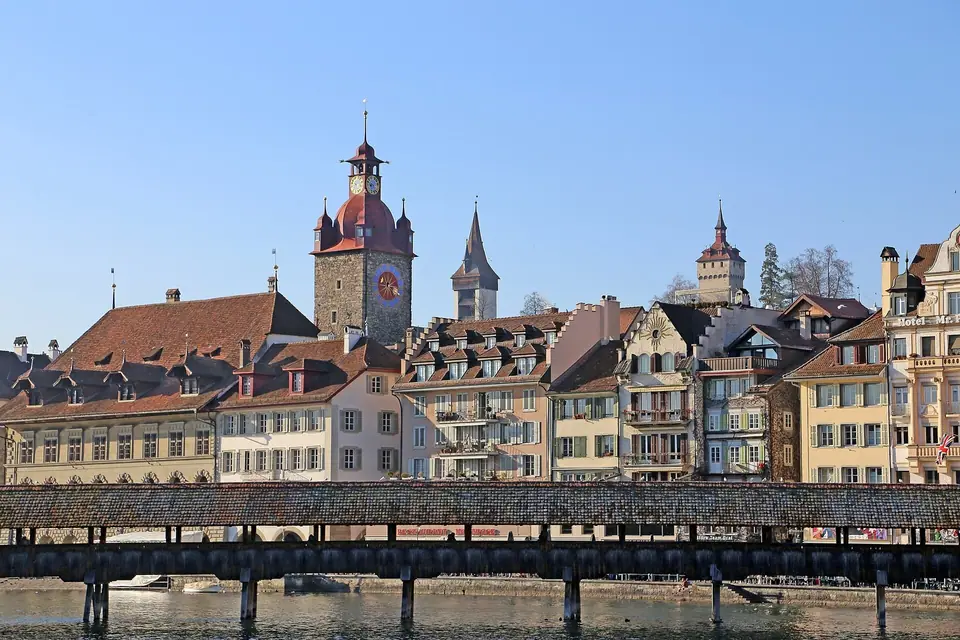
Lucerne Altstadt, Weinmarkt, Kornmarkt and the Jesuit Church
Stroll Lucerne's car-free Old Town squares, admire Anton Isenmann's Renaissance Rathaus on Kornmarkt, and step inside Switzerland's first major Baroque church.
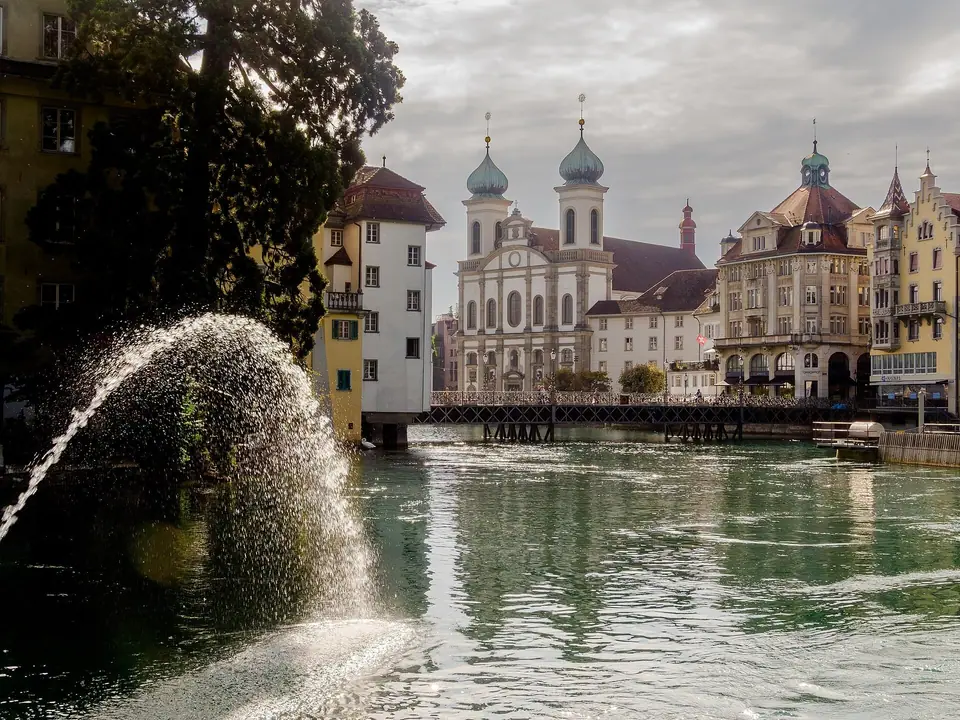
Tucked between the right bank of the Reuss and the medieval ramparts of the Museggmauer, Lucerne's pedestrian Altstadt unfolds as a chain of interconnected cobble-paved squares lined with guild houses and late-nineteenth- and early-twentieth-century historical facade frescoes. Crossing the Rathaussteg or the Kapellbrücke brings you directly onto the left bank, where the twin onion domes of the Jesuit Church face the river opposite the Old Town quays. Together, these two riverbanks preserve the civic, mercantile, and ecclesiastical centre of medieval and early modern Lucerne.
Because motor traffic is excluded from the narrow lanes between Schwanenplatz and Mühlenplatz, walking through the Old Town allows you to study architectural details at street level and along upper gables: stepped Gothic roofs, projecting oriel windows, carved stone fountains fed by mountain springs, and gilded guild emblems hanging above vaulted cellars. Every square opens onto a slightly different perspective of the river and surrounding hills, making the district rewarding to explore on foot in any weather.
Kornmarkt and the 1606 Renaissance Rathaus
Kornmarkt forms the civic centre of the Old Town and borders the riverfront arcades known as Unter der Egg along Rathausquai. Here architect Anton Isenmann erected the Rathaus (Town Hall) between 1602 and 1606 with craftsmen from northern Italy, blending an Italian Renaissance Milanese-style stone palazzo facade, an external stone staircase (Leist) facing the Reuss, and cobbled arcades with an overhanging Lucerne farmhouse hip roof. Next to the building rises the rectangular Rathausturm capped by a red lantern and turret clock that served as a fire and watch tower. Inside, the ground-floor Kornschütte gallery hosts exhibitions while the upper Portraitsaal and council chamber have hosted municipal assemblies since the first sitting on 24 June 1606, directly adjoining the historic Am Rhyn-Haus.
Directly across the cobbles from the Rathaus stands the ornate facade of the Zunfthaus zu Pfistern, the historic bakers' and millers' guild house whose arcaded ground floor and painted upper storeys overlook both Kornmarkt and the river promenade. Under the stone vaults of Unter der Egg, merchants once unloaded grain sacks brought across Lake Lucerne by barge, and the same shaded arcade still shelters market stalls and riverside dining tables today.
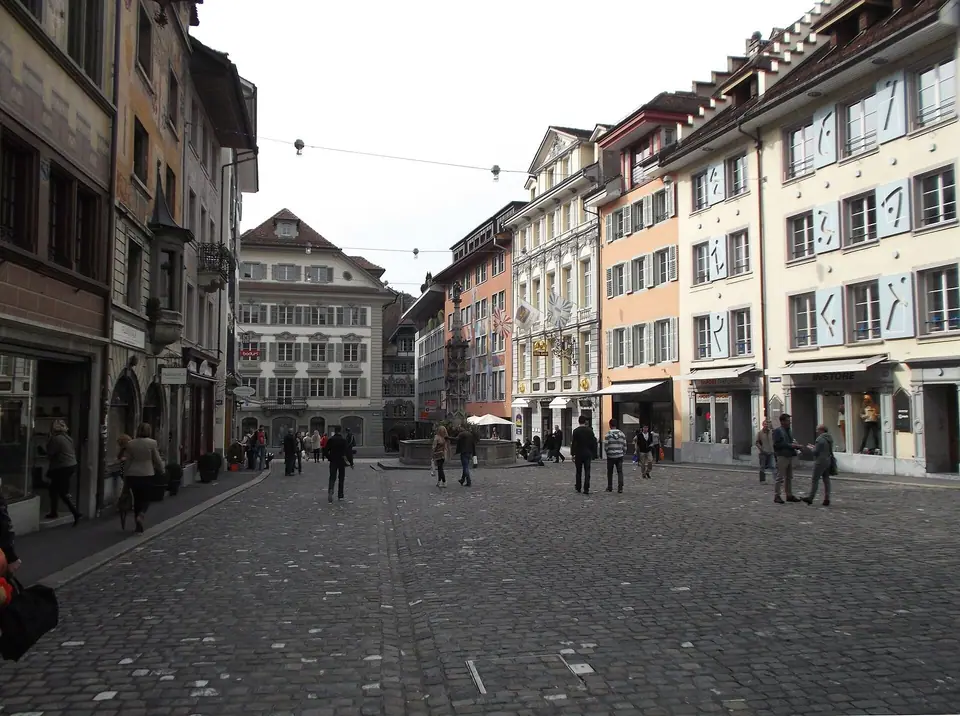
Weinmarkt and the 1332 Confederate Oath
A short walk west of Kornmarkt opens onto Weinmarkt, once the medieval fish market and the square where citizens swore their confederate oath with Uri, Schwyz, and Unterwalden in 1332. Its polygonal Gothic fountain is carved with armed knights and Saint Maurice, while surrounding facades feature murals including Eduard Renggli's 1928 painting on Weinmarkt 20. From 1453 to 1616, Weinmarkt also served as the open-air stage for Lucerne's famous two-day Easter Passion Play, when temporary wooden tiers filled the square and citizens performed biblical scenes across twelve hours each day. Look up at the gabled chemist and guild buildings around the perimeter to spot Latin inscriptions, painted sundials, wrought-iron guild signs, and heraldic lions.
Hirschenplatz, Kapellplatz and the 1581 Fritschibrunnen
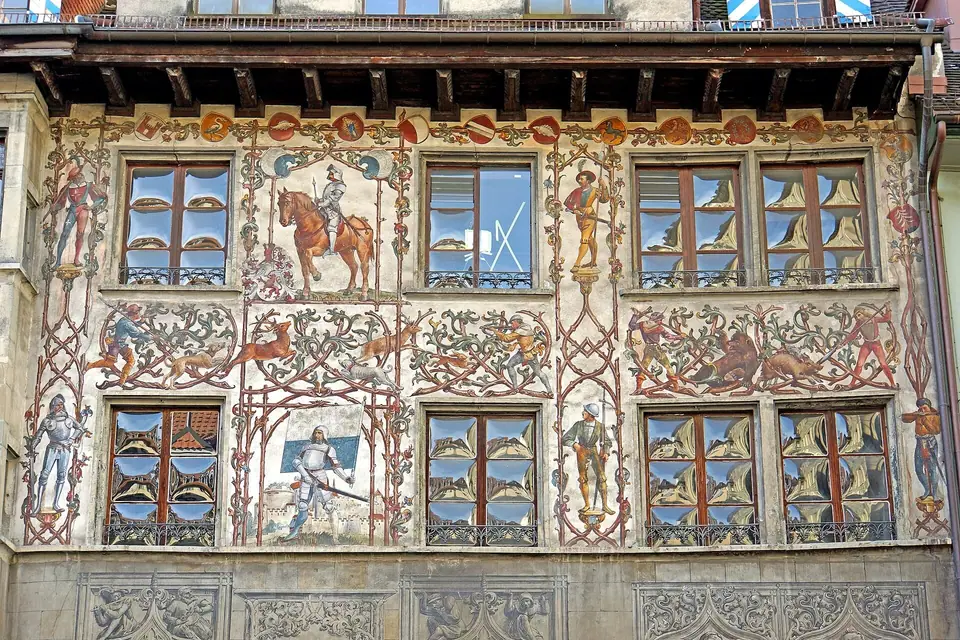
East of Kornmarkt, Hirschenplatz takes its name from the historic Gasthaus zum Hirschen with its wrought-iron tavern sign, where Johann Wolfgang von Goethe lodged on his journey toward Italy in 1779. Narrow lanes lead onward to Kapellplatz beside St. Peter's Chapel (where a parish priest endowment was founded in 1178) and the 1581 Fritschibrunnen at the centre of Luzerner Fasnacht. Around these plazas, late-nineteenth- and early-twentieth-century painters decorated burgher houses with lively murals depicting jester figures, medieval banquets, and guild emblems that give the pedestrian streets the appearance of an outdoor picture gallery.
Mühlenplatz and the Left-Bank Franziskanerkirche
At the western end of the Altstadt, Weinmarkt descends into Mühlenplatz directly beside the 1408 Spreuerbrücke and the roaring weir of the Nadelwehr, where water wheels once powered the municipal grain mills, sawmills, and mint. Crossing the river to the left-bank Kleinstadt brings you within steps of the Franziskanerkirche St. Maria in der Au, a thirteenth-century Franciscan mendicant church combining a tall Gothic choir, Renaissance nave arcades, painted banners captured at the 1386 Battle of Sempach, and an intricately carved seventeenth-century wooden pulpit.
The Jesuitenkirche St. Franz Xaver on the Left Bank
Directly across the Reuss from the Rathaus between the cantonal government building (Regierungsgebäude) and the Luzerner Theater stands the Jesuitenkirche St. Franz Xaver, built between 1666 and 1677 as the first large Baroque church in Switzerland. Promoted by Jesuit college rector Tobias Lohner and attributed to Vorarlberg builders Michael Beer or Michael Thumb alongside Jesuit fathers Heinrich Mayer and Christoph Vogler (with the shell standing by 1669 and connected to the college in 1755), its bright four-bay interior pioneered the Vorarlberg wall-pillar hall scheme with stucco side-chapel reliefs from 1672 to 1673 in the Wessobrunn style. Adjacent to the church stands the Renaissance Rittersche Palast, begun in the sixteenth century for Mayor Lux Ritter with a Tuscan-columned inner courtyard.
Torricelli Frescoes, High Altar and 1893 Twin Towers
Above the nave, a curved four-lobed ceiling fresco painted in the mid-eighteenth century by brothers Giovanni Antonio and Giuseppe Antonio Torricelli depicts patron saint Francis Xavier riding a chariot drawn by an elephant, a dromedary, a horse, and a cheetah, symbolising the four continents of Jesuit missionary work. The monumental rose-and-white stucco high altar designed by Heinrich Mayer and built by Christoph Bruck holds a 1681 canvas by Francesco Innocenzo Torriani, while a side chapel honours Swiss national patron Saint Brother Klaus (Niklaus von Flüe) with his preserved religious habit. Although planned from the seventeenth century, the two octagonal bell towers with constricted onion domes were added in 1893 by Heinrich Viktor von Segesser and restored in January 2017.
Walking the River Quays Between the Two Banks
To experience the full architectural ensemble of the historic core, start at Kapellplatz, weave west through Hirschenplatz, Kornmarkt, Weinmarkt, and Mühlenplatz, cross the Spreuerbrücke to the left bank, and stroll upstream along Bahnhofstrasse past the Franziskanerkirche, Rittersche Palast, and Jesuit Church before returning via the Kapellbrücke. Along the way, stop at a guild tavern to sample traditional Lucerne dishes or compare central townhouses in our guide on where to stay in Lucerne. Morning hours before lunch bring the softest light onto the painted facades and quietest cobbles across all four squares.
Traveller tips
Real advice from people who have been to Lucerne Altstadt, Weinmarkt, Kornmarkt and the Jesuit Church. Every tip is read by our team before it goes live.
No tips yet. Been here? Yours could be the first.
Thank you! Your tip will appear here after a quick review.
More in Lucerne
Continue exploring Lucerne with related neighbourhood, food, and planning guides
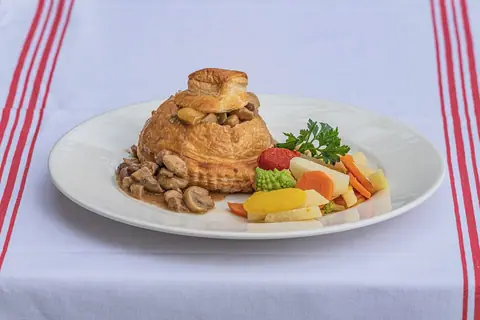
What to Eat in Lucerne: Chügelipastete, Birnenweggen and Lake Fish
Lucerne, Switzerland
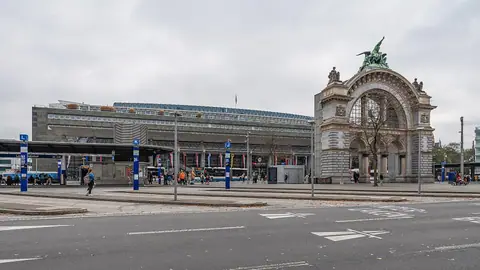
How to Get to Lucerne: Bahnhof Luzern, SBB Trains and Public Transport
Lucerne, Switzerland
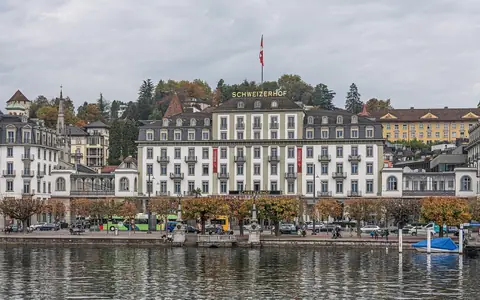
Where to Stay in Lucerne: Altstadt, Left Bank, Lakefront and Hillsides
Lucerne, Switzerland
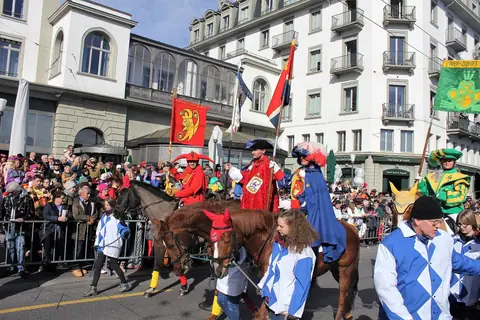
Best Time to Visit Lucerne: MeteoSwiss Climate, Fasnacht and Festivals
Lucerne, Switzerland
