


























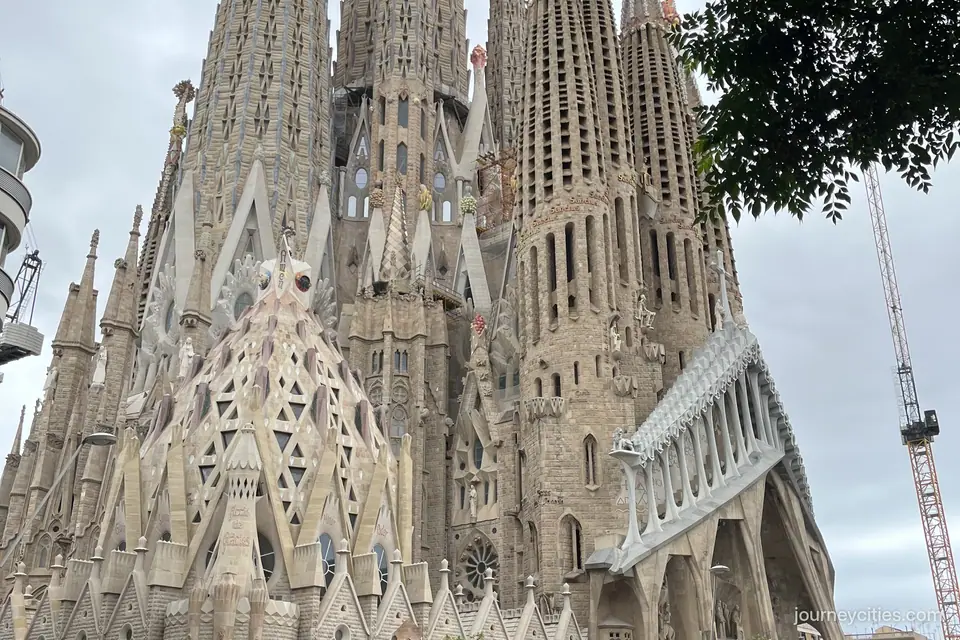
Photo: JourneyCities
Barcelona Seasonal Guide: Swimming Months, Festivals and Heat
We plan Barcelona trips around seasonal sea temperatures, festive autumn traditions, humid summer afternoons, and calm winter sightseeing periods.
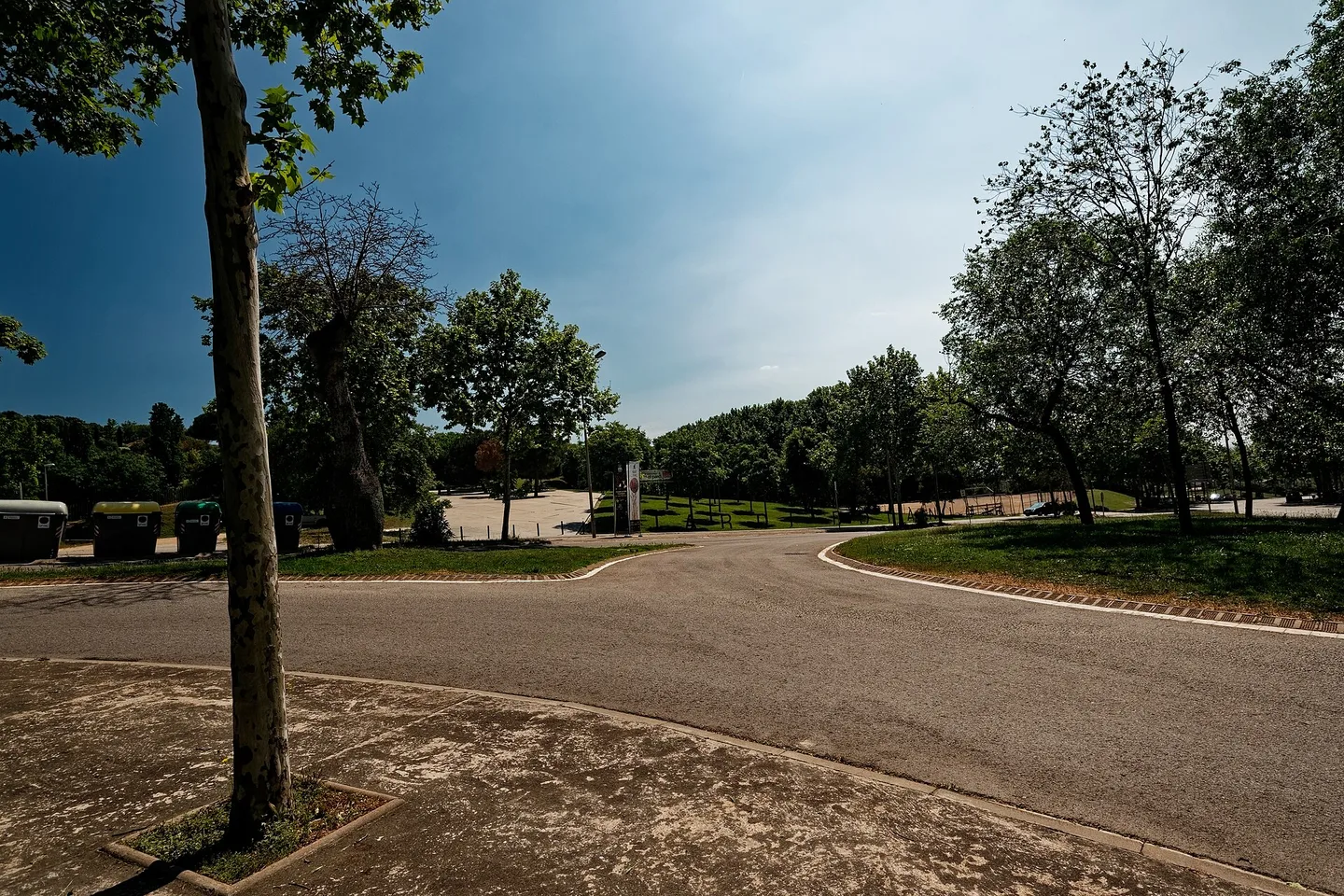
Barcelona shifts dramatically between Mediterranean seasons, rewarding visitors who match their daily walking plans to monthly conditions. Late spring brings long daylight, gentle breezes, and comfortable air for climbing the hill parks. We find May and June offer some of the finest weather for walking through outdoor architecture, botanical paths, and shaded residential streets.
Walking conditions during late spring remain crisp in early mornings, rising pleasantly by the afternoon. Visitors who choose appropriate clothing following our tips on what to wear easily adapt from breezy seaside mornings to warm inland plazas. Urban gardens bloom fully, making long walks between viewpoints relaxing and easy.
Spring Climates and Early Summer Balances
Late May and June bridge the gap between fresh spring mornings and warm Mediterranean days. Pavement cafes along pedestrian avenues fill up with residents enjoying afternoon shade, while queue times at major monuments remain manageable. Sightseeing stays comfortable because sea breezes moderate inland humidity during these middle months.
Bicycle routes along the waterfront and shaded walks in leafy districts remain enjoyable right up to midday. You can wander freely without the oppressive midday heat that slows foot traffic later in the season. Planning major uphill climbs or extensive outdoor walking during these weeks gives you maximum flexibility.
- May brings comfortable park strolls and open botanical trails across the hillsides.
- June introduces sunny conditions without the severe humidity of late summer.
- Pavement terraces stay lively well into comfortable evenings across residential squares.
Planning outdoor excursions early in the day leaves late afternoons free for museum halls. Combining breezy outdoor morning explorations with cool indoor gallery stops keeps your daily itinerary pleasant and varied.
Peak Summer Temperatures and Shoreline Realities
July and August bring dense humidity and strong sunshine across the coastal plain. Afternoon temperatures climb steadily, and the dense urban grid retains heat long after sunset. Many independent family-run shops and neighbourhood bistros close during August while owners take their annual coastal holidays.
Midday sightseeing during these peak months requires sensible pacing, steady hydration, and generous pauses under shade. We suggest spending the hottest hours inside air-cooled galleries, historic basilicas, or quiet library cafes. Visitors heading to the sands of Barceloneta and beaches will find energetic shores, warm waters, and active water sports.
| Season Window | Walking Conditions | Primary Focus |
|---|---|---|
| Late Spring | Crisp mornings, gentle afternoon warmth | Hilltop parks and modernist avenues |
| Mid Summer | Humid, intense midday heat | Shaded galleries and beach swimming |
| Early Autumn | Warm sea, temperate afternoon breezes | Street festivals and neighbourhood squares |
| Mid Winter | Cool, bright, and dry | Uncrowded museums and quiet historic quarters |
Cruise terminals also run at peak capacity during high summer, swelling pedestrian numbers along central thoroughfares. Escaping into quiet residential pockets or timing walks along coastal promenades before breakfast offers welcome breathing space.
Autumn Festivities and Mediterranean Water Seasons
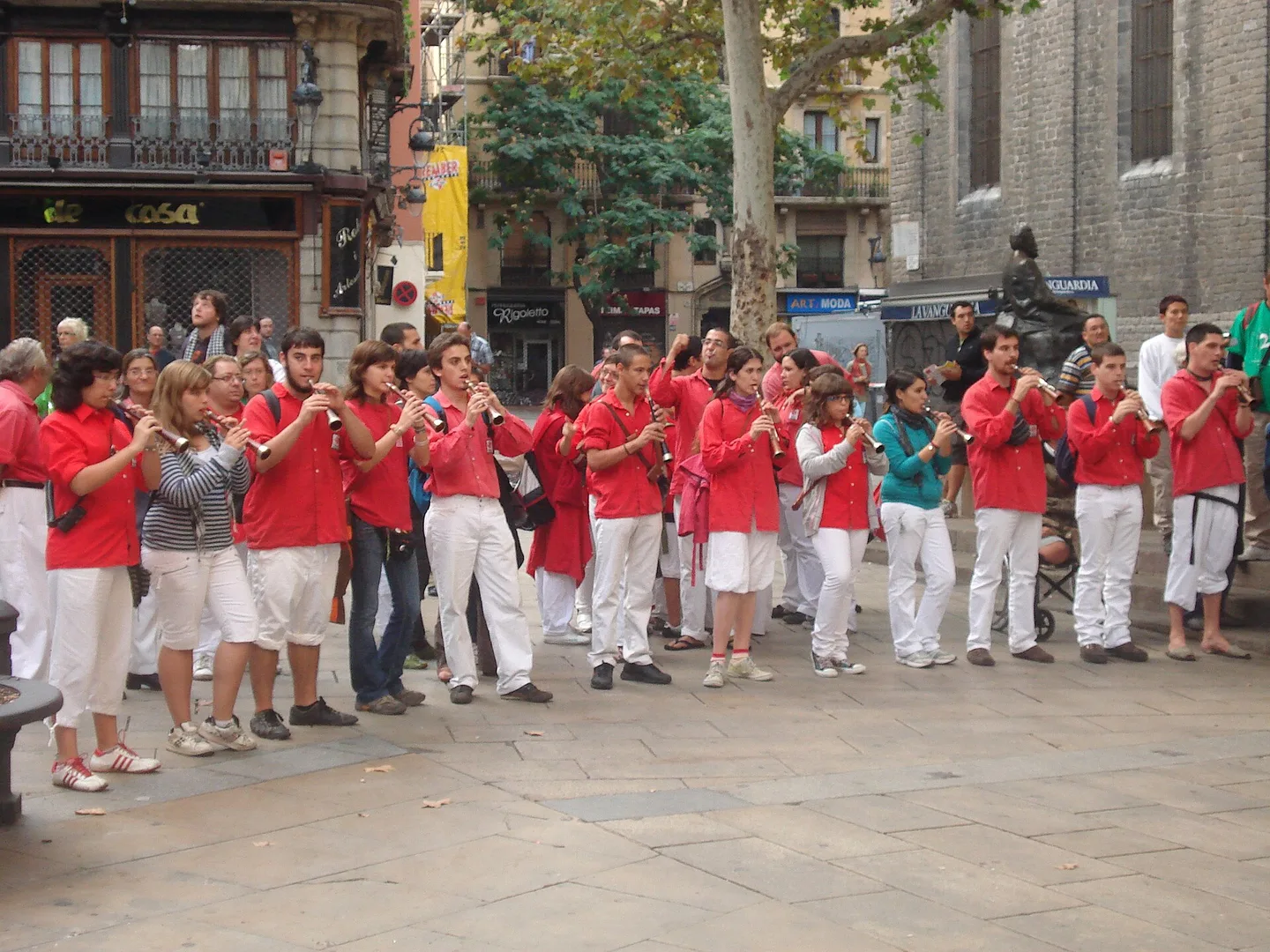
September stands out as an exceptional period to experience the city at its most dynamic. The Mediterranean retains summer warmth, creating pleasant conditions for swimming along urban sands. Meanwhile, seasonal festivals take over public squares with traditional music, communal dances, and towering human castles.
Streets in lively creative quarters like the village-like lanes of the Gracia guide maintain deep neighbourhood pride and lively public events. October follows with cooler air, though it also brings occasional torrential downpours that suddenly flood stone gutters. Packing a sturdy umbrella allows you to navigate these brief coastal storms without disruption.
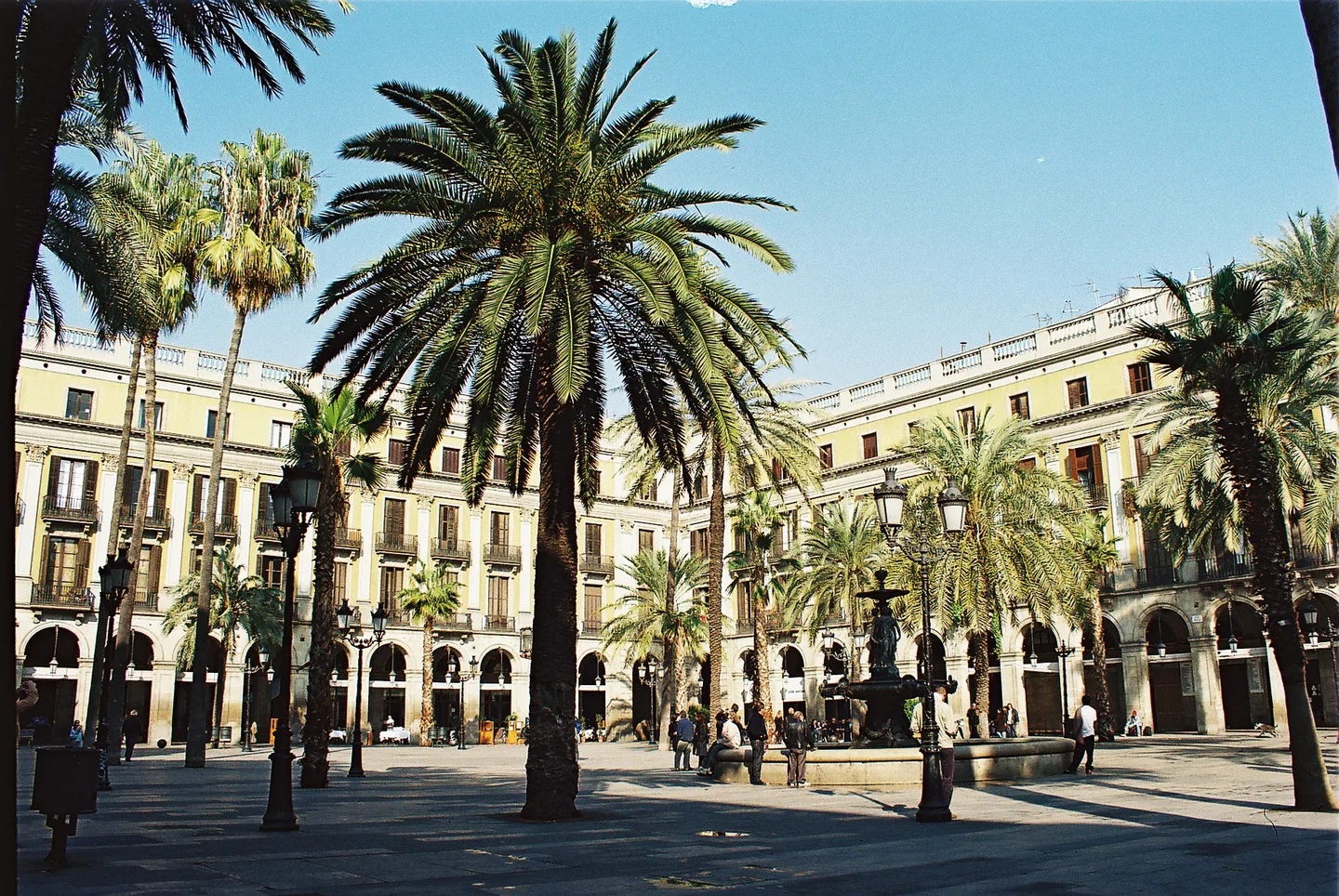
- Late September brings colourful citywide holiday celebrations and public parades.
- Sea waters remain warm enough for comfortable afternoon swimming through September.
- October showers arrive quickly, washing central stone streets clean between sunny intervals.
Cultural calendars restart across civic centres during early autumn, filling evenings with classical concerts and outdoor performances. The shift from humid summer quiet to brisk autumn energy makes September a favourite period for travellers.
Winter Sightseeing and Off-Peak Museum Routes
Winter across coastal Catalonia is remarkably mild, sunny, and dry compared to northern Europe. December through February provides crisp, pale blue skies that illuminate carved stone facades beautifully. You will encounter far shorter ticket lines at major landmarks, allowing unhurried contemplation.
Even in January, afternoon sunshine frequently warms central plazas enough for sitting comfortably outdoors with hot coffee. The historic core of Barcelona feels distinctively local once peak tourist crowds disperse. Winter evenings turn chilly as soon as the sun dips below the western hills, so a wool coat is essential.
Indoor collections, concert halls, and food markets feel spacious and welcoming during these quiet months. You can admire historic paintings, medieval courtyards, and grand civic halls without feeling rushed along crowded corridors. For independent travellers focusing on art, architecture, and tranquil neighbourhood wandering, the winter months offer deep calm.
Where it is
- 1Barcelona
- Josep Tarradellas Barcelona-El Prat Airport (BCN) · about 13 km from Barcelona in a straight line
- Directions in Google Maps
Stations and taxi ranks: OpenStreetMap. Airports: OurAirports. Distances are in a straight line.
Traveller tips
Real advice from people who have been to Barcelona. Every tip is read by our team before it goes live.
No tips yet. Been here? Yours could be the first.
Thank you! Your tip will appear here after a quick review.
More in Barcelona
Continue exploring Barcelona with related neighbourhood, food, and planning guides

Picasso Museum Barcelona: Medieval Palaces, Early Works and Tickets
Barcelona, Spain
Montjuïc Guide: Cable Car, MNAC, Miró Museum and Fortress Views
Barcelona, Spain
Casa Batlló and Casa Milà: Comparing Gaudí Houses
Barcelona, Spain
El Born Quarter: Santa Maria del Mar, Palaces and Maritime Lanes
Barcelona, Spain
