


























Photo: JourneyCities
Barcelona Sightseeing Guide: Modernisme, Gothic Lanes and City Panoramas
Organising a balanced trip across Barcelona pairs timed modernist visits with open neighbourhood walks, quiet courtyards, and scenic coastal viewpoints.
Barcelona unfolds as a sequence of distinct quarters rather than a single compact historic centre. Setting a sustainable sightseeing pace prevents the fatigue that often comes from rushing between monuments across different districts. We recommend reserving at most one major timed interior per day. This leaves several hours open for wandering streetscapes, public squares, and shaded parks.
Modernisme Beyond the Central Avenues
Antoni Gaudí and his contemporaries left a remarkable architectural legacy across the city. This heritage is concentrated heavily around the grid streets of the Eixample district. Walking along Passeig de Gràcia reveals the undulating stone balconies of Casa Milà. Nearby stand the bone-shaped stone window frames of Casa Batlló.
Standing on the pavement outside these landmarks offers deep appreciation for their sculptural ceramic tiles, carved stonework, and flowing wrought-iron balconies. Further northeast, visiting the soaring stone tree trunks of the interior nave within the Sagrada Família shows how light filters through faceted stained glass windows.
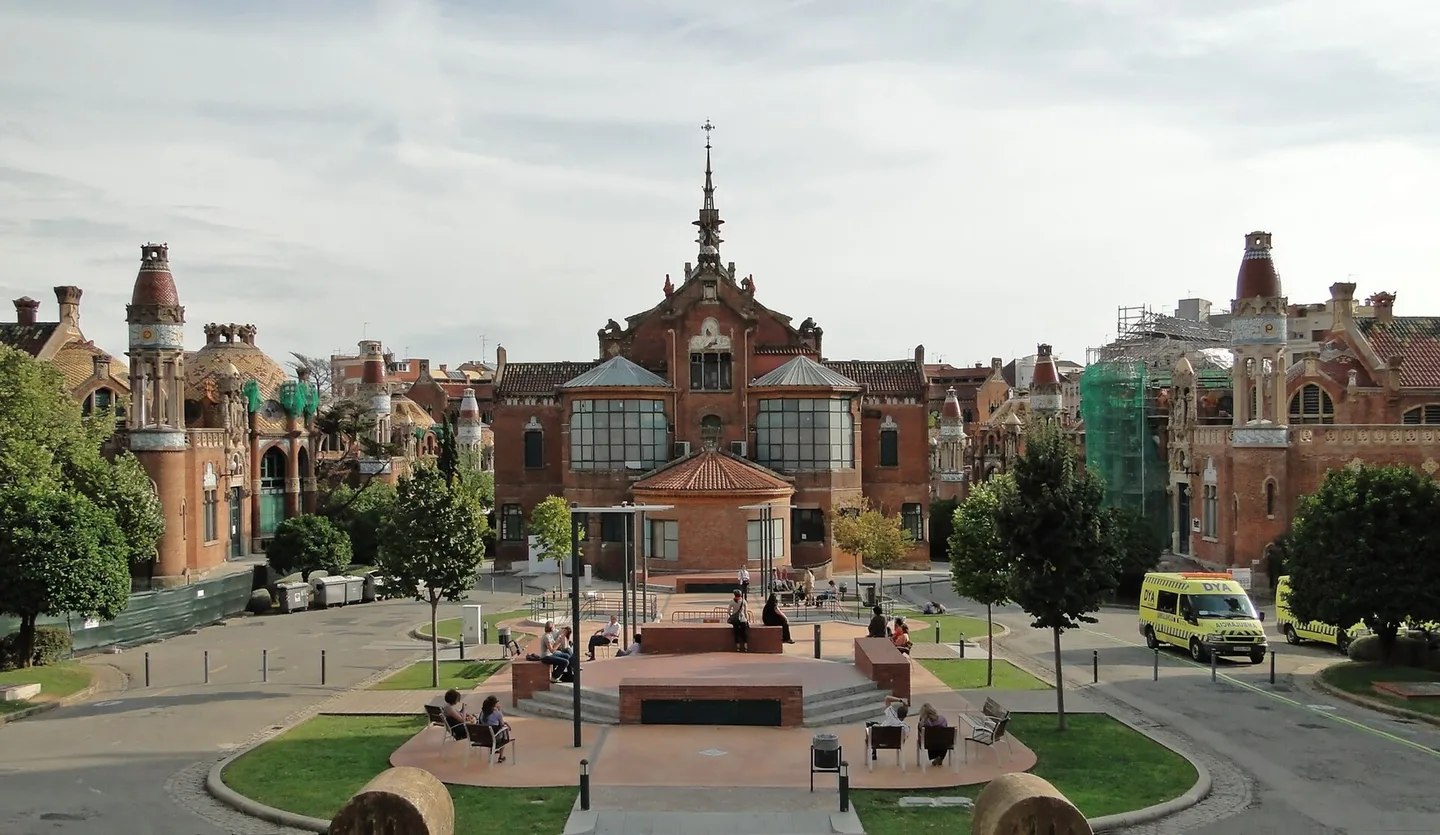
For architectural grandeur without dense crowds, continue on foot towards the Recinte Modernista de Sant Pau. This former hospital complex features decorative brick pavilions, tile mosaics, and tranquil garden courtyards designed by Lluís Domènech i Montaner. We like sitting beneath the orange trees here after touring the main halls.
Heading uphill into the northern suburbs brings you to the elevated terraces of Park Güell. The open monumental zone presents curving mosaic benches framed by stone viaducts, pine groves, and wide vistas across the city rooftops towards the Mediterranean shoreline.
Taking time to admire the expressive tile details along the park balustrades gives insight into the playful organic forms Gaudí favoured. Shaded dirt paths lead away from the central esplanade into quiet wooded corners where songbirds shelter in native pines.
Gothic Alleys, El Born and Park Gardens
South of Plaça de Catalunya, the urban character shifts abruptly from wide boulevards to dense medieval corridors. Strolling through the winding stone passages of the Gothic Quarter takes you past quiet cloisters, ancient Roman walls, and secluded stone squares where street musicians play classical guitar.
Cross the broad Via Laietana to enter El Born, a quarter filled with artisan workshops, independent bookshops, and small tapas counters. The Museu Picasso occupies several adjoining medieval palaces along Carrer de Montcada. The galleries display the artist's formative sketches and paintings within vaulted stone halls.
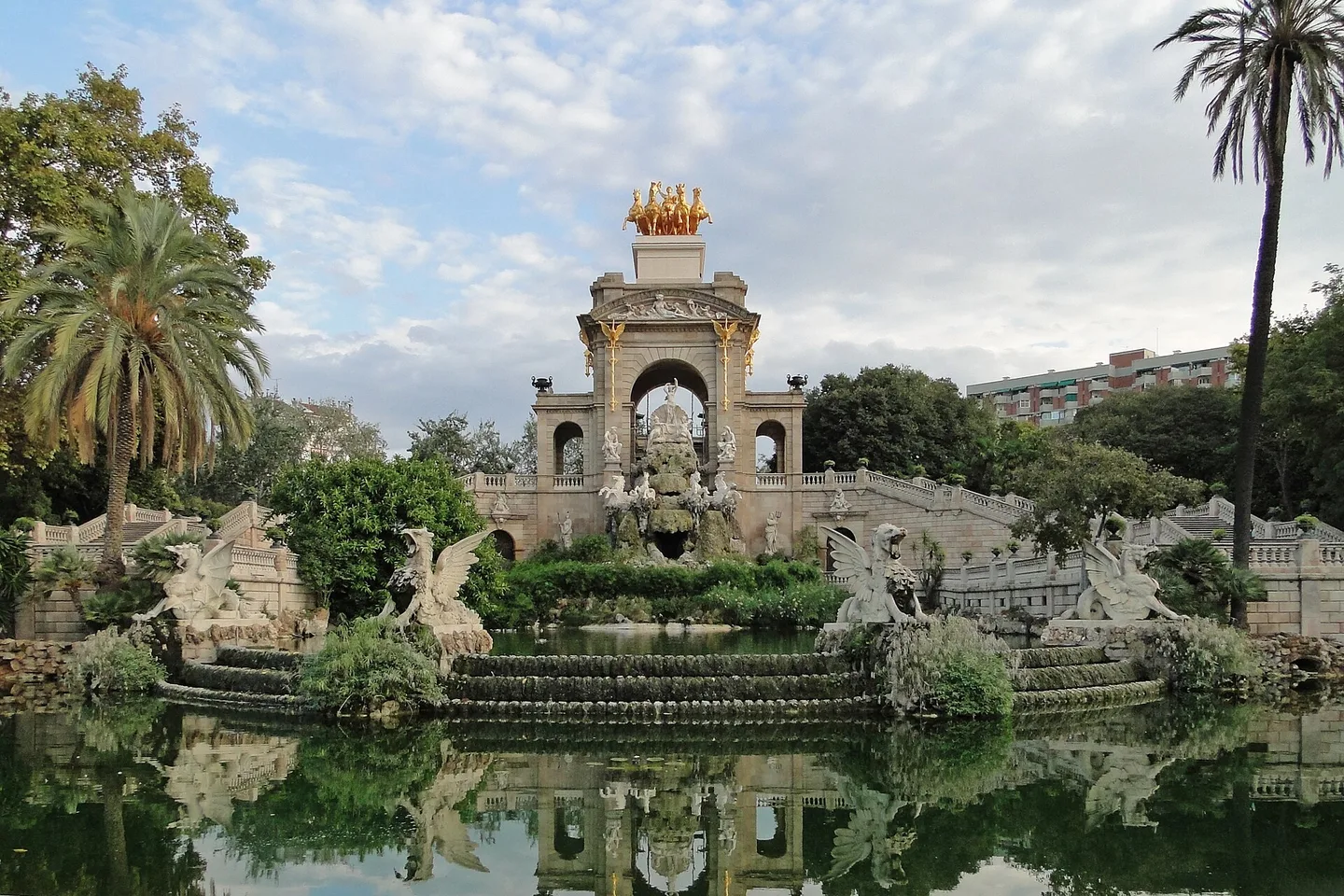
A short stroll eastward brings you to the broad pathways of Parc de la Ciutadella. This sprawling urban park offers wide lawns, palm trees, and an ornate monumental waterfall flanked by golden sculptures. Rowing across the small central lake provides a peaceful afternoon break away from traffic noise.
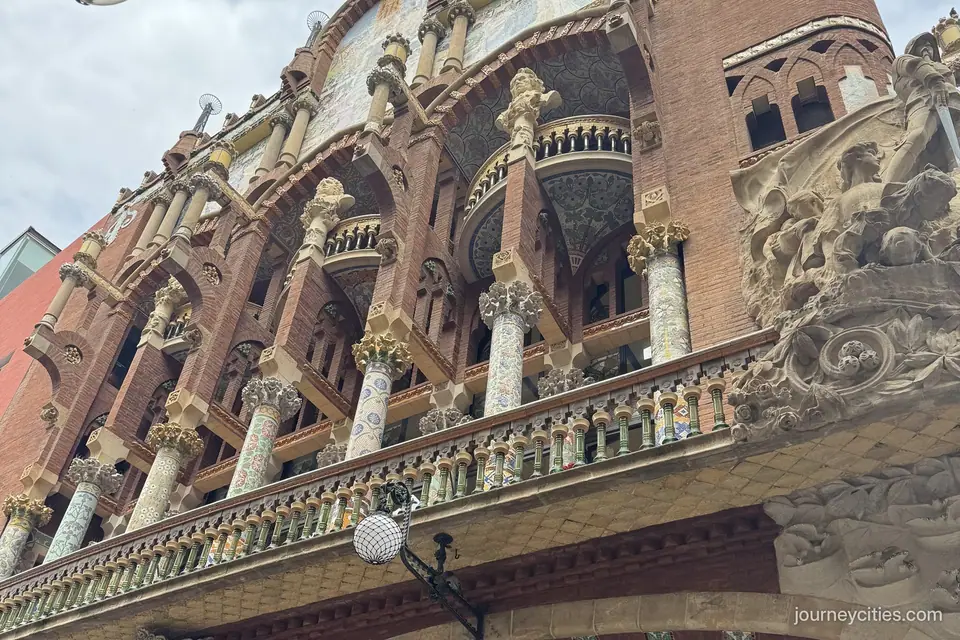
Music lovers should also seek out the Palau de la Música Catalana, located along the edge of Sant Pere. Its concert auditorium features an exquisite inverted stained-glass dome depicting the sun, surrounded by carved floral columns and sculpted muses.
The surrounding lanes of Sant Pere and Santa Caterina offer peaceful pedestrian routes lined with family-run grocers and traditional bakeries. Taking an unhurried walking route through these older districts reveals historical layers dating back to Roman settlement.
Comparing Barcelona Sightseeing Priorities
Balancing paid monument reservations with free open-air neighbourhoods keeps your days flexible and enjoyable. Planning your route geographically minimises unnecessary transfers across the metro network.
| Quarter | Primary Architectural Character | Recommended Sightseeing Pace | Outdoor Open Space |
|---|---|---|---|
| Eixample | Modernist facades and octagonal intersections | Morning timed interior entry | Passeig de Gràcia pavements |
| Ciutat Vella | Medieval stone alleys and historic courtyards | Relaxed afternoon walking route | Parc de la Ciutadella |
| Gràcia & Carmel | Elevated parkland and village-scale plazas | Late afternoon panoramic climb | Park Güell terraces |
| Sants-Montjuïc | Fortress ramparts and botanical hillside paths | Half-day hillside excursion | Montjuïc garden trails |
We find that grouping sight visits by physical proximity saves substantial walking time throughout the week. Read our practical overview of Barcelona to coordinate transit connections before heading out each morning.
Elevated Lookouts Across Montjuïc and Carmel
Barcelona sits between the Mediterranean Sea and a ring of coastal hills, offering superb natural lookouts over the urban grid. Heading southwest towards the harbour leads to the broad, wooded slopes of Montjuïc.
The summit fortress provides expansive views over the active container port and open sea. Lower down the hill, you can wander through landscaped botanical gardens, peaceful sculpture grounds, and the stately terraced fountains in front of the Palau Nacional.
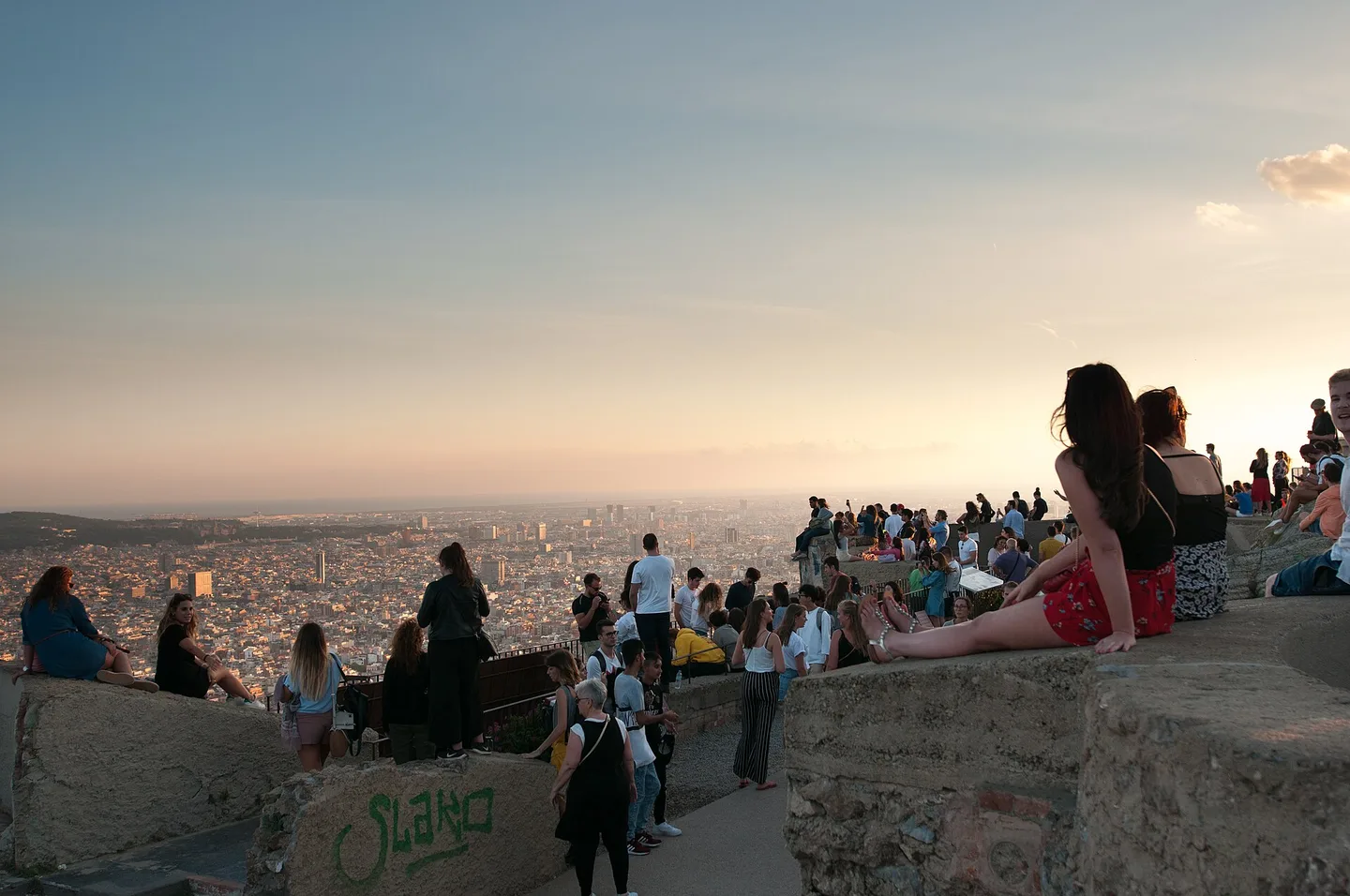
To capture sweeping views from the northern edge of town, make your way towards the Turó de la Rovira. Better known as the Bunkers del Carmel, these hilltop concrete remains offer an unobstructed panorama spanning the Eixample grid, Sagrada Família, and the sea.
Visiting these elevated vantage points in the late afternoon lets you watch shifting light across the tiled roofs. Sea breezes cool the exposed hillsides, making them pleasant resting places after hours spent walking city pavements.
- Select one major interior ticket each morning to leave afternoons open for flexible neighbourhood exploration.
- Walk through El Born and the Gothic alleys during early morning hours before day crowds assemble.
- Pair a trip to Park Güell with a gentle stroll through the quiet public squares of Gràcia.
- Ascend Montjuïc via the funicular or hillside steps for sunset views across the commercial harbour.
- Consult official museum and monument portals directly before heading out for up-to-date admission windows.
Pacing your itinerary across these contrasting districts highlights the true architectural breadth of the Catalan capital. Taking time to pause in quiet squares between monumental sights reveals the everyday life that makes the city so engaging.
Where it is
- 1Barcelona
- Josep Tarradellas Barcelona-El Prat Airport (BCN) · about 13 km from Barcelona in a straight line
- Directions in Google Maps
Stations and taxi ranks: OpenStreetMap. Airports: OurAirports. Distances are in a straight line.
Traveller tips
Real advice from people who have been to Barcelona. Every tip is read by our team before it goes live.
No tips yet. Been here? Yours could be the first.
Thank you! Your tip will appear here after a quick review.
More in Barcelona
Continue exploring Barcelona with related neighbourhood, food, and planning guides
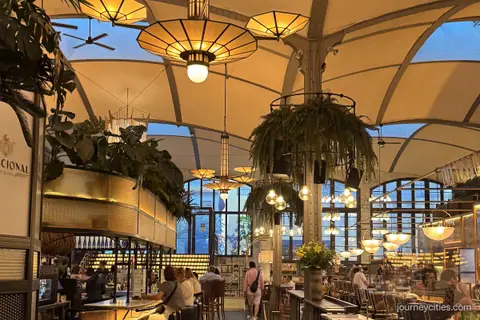
Barcelona in Three Days: Historic Quarters, Modernisme and Panoramic Ridges
Barcelona, Spain
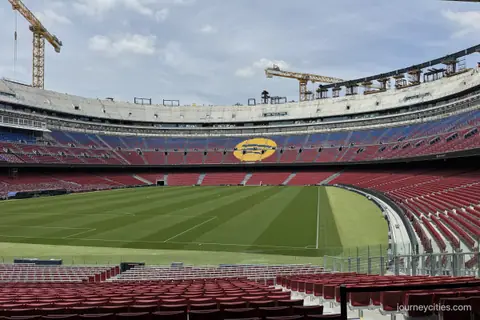
Visiting Spotify Camp Nou and the Barça Museum in Barcelona
Barcelona, Spain
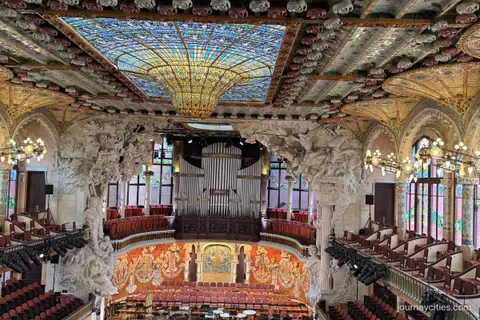
Palau de la Música Catalana: Guided Tours, Skylight and Booking
Barcelona, Spain
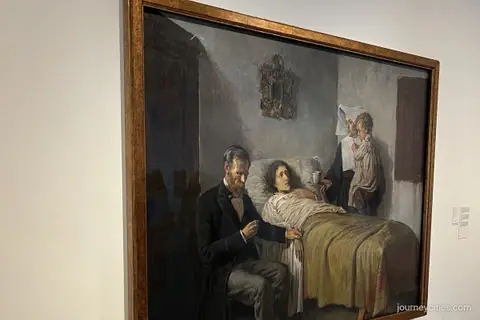
Picasso Museum Barcelona: Medieval Palaces, Early Works and Tickets
Barcelona, Spain
