


























Photo: FunSail1 · CC BY-SA 4.0
Hoi An Beaches Guide: An Bang Beach, Hidden Beach & Cua Dai Coastline
Explore the East Sea coastline near Hoi An Ancient Town, from An Bang Beach's morning basket boats to quiet Hidden Beach and Cua Dai's palm-lined sandbars.
Few UNESCO heritage cities in the world sit close to a long stretch of warm tropical sand. Ride northeast from Hoi An Ancient Town down Hai Ba Trung Street past Cam Chau and Tra Que Vegetable Village. The road ends right at the turquoise waves of the East Sea (South China Sea). Looking out toward the mountainous silhouette of the Cu Lao Cham UNESCO Biosphere Reserve offshore, Hoi An's coastline divides into three distinct beach zones. The coast spans An Bang Beach in the north, Hidden Beach and Tan Thanh in the centre, and palm-lined Cua Dai Beach in the south. Use this coastal guide together with our seasonal weather calendar and our Hoi An accommodation guide.
| Beach Sector | Distance from Ancient Town | Vibe & Shoreline Character | Best Time & Activity |
|---|---|---|---|
| An Bang Beach (North) | 5 km northeast (end of Hai Ba Trung) | Sandy fishing-village lanes, seafood shacks, thatched sunbeds, lively sunset bars | Dawn fish market & swim, or sunset seafood dinner |
| Tan Thanh & Hidden Beach (Central) | 5 km northeast (1.2 km south of An Bang) | Wide uncrowded sand, independent cafes, Saturday artisan flea market | Quiet midday reading under palms & weekend morning market browsing |
| Cua Dai Beach (South) | About 4 km to the north-east of Hoi An Town | Restored sandbars behind offshore submerged breakwaters, tall coconut palms | Morning walks under palms & Cua Dai Pier departure to Cham Islands |
| Ha My Beach (Far North) | North toward Marble Mountains | Serene, powdery white-gold sandbar with minimal commercial development | Half-day bicycle or Grab escape for complete coastal solitude |
An Bang Beach: Dawn Basket Boats, Sandy Lanes, and Seafood Shacks
After winter swells eroded parts of Cua Dai, An Bang Beach (Biển An Bàng) became the town's favourite shoreline. Crucially, local zoning preserved An Bang's low-rise fishing-village fabric. Instead of tall hotel towers casting afternoon shadows over the water, the beachfront behind the sand dunes consists of single-storey wooden verandas. Sea-almond trees, purple morning glory vines, and narrow sandy paths lead back into quiet residential homestays.
Pedal to An Bang at early dawn as the sun rises out of the East Sea behind the peaks of the Cham Islands. At dawn, the water is calm, and hundreds of local residents walk down to swim and practice beach exercises. Fishermen row bamboo basket boats (thuyền thúng) and skiffs ashore to unload mackerel, squid, and blue crabs for morning village buyers.
From mid-morning through sunset, the shoreline operates on a friendly system. Beachfront restaurants and beach clubs set out pairs of cushioned wooden sun loungers under thatched palm-leaf parasols (palapas). Rather than charging a high standalone rental fee, most beachfront kitchens invite you to use a shaded lounger and fresh-water shower for the afternoon. You simply order a fresh young coconut, mango smoothie, or grilled seafood lunch from their menu. Always park your bicycle inside the official staffed parking lot at the end of Hai Ba Trung Street rather than chaining it to a palm tree. Attendants chalk a number on your saddle and guard it all afternoon for a small cash fee.
Tan Thanh Fishing Village and Hidden Beach: The Quiet Central Stretch
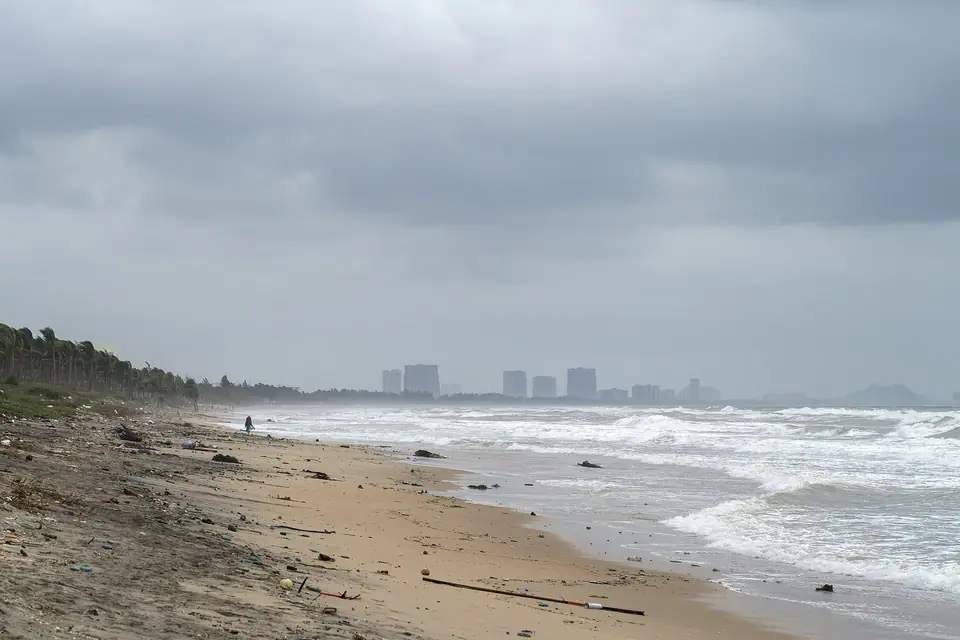
The main entrance plaza of An Bang can feel lively during summer holidays. For a calmer scene, pedal southeast along Nguyen Phan Vinh Street into Tan Thanh and Hidden Beach (Bãi Biển Ẩn). Because day-trip minibuses rarely turn down these narrow residential side alleys, the beach opens out into a wide, uncrowded ribbon of golden sand. Only a handful of family-run wooden deck restaurants set out widely spaced umbrellas.
Tan Thanh has also evolved into Hoi An's creative coastal community hub. On Saturday mornings, the shaded lanes behind the sand host the Tan Thanh Fishing Village Flea Market. Local artisans, bakers, and makers sell sourdough pastries, hand-thrown Thanh Ha ceramics, organic soaps, and vintage clothing to live acoustic music. North toward the Marble Mountains lies Ha My Beach, a quiet crescent of fine sand.
Cua Dai Beach After Coastal Sand Nourishment and Cua Dai Pier
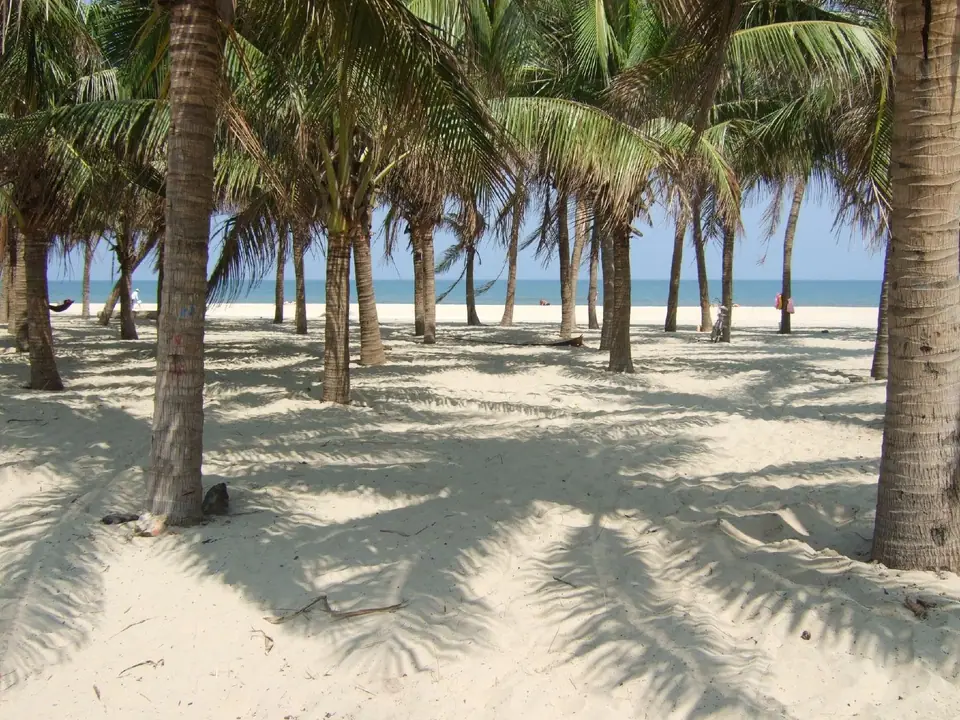
About 4 km to the north-east of the Hoi An Town along Cua Dai Road sits Cua Dai Beach (Biển Cửa Đại, "Great Estuary Beach"). Historically, this strip was famous for its rows of leaning coconut palms and powdery white sand where the Thu Bon River meets the sea. After severe monsoon swells washed away much of the upper beach, Quang Nam Province invested in a major coastal engineering programme. Engineers built a submerged offshore geotextile and stone breakwater and pumped sand back onto the shore.
Wide sandy stretches have returned behind the calm lagoon formed by the offshore breakwater, lined by palm parks and garden resorts. South of the main swimming beach sits Cua Dai Pier, the departure harbour for speedboats to the Cham Islands. To skip afternoon pedalling, ride a green electric buggy from our transport guide between Cua Dai, An Bang, and town.
Seasonal Sea Conditions, Rip-Current Safety, and Beachfront Seafood
Match your beach plans to the seasonal marine calendar in our Hoi An weather guide:
- April to October (Safe Swimming Season). Safe swimming is usually only possible between April and October, with gentle waves ideal for swimming and recreational water activities.
- Late September to January (Northeast Monsoon Swell Season). Strong onshore winds whip up high whitecaps and coastal undertows along An Bang and Cua Dai. Heed red lifeguard flags on the sand and stick to beachfront dining or ankle-deep wading when swells are rough.
- What to Order at An Bang Seafood Shacks. Take a seafront table in the late afternoon for mực nướng sa tế (charcoal-grilled lemongrass squid) and nghêu hấp sả (clams steamed with lemongrass and ginger). Another local favourite is cá nướng giấy bạc, whole snapper baked in banana leaf with turmeric and dill. Pair these coastal platters with the inland dishes in our Hoi An food guide. Pull a linen shirt from our packing guide over your swimwear before cycling back into town for the evening lantern market.
Along the sandy lanes behind An Bang, small family cafes serve chilled coconut water, grilled squid, and fresh tropical fruit platters under woven thatch roofs. Rinsing salt water from your sandals and bicycle chain at the beach showers prevents coastal rust and keeps your ride back through the rice paddies comfortable. Lifeguards mark safe swimming zones with flags along the main public access paths. Swimmers should always stay inside those buoyed lines when afternoon breezes pick up. Bring a cotton sarong, sunscreen, and a dry shirt in your daypack. Those essentials let you move easily from morning ocean dips to a breezy seafood lunch. Late afternoon rides back along Hai Ba Trung Street also pass lotus ponds and grazing water buffalo in warm golden light. Early risers who reach the shoreline around dawn can watch round bamboo basket boats return through the gentle surf with fresh catches of squid. Beachfront bakeries and espresso carts open shortly afterward, serving warm croissants and iced Vietnamese coffee steps from the tide line. Keeping your phone and room key inside a sealed dry bag lets you wade along the sandbars without worry. Rinsing salt water from your sandals at the beachfront foot taps keeps your bicycle pedals clean on the ride home.
Where it is
- 1Hoi An Beaches
- Da Nang International Airport (DAD) · about 21 km from here in a straight line
- Directions in Google Maps
Stations and taxi ranks: OpenStreetMap. Airports: OurAirports. Distances are in a straight line.
Traveller tips
Real advice from people who have been to Hoi An. Every tip is read by our team before it goes live.
No tips yet. Been here? Yours could be the first.
Thank you! Your tip will appear here after a quick review.
More in Hoi An
Continue exploring Hoi An with related neighbourhood, food, and planning guides
Best Time to Visit Hoi An: Dry Season, Flood Months & Full Moon Dates
Hoi An, Vietnam
What to Wear in Hoi An: Temple Dress Codes, Slip-On Shoes & Linen Packing
Hoi An, Vietnam

Where to Stay in Hoi An: Ancient Town, Rice Paddies & An Bang Beach
Hoi An, Vietnam

Hoi An 4-Day Itinerary: Ancient Town, Rice Paddies, My Son & Cham Islands
Hoi An, Vietnam
