


























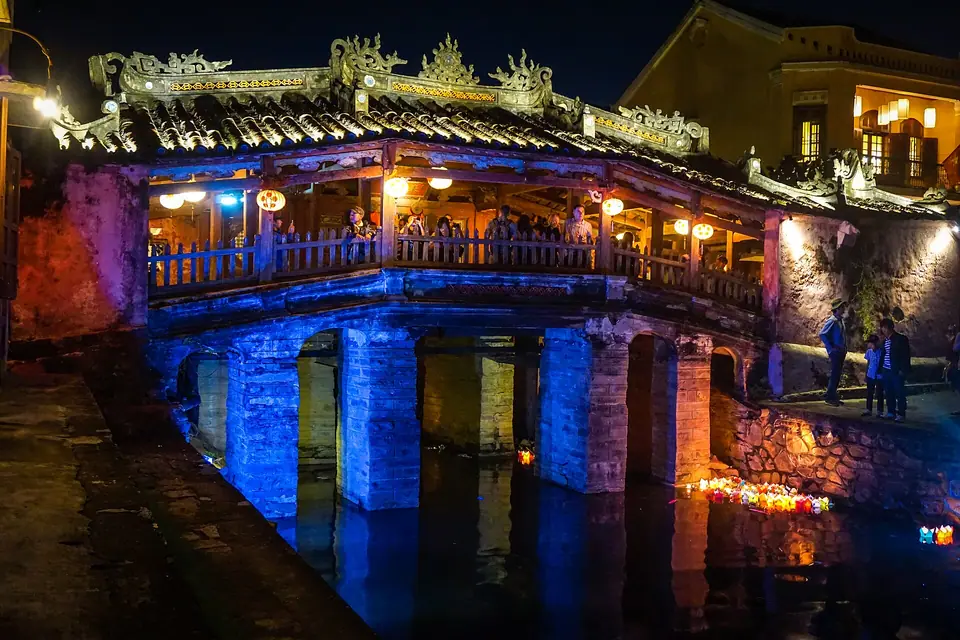
Photo: katiebordner · CC BY 2.0
Hoi An Museums Guide: Trade Ceramics, Sa Huynh Culture, Folklore & Réhahn
Use your Heritage Ticket coupons at the Museum of Trade Ceramics (80 Tran Phu) and Sa Huynh Culture Museum (149 Tran Phu). The pass also covers the Museum of Folk Culture, while Réhahn's Precious Heritage Art Gallery Museum is free.
Many visitors use all five coupons of their Ancient Town Heritage Ticket on merchant houses and assembly halls. Saving one or two coupons for Hoi An's thematic museums adds vital historical depth to everything you see along the streets. Hoi An's municipal museums occupy restored nineteenth-century wooden shophouses and colonial mansions along Tran Phu and Nguyen Thai Hoc streets. Inside their airy timber courtyards, archaeological finds dredged from the Thu Bon riverbed and offshore shipwrecks trace two millennia of maritime trade. Their exhibits trace how the 2,000-year-old Iron Age Sa Huynh Culture evolved into the Champa port of Lâm Ấp Phố and seventeenth-century Faifo. Better still, photographer Réhahn's Precious Heritage Art Gallery Museum is completely free to enter without a ticket coupon. Pair these museum stops with midday shade breaks on our 4-day Hoi An itinerary.
| Museum Name | Street Address | Entry Rule | Star Exhibits & Architectural Setting |
|---|---|---|---|
| Museum of Trade Ceramics | 80 Tran Phu Street | 1 Heritage Ticket coupon | 13th to 17th-century pottery fragments and trade porcelain in a traditional wooden house |
| Museum of Sa Huynh Culture & Revolution | 149 Tran Phu Street | 1 Heritage Ticket coupon | 2,000-year-old Iron Age terracotta burial jars, bronze axes & two-headed jade lingling-o |
| Museum of Folk Culture (Văn Hóa Dân Gian) | 33 Nguyen Thai Hoc / Bach Dang | 1 Heritage Ticket coupon | Largest two-storey wooden house in the ancient town (57 m long); traditional fishing, weaving & opera artefacts |
| Precious Heritage Museum by Réhahn | Phan Boi Chau Street | Free admission (no coupon required) | Authentic tribal garments, portraits, and textiles from ethnic communities across Vietnam |
| Hoi An Museum of History & Culture | 10B Tran Hung Dao (Quan Am Pagoda) | 1 Heritage Ticket coupon | Champa sandstone sculptures, seventeenth-century anchors & Dai Viet bronze bells |
Museum of Trade Ceramics (Bảo Tàng Gốm Sứ Mậu Dịch, 80 Tran Phu)
The Museum of Trade Ceramics at 80 Tran Phu occupies a two-storey building with a courtyard and an anteroom, all open to visitors. The building itself is a notable example of a traditional Hoi An wooden townhouse with an open skywell courtyard. Display cases hold around 430 ceramic artifacts that testify to the ancient maritime trade network, excavated beneath town streets and retrieved from shipwrecks.
Walking chronologically through the ground-floor and upper-gallery wooden rooms reveals why historians call the East Sea the "Maritime Ceramic Road". Most pottery fragments displayed in the museum date from between the thirteenth and seventeenth centuries. During that era, the port served as a thriving regional exchange hub:
- Vietnamese Chu Dau Blue-and-White Porcelain. Northern Vietnam's historic kilns fired these cobalt-painted plates and ewers, which were salvaged from a shipwreck off the Cham Islands. The recovered vessels travelled widely along Asian coastal trading routes.
- Japanese Hizen Ware & Chinese Celadon and Jingdezhen Porcelain. Trading ships from various nations used Faifo as a neutral marketplace to exchange decorative wares. Merchants traded Japanese Hizen porcelain beside Chinese white porcelain and early Middle Eastern earthenware fragments.
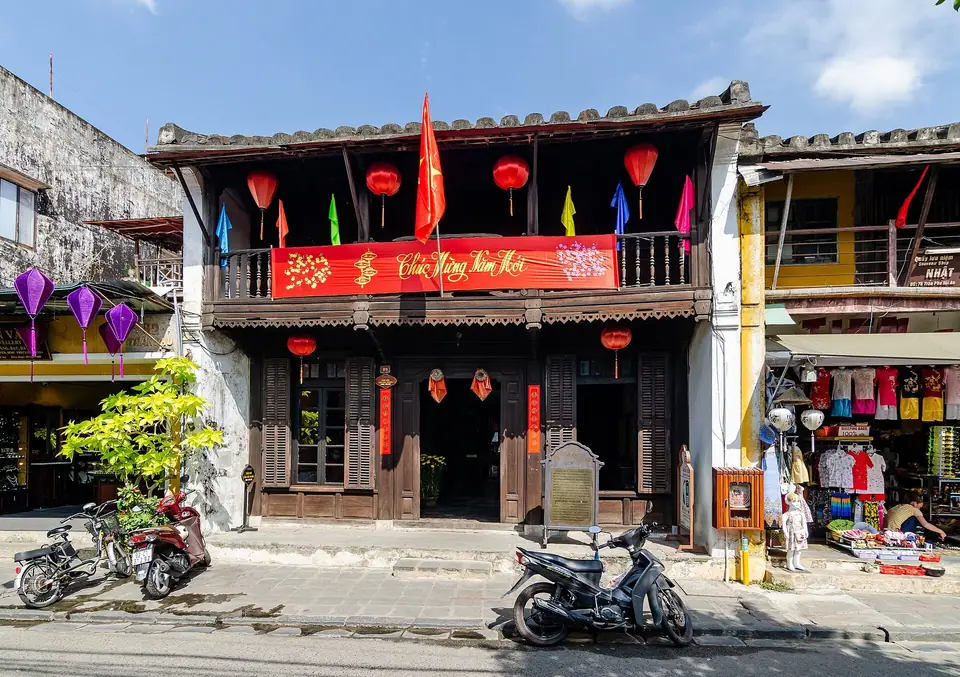
Museum of Sa Huynh Culture (Bảo Tàng Văn Hóa Sa Huỳnh, 149 Tran Phu)
Two hundred metres west near the Japanese Covered Bridge stands the historic building at 149 Tran Phu Street. Founded in 1994, it houses the Museum of Sa Huynh Culture on its ground floor and the Museum of the Revolution upstairs. Even seasoned travellers who know about the Champa Kingdom are often surprised by what lies inside. Hoi An's estuary was already home to an active civilization two thousand years ago.
The collection displays 971 artifacts of a civilization that flourished 2,000 years ago. Those holdings include 216 exhibits gathered from Hau Xa, Thanh Chiem, An Bang, and Xuan Lam villages. These ancient coastal residents produced elaborate metalwork and pottery. The centrepiece of the gallery is the collection of 200 funerary jars from 50 different sites buried upright in sandy coastal ground. Inside these clay urns, archaeologists found iron tools, glass beads, and bronze mirrors. Inspect the signature prehistoric jewellery of the culture, including stone ornaments and distinctive ear pendants.
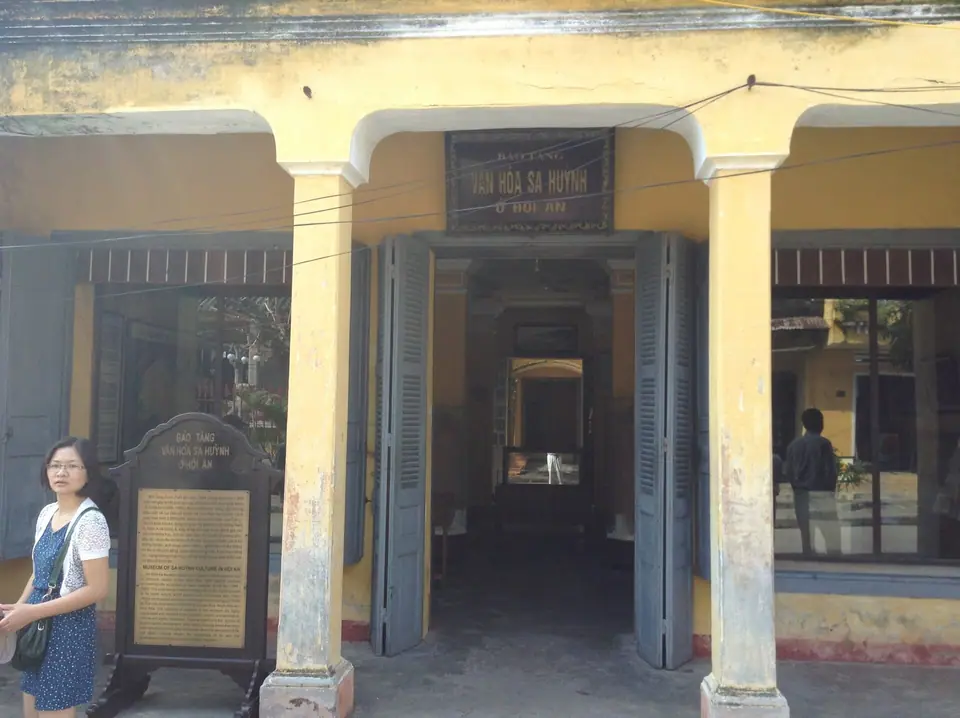
Museum of Folk Culture (Bảo Tàng Văn Hóa Dân Gian, 33 Nguyen Thai Hoc)
Opened on 3 March 2005, the Museum of Folk Culture occupies the largest wooden two-storey house in the ancient town. Measuring 57 metres in length by 9 metres in width, the house fronts the two parallel streets of Nguyen Thai Hoc and Bach Dang. It uses one Heritage Ticket coupon and showcases everyday intangible traditions on its second floor, where 483 artifacts cover four main topics across 369 square metres:
- Traditional Performing Arts & Sacred Masks. Upstairs displays feature historic festival gear, theatrical costumes, and folk game materials. They highlight Bài Chòi, inscribed on the UNESCO Representative List of Intangible Cultural Heritage in Ð17.
- Craft Guild & Fishing Village Life. Exhibits and historic tools illustrate Thanh Ha pottery traditions and Kim Bong woodworking. Visitors can also inspect traditional fishing gear, weaving equipment, and historic herbal medicine implements.
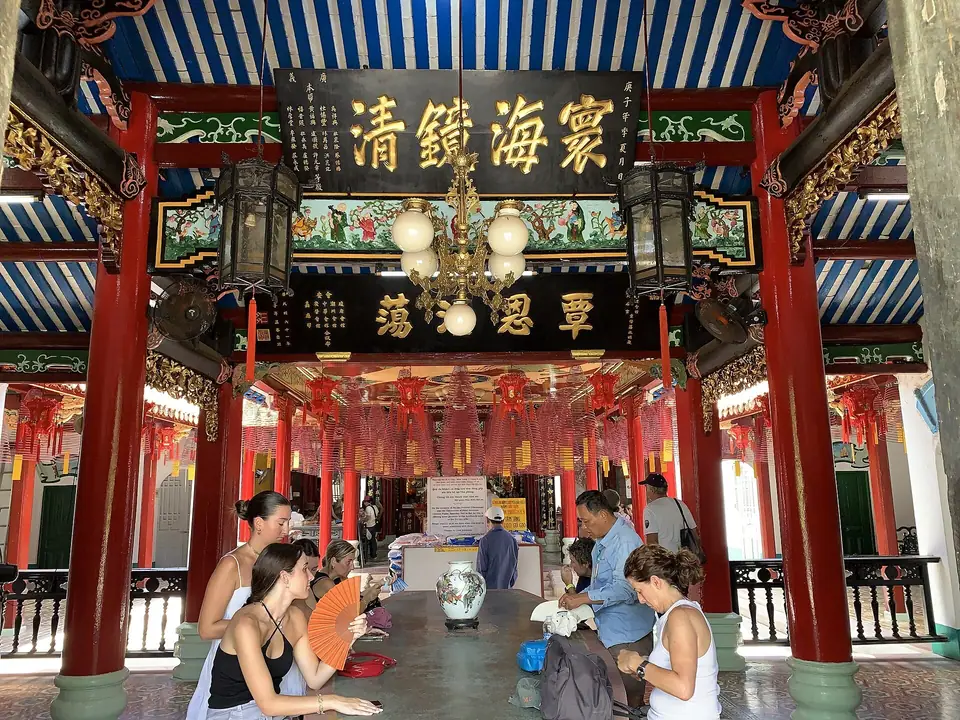
Precious Heritage Art Gallery Museum by Réhahn (Free Entry)
Walk east of the Central Market along tranquil Phan Boi Chau Street in the French Quarter. There you can visit the Precious Heritage Museum established by French photographer Réhahn, which welcomes visitors with completely free admission. Réhahn captured his renowned portrait Hidden Smile of Madam Bui Thi Xong in Hoi An in the summer of 2011. This spacious heritage gallery showcases the cultural dress and living traditions of ethnic groups across Vietnam.
Across the gallery rooms stand authentic traditional tribal costumes, textiles, and documentary photographs collected during extensive fieldwork. Because the museum offers air-conditioned galleries and free entry, it makes a comfortable midday stop. Pair your visit with our Hoi An cafes and tea houses guide or a noodle lunch from our Hoi An food guide. Remember to wear slip-on sandals from our packing guide for historic wooden interiors across the old town. Explanatory panels inside each town gallery provide helpful historical context for the settlement's trading history. You see how river trade and regional shipping networks shaped its rise and development over the centuries. Upstairs timber balconies also offer quiet vantage points over the tiled roofs and courtyard walls of Tran Phu Street. Taking photographs without flash protects delicate exhibits and glazed ceramic shards from light damage. Visiting two galleries in the morning and saving further exhibitions for the warm mid-afternoon hours keeps museum exploration unhurried. Inside the courtyard of the Trade Ceramics Museum, notice how the walkways and open lightwell reflect traditional residential design. Families travelling with curious readers will find the illustrated maps of maritime routes and regional fishing gear engaging. Stepping back onto Tran Phu Street afterward, every historic facade and market display carries richer meaning for observant travellers exploring the ancient port. Reading the bilingual display panels in sequence from the ground floor upward clarifies how maritime trade shaped local life. Pausing on the upper wooden balconies lets you compare historic roof trusses with the streetscape outside the windows. Each collection adds valuable historical context before you visit the surrounding assembly halls and merchant homes. Quiet morning hours inside these four galleries offer a cool break from the sunny riverfront pavements. Taking unhurried notes inside the ceramic and folklore rooms enriches every walk through the surrounding historic streets and assembly halls. Stepping out onto the quiet courtyard verandas afterward offers a peaceful pause above the pedestrian lanes.
Where it is
- 1Hoi An Museums
- Da Nang International Airport (DAD) · about 23 km from here in a straight line
- Directions in Google Maps
Stations and taxi ranks: OpenStreetMap. Airports: OurAirports. Distances are in a straight line.
Traveller tips
Real advice from people who have been to Hoi An. Every tip is read by our team before it goes live.
No tips yet. Been here? Yours could be the first.
Thank you! Your tip will appear here after a quick review.
More in Hoi An
Continue exploring Hoi An with related neighbourhood, food, and planning guides
Marble Mountains, Lady Buddha & Hai Van Pass Day Trip from Hoi An
Hoi An, Vietnam
Hoi An Coffee Culture: Specialty Roasters, Rooftop Cafes & Tea Houses
Hoi An, Vietnam
What to Eat in Hoi An: Cao Lau Noodles, Banh Mi, White Rose & Food Guide
Hoi An, Vietnam
Hoi An: UNESCO Ancient Town Ticket, Pedestrian Hours & Layout
Hoi An, Vietnam
