


























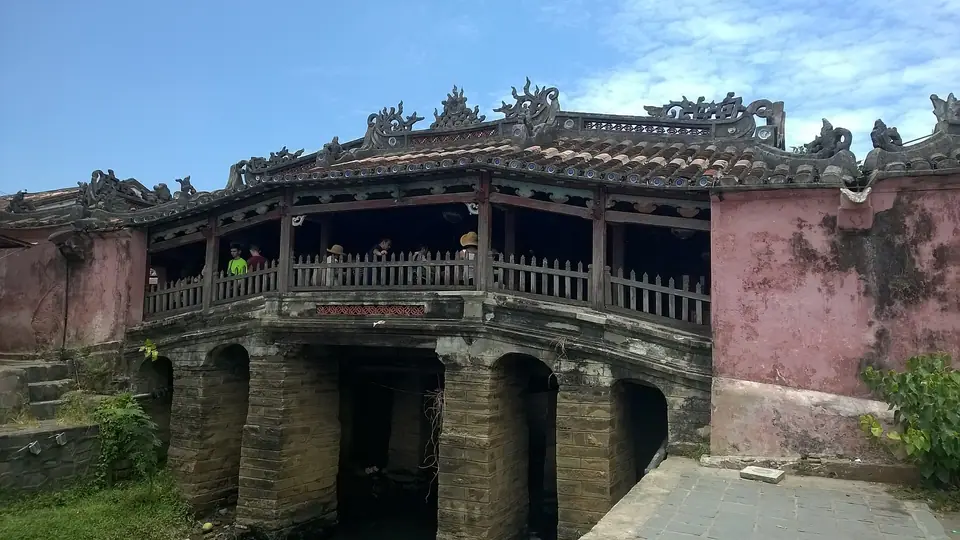
Photo: Vuong Tri Binh · CC BY-SA 4.0
Cham Islands (Cu Lao Cham) Day Trip: Biosphere Reserve & Snorkelling
Cross 15 kilometres offshore from Cua Dai Beach to the eight islands of the Cu Lao Cham UNESCO Biosphere Reserve.
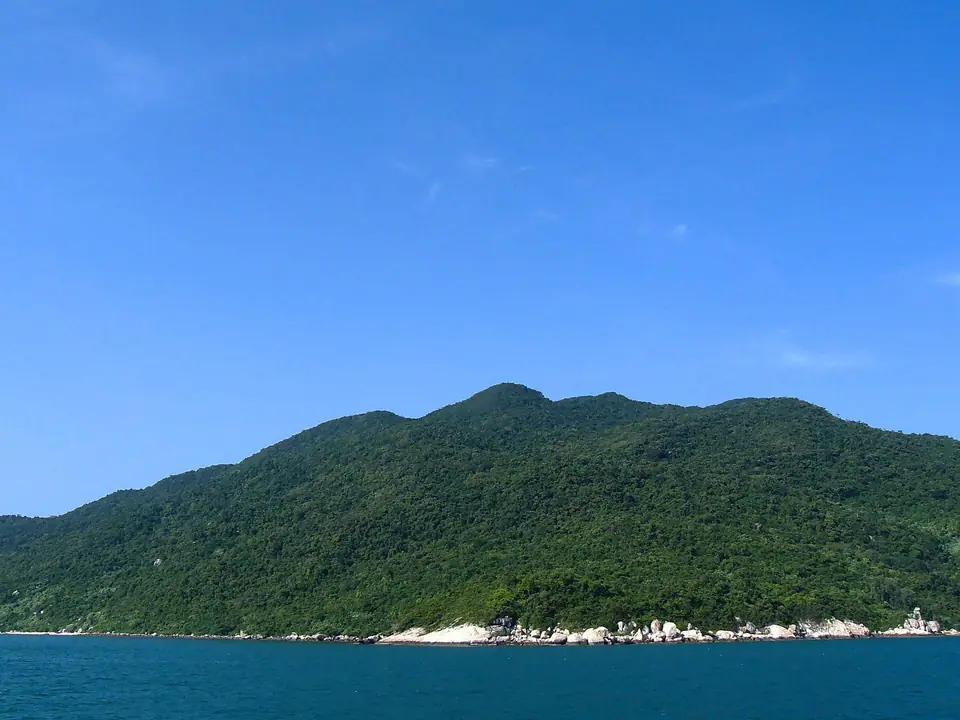
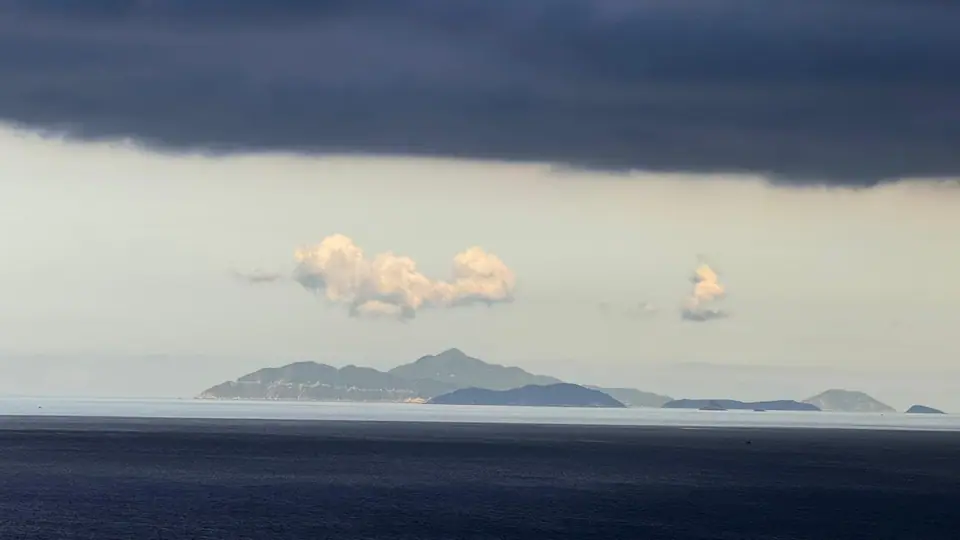
Stand on the sand at An Bang or Cua Dai Beach on a clear morning. Across the horizon rises a cluster of forested granite peaks 15 kilometres (8 nautical miles) offshore in the East Sea. This eight-island archipelago is Cu Lao Cham, designated by UNESCO in 2009 as a World Biosphere Reserve of rainforest and coral reefs. Historically, the islands served as the fresh-water resupply anchorage for seventeenth-century merchant junks bound for Hoi An Ancient Town. From March to September, a Cua Dai boat ride reaches plastic-free islands with transplanted coral colonies, Champa wells, and palm beaches. Pair this island excursion with our comprehensive Hoi An guide.
| Island Stop / Reef | Location on Hon Lao (Main Island) | Primary Highlight | Water Depth & Activity |
|---|---|---|---|
| Bai Lang Fishing Village | Northwest harbour pier of Hon Lao | Marine Protected Area Museum, Hai Tang Pagoda & Champa Well | Harbour arrival walk & cultural village circuit |
| Hon Dai & Bai Xep Coral Reefs | Sheltered southwestern & western coves | Hard staghorn & brain corals, sea anemones, clownfish, parrotfish | 2 to 6 m depth; guided boat snorkelling & scuba diving |
| Bai Chong Beach (Bãi Chồng) | Central western coast of Hon Lao | Stacked rounded granite boulders, freshwater mountain stream, palm hammocks | Calm swimming bay & barefoot seafood lunch under coconut palms |
| Bai Ong & Bai Huong | Northwestern & southern coves | Curved white-sand bay (Bai Ong) & quiet traditional fishing hamlet (Bai Huong) | Relaxed swimming, homestay lunches & forest hammock naps |
The Eight Granite Islands and Strict Single-Use Plastic Bag Ban
The Cu Lao Cham archipelago consists of eight small islands stretching along a green bow. More than 2,900 people live separately from the mainland, including fishing communities at Bai Lang and Bai Huong. Other granite islets include Hon Dai, Hon Mo, Hon Kho Me, Hon Kho Con, Hon La, Hon Tai, and Hon Ong. The steep cliffs of the outer islands are famous across Vietnam as the nesting habitat of swiftlets. Harvesters climb bamboo scaffolding inside the sea caves to gather prized edible bird's nests (yến sào Cù Lao Chàm).
Before boarding at Cua Dai Pier (5 kilometres east of town), note the strict environmental rule enforced at the coastguard gate. Cu Lao Cham residents stopped using plastic bags starting from mid-2009 to preserve environmental hygiene. Leave plastic bags at your hotel and pack a metal water bottle, cloth tote, and reef-safe sunscreen per our packing guide.
Exploring Bai Lang Village: The Champa Well and Hai Tang Pagoda
After coastguard ID registration, speedboats depart Cua Dai Pier and cross the channel in about 30 minutes. Boats dock at the crescent pier of Bai Lang, the main administrative and fishing village on Hon Lao. Before boarding your wooden snorkelling boat, spend time walking the traffic-free village lanes:
- Cu Lao Cham Marine Protected Area Exhibition Room. Right behind the pier, this small museum maps the biosphere's coral species, marine habitats, seagrass meadows, and sea-turtle conservation projects.
- The Ancient Champa Well (Giếng Cổ Champa / Xom Cam Well). Built during the 17th and 18th centuries by island dwellers near the tide line, this cylindrical brick well has a square wooden base frame. It has never run dry even during the driest summer months. Merchant junks prized this sweet mineral water for brewing tea and mixing the lye-ash dough described in our Hoi An food guide.
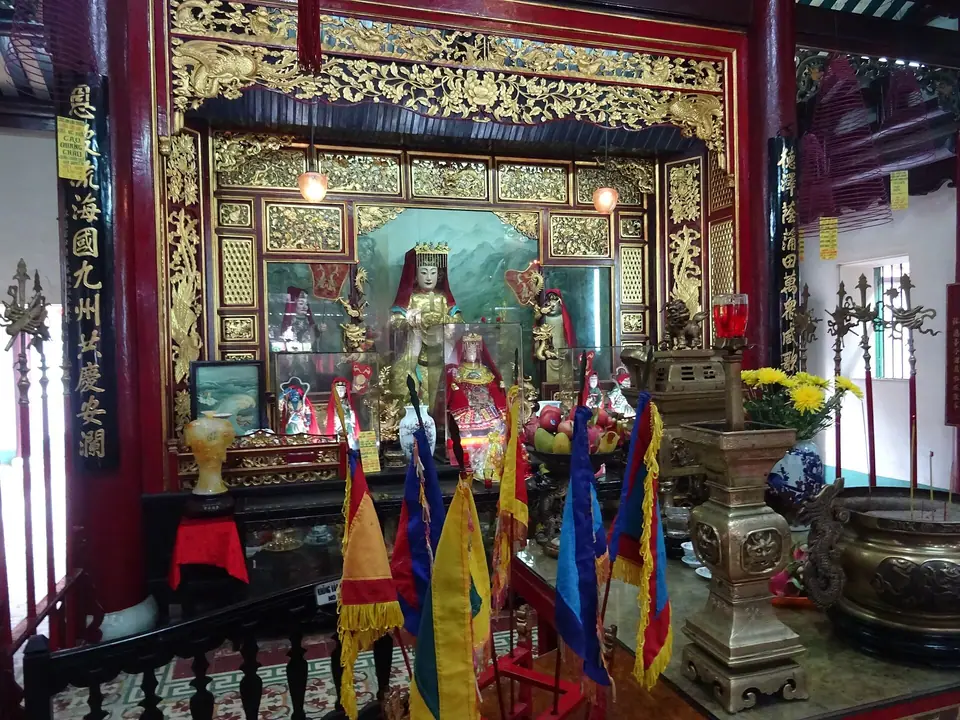
- Hai Tang Pagoda (Chùa Hải Tạng). Follow the concrete footpath across the small rice paddy at the foot of the western hillside to reach this peaceful historic pagoda. Built in the 17th or 18th century, its name combines Hải (the vast ocean) and Tạng (the Buddhist Tripitaka scriptures). Inside stands a lacquered wooden statue of Bodhisattva Avalokiteshvara (Quan Am) on a lotus pedestal, where fishermen pray for calm seas.
Snorkelling and Diving at Hon Dai, Bai Xep, and Hon Tai
From Bai Lang pier, boats run south along the granite cliffs to two marine zones closed to fishing nets:
- Hon Dai (Long Island) & Bai Xep Reefs. Sheltered from open-ocean swells by the long granite arm of Hon Dai, these shallow rocky shelves drop gradually from 1.5 metres to 6 metres deep. Surface snorkelers wearing a mask, snorkel, and life vest float directly above table corals, brain corals, and purple sea fans. Giant clams and swaying sea anemones shelter orange clownfish, blue-spotted stingrays, and neon damselfish.
- Certified Scuba Diving & Conservation Walks. PADI and SSI dive centres based in Hoi An run morning dive boats between March and September. Boats visit deeper granite wall sites off Hon Tai and Hon Mo, offering views of flourishing marine life. We strongly advise choosing traditional fin snorkelling or certified scuba diving rather than commercial helmet "sea-walking", as walking on the seabed can disturb fragile coral polyps.
Barefoot Seafood Lunches at Bai Chong and Seasonal Crossing Rules
Around midday, boats anchor at Bai Chong (Bãi Chồng) or Bai Ong (Bãi Ông). Both crescent white-sand beaches are framed by rounded granite boulders piled one atop another, which gave Bai Chong its name, "Stacked Rocks Beach". A cold freshwater stream tumbles down from the rainforest interior into the bay. Under open-air bamboo pavilions shaded by tall coconut palms, island families serve a fresh lunch of grilled reef fish with green mango and steamed squid. Tables also share wild mountain greens (rau rừng) and triangular bánh ít lá gai sticky rice cakes filled with mung bean paste.
Before planning a Cu Lao Cham trip, check our Hoi An seasonal weather guide. Speedboats run reliably every day from March through early September, peaking in June, July, and August when seas are glass-calm. Between October and February, high northeast monsoon swells frequently lead the Cua Dai Port Authority to suspend tourist boat crossings for safety. On rough winter days, substitute our Marble Mountains trip or view the Cham Islands shipwreck porcelain at the Trade Ceramics Museum. Before boarding at Cua Dai Pier, pack a dry change of clothes, a microfibre towel, and motion-sickness tablets if you are sensitive to choppy open-water crossings. On Bai Lang, local families dry wild forest herbs and weave durable hammock nets in the shade of stone sea walls. Snorkellers can protect the fragile coral gardens by floating horizontally above shallow bommies and never standing on live reef ledges or touching giant clams. Fresh water showers at Bai Ong let you rinse off sea salt after swimming. Afterward, sit down to grilled fish, wild jungle greens, and steamed rice under the palms. Returning to the mainland by mid-afternoon leaves plenty of daylight for a quiet rest at your hotel before dinner. Because the biosphere reserve strictly bans single-use plastic bags, transfer snacks and sunscreen tubes into reusable cloth pouches before arriving at Cua Dai check-in counters. Walking the quiet harbour lane of Bai Lang after lunch reveals ancient stone wells, coral-block garden walls, and wooden fishing sampans painted with protective eyes. Picking up a packet of dried forest tea leaves from island grandmothers supports village households directly and makes a fragrant souvenir of your offshore trip. Bringing a reusable metal water bottle supports the island community waste rules and keeps drinking water cool all morning. Listening to the boat crew briefing before entering the water ensures a safe swim above the shallow reefs.
Where it is
- 1Cham Islands (Cu Lao Cham) Day Trip
- Da Nang International Airport (DAD) · about 34 km from here in a straight line
- Directions in Google Maps
Stations and taxi ranks: OpenStreetMap. Airports: OurAirports. Distances are in a straight line.
Traveller tips
Real advice from people who have been to Hoi An. Every tip is read by our team before it goes live.
No tips yet. Been here? Yours could be the first.
Thank you! Your tip will appear here after a quick review.
More in Hoi An
Continue exploring Hoi An with related neighbourhood, food, and planning guides
My Son Sanctuary Day Trip from Hoi An: Champa Hindu Temples at Sunrise
Hoi An, Vietnam
Thanh Ha Pottery Village, Kim Bong Carpentry & Hoi An Lantern Making
Hoi An, Vietnam

Hoi An Museums Guide: Trade Ceramics, Sa Huynh Culture, Folklore & Réhahn
Hoi An, Vietnam
Marble Mountains, Lady Buddha & Hai Van Pass Day Trip from Hoi An
Hoi An, Vietnam
