


























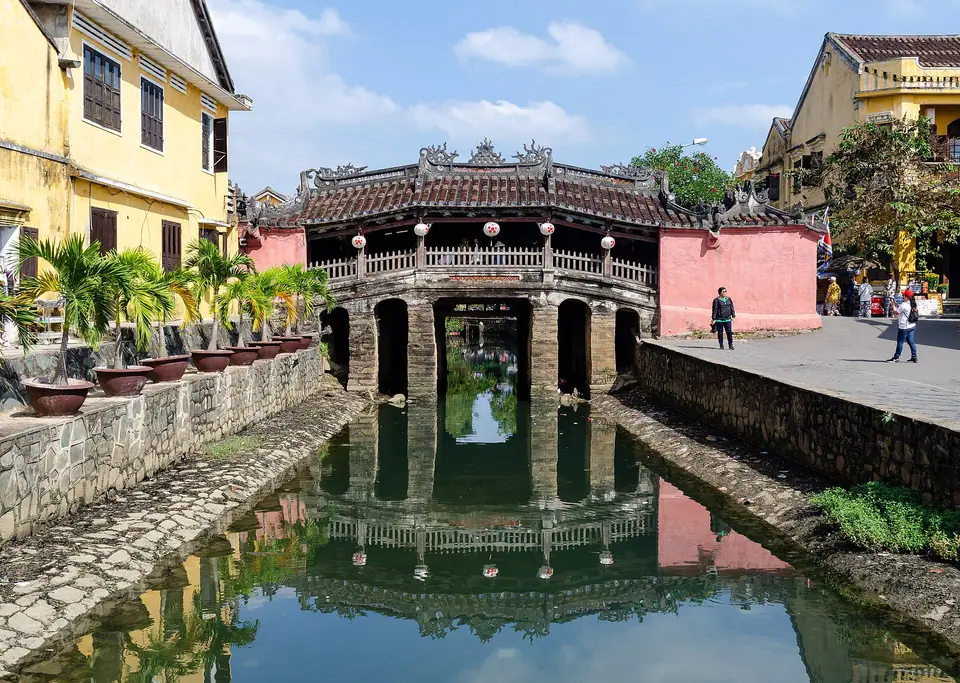
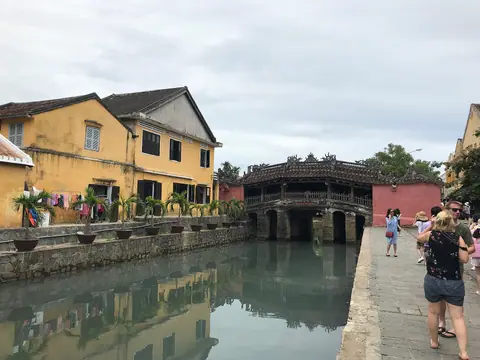
Photo: Steffen Schmitz (more photos) · CC BY-SA 4.0
Hoi An: UNESCO Ancient Town Ticket, Pedestrian Hours & Layout
Navigate UNESCO-listed Hoi An Ancient Town with our guide to the historic port of Faifo and the 5-coupon Heritage Ticket. We also cover daily motor-free pedestrian hours and cycling paths to the coast.
Hoi An Ancient Town rests on the northern bank of the lower Thu Bon River in Quang Nam Province. Its compact streets feel remarkably human in scale compared with Hanoi or Ho Chi Minh City. UNESCO inscribed the town as a protected heritage site, guarding its historic core and surrounding river islands. International navigators previously knew this estuary harbour as Faifo (Hội An Phố). Merchant junks from southern China, Edo-period Japan, the Dutch East India Company, Portugal, and India rode the winter northeast monsoon into the river mouth. They waited months for the summer southwest winds to sail home. During those layovers, foreign guilds leased riverfront plots and built timber-framed merchant shophouses, clan temples, pagodas, and bridges. When the Thu Bon channel silted up in the late nineteenth century, French engineers built the deep-water port thirty kilometres north at Da Nang. That shift spared Hoi An from industrial demolition. Use this orientation guide together with our top things to do in Hoi An and our 4-day Hoi An itinerary.
| Geographic Zone | Primary Streets & Landmarks | Distance from Bridge | Ideal Transport Mode |
|---|---|---|---|
| UNESCO Ancient Town Core | Tran Phu, Nguyen Thai Hoc, Bach Dang Quay, Merchant Houses | Central flat grid | On foot during pedestrian hours |
| An Hoi Islet & Cam Nam | Nguyen Hoang Night Market, Bridge of Lights, clam villages | South of the river | Walking or bicycle across bridges |
| Cam Chau & Cam Thanh | Tra Que Vegetable Village, rice paddies, Bay Mau coconut forest | 2.5 to 5 km northeast | Hotel bicycle or green electric buggy |
| Coastal Strip & Islands | An Bang Beach, Hidden Beach, Cua Dai, Cua Dai Pier | Northeast coast | Bicycle ride or Grab car |
How the Historic Trading Port of Faifo Is Laid Out
Understanding Hoi An's street layout takes less than ten minutes. The entire UNESCO core follows a compact west-to-east rectangle hugging the northern bank of the Hoai River, a narrow channel of the wider Thu Bon River. Parallel east-west streets form the architectural spine of the old port. Short north-south cross lanes such as Le Loi, Hoang Van Thu, and Tran Quy Cap link them together:
- Tran Phu Street (The Sacred & Guild Spine). Originally the main market street of seventeenth-century Faifo, Tran Phu runs east from the Japanese Covered Bridge to the Central Market. It holds the five grand Chinese Assembly Halls (Hội Quán), Quan Cong Temple, the Sa Huynh and Trade Ceramics museums, and historic terracotta-rooftop coffee houses.
- Nguyen Thai Hoc Street (The Merchant Warehouse Spine). Running one block south of Tran Phu, this street evolved in the eighteenth and nineteenth centuries as two-storey wooden shophouses backed onto the deeper channel. Properties like Tan Ky Old House and the Museum of Folk Culture connect Nguyen Thai Hoc to Bach Dang through internal stone courtyards. Merchants used those courtyards to winch silk and ceramic crates straight up from river barges.
- Bach Dang Street (The Hoai River Quay). The southernmost waterfront promenade faces the wooden rowboat moorings and the pedestrian Footbridge of Lights (Cầu An Hội). That bridge leads across to An Hoi Islet, where the evening Nguyen Hoang Night Market operates. At the eastern end of Bach Dang sits Hoi An Central Market (Chợ Hội An), where riverside produce barges unload every dawn.
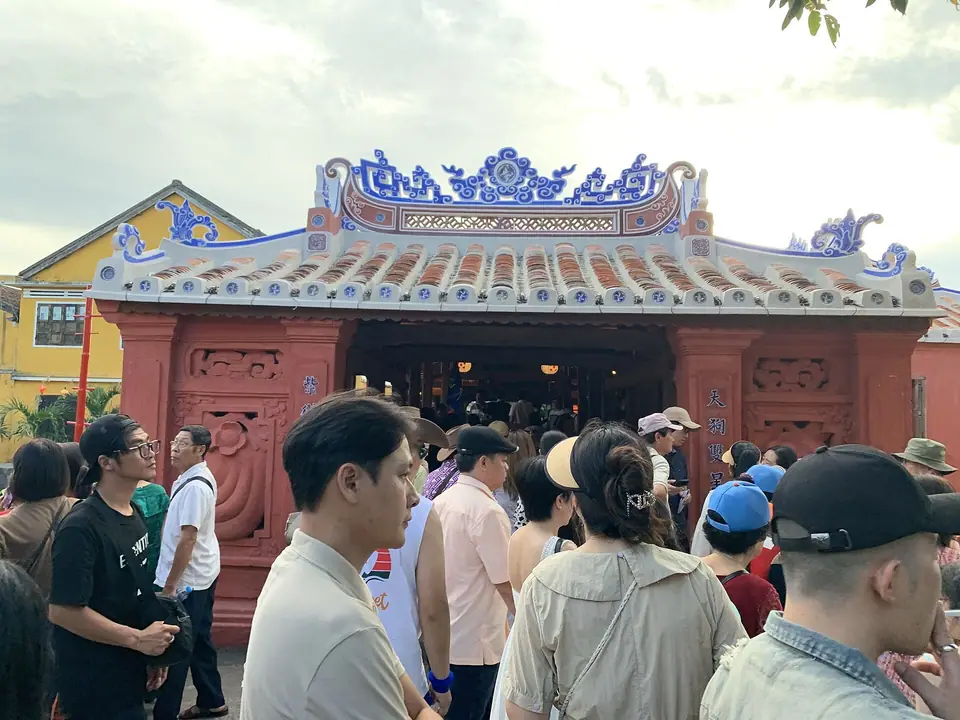
How the 5-Coupon Ancient Town Heritage Ticket Works Across Monuments
Preservation of Hoi An's privately owned timber houses and clan temples is funded through the official Ancient Town Heritage Ticket. The system is managed by the Hoi An Centre for Cultural Heritage Management and Preservation. Rather than charging at every doorway, the municipality operates bright yellow wooden ticket kiosks at perimeter intersections around the old quarter. You will spot booths at the approaches to the Japanese Covered Bridge, Le Loi Street, and the An Hoi footbridge. Keep these four operational rules in mind when using your ticket:
- Five Perforated Coupons for Protected Sights. Each Heritage Ticket comes as a perforated card with one main pedestrian-zone pass plus five detachable entry coupons. The ticket covers five designated attractions across the town. These sights include museums, merchant houses, Chinese assembly halls, clan chapels, Quan Cong Temple, and the Japanese Bridge shrine. Your ticket also covers a traditional music performance and a handicraft workshop. You detach one coupon per doorway to enter any five sights of your choice.
- Multi-Day Validity Across Your Stay. Each coupon is detached at a monument door, yet the Heritage Ticket card remains valid across your stay. Keep the stub in your pocket when re-entering pedestrian streets on later days, and check the official booth board for current rules.
- Free Architectural Sights vs Ticketed Interiors. Walking the outdoor streets, crossing An Hoi bridge, browsing the Central Market, and visiting the Precious Heritage Museum at 26 Phan Boi Chau are free. You surrender a coupon when entering listed ticketed monuments.
- Recommended Five-Coupon Selection. Visitors get a balanced overview by choosing one sight from each category. Use two coupons for Tan Ky Old House and the Japanese Covered Bridge, plus three for the Fujian Hall, Cantonese Hall, and Trade Ceramics Museum.

Daily Motor-Free Pedestrian Hours and Quiet Early Morning Strategy
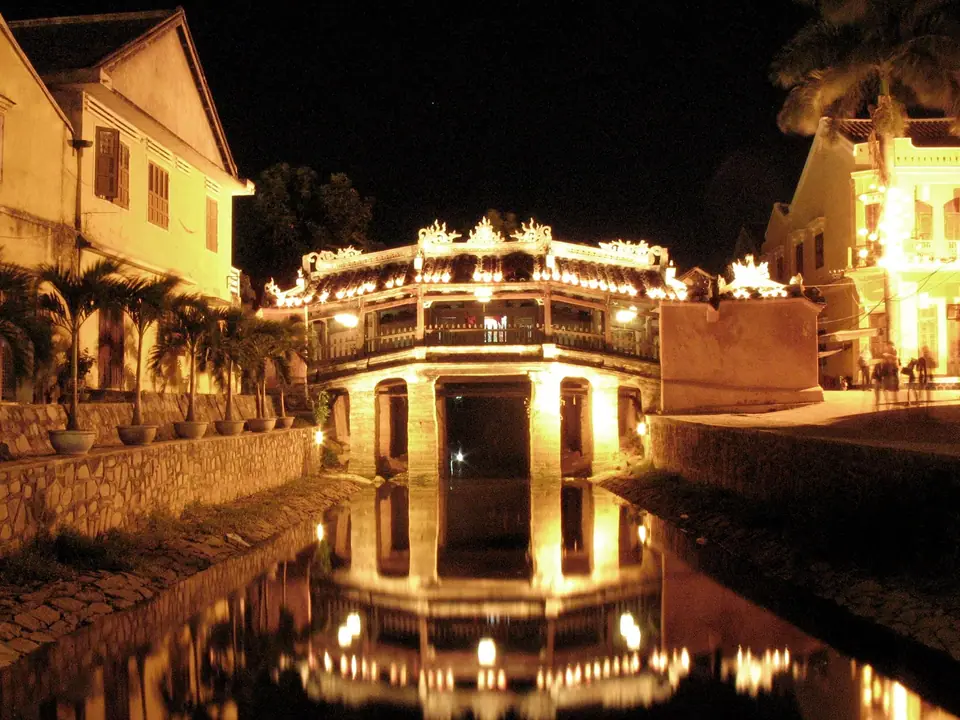
One of Hoi An's greatest pleasures is its daily vehicle exclusion policy. Every day of the year, municipal wardens place barriers across the entrances to Tran Phu, Nguyen Thai Hoc, Bach Dang, and central Le Loi. These barriers ban petrol motorbikes, scooters, and cars during designated pedestrian and non-motorised hours. Motor-free blocks run during the morning and early afternoon sightseeing window and resume from mid-afternoon through late evening. Check the roadside heritage signs for seasonal summer and winter hour adjustments. During these windows, pedestrians and bicycles use the streets, turning the riverfront into a quiet lantern-lit promenade.
For photographers and architecture lovers, early morning is ideal. At dawn, day-trip coaches from Da Nang have not yet arrived, and incense smoke curls out of open shophouse doorways. Residents practice tai chi beside the Japanese Covered Bridge while sunlight illuminates the moss-covered yin-yang roof tiles (ngói âm dương).
Cycling Between Town, Rice Paddies, and Coast Plus Cash and Tailoring Rules
Because the floodplain between the Thu Bon River and the East Sea is flat, a single-speed bicycle links every neighbourhood effortlessly. Almost every hotel in our Hoi An accommodation guide provides free bicycles with locks. Pedal north along Hai Ba Trung Street for fifteen minutes through Cam Chau to Tra Que Vegetable Village and An Bang Beach.
Handle practical tasks early. Visit your tailor promptly so the workshop has enough time for fittings as detailed in our custom tailoring guide. Carry small Vietnamese Dong notes for ticket booths, market noodle stalls, and river boats, and check our packing guide and Da Nang airport transfer guide. Keeping printed tickets and small cash notes in a waterproof pouch makes crossing pedestrian checkpoints and boarding river ferries effortless throughout your stay. Taking an afternoon break in a shaded courtyard garden keeps your energy high for lantern-lit riverside strolls after dusk.
Where it is
- 1Hoi An
- Da Nang International Airport (DAD) · about 24 km from Hoi An in a straight line
- Directions in Google Maps
Stations and taxi ranks: OpenStreetMap. Airports: OurAirports. Distances are in a straight line.
Traveller tips
Real advice from people who have been to Hoi An. Every tip is read by our team before it goes live.
No tips yet. Been here? Yours could be the first.
Thank you! Your tip will appear here after a quick review.
More in Hoi An
Continue exploring Hoi An with related neighbourhood, food, and planning guides

Hoi An Custom Tailors & Shoemakers Guide: 3-Fitting Timeline & Silk Fabrics
Hoi An, Vietnam
Tra Que Vegetable Village, Cam Thanh Coconut Palms & Hoi An Cycling Guide
Hoi An, Vietnam
Hoi An Beaches Guide: An Bang Beach, Hidden Beach & Cua Dai Coastline
Hoi An, Vietnam

My Son Sanctuary Day Trip from Hoi An: Champa Hindu Temples at Sunrise
Hoi An, Vietnam
