


























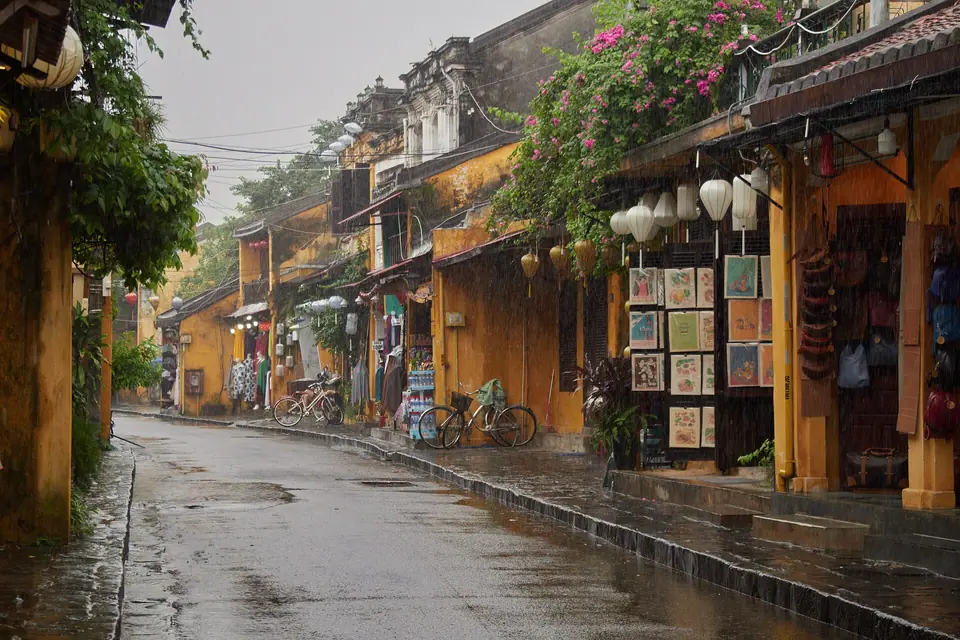
What to Wear in Hoi An: Temple Dress Codes, Slip-On Shoes & Linen Packing
Pack smart for Hoi An Ancient Town with our guide to dress codes at Chinese Assembly Halls, merchant houses, and My Son Sanctuary. Bring slip-on sandals for threshold shoe removal, breathable linen for cycling, and rain gear.
Packing for Hoi An is refreshing because you can leave behind formal city shoes and heavy coats. Hoi An is a famous centre for custom silk and linen tailoring. Local workshops can measure and stitch missing garments to fit your needs comfortably. At the same time, Hoi An is a working spiritual community where almost every stop on your 5-coupon Ancient Town Heritage Ticket enforces respectful dress standards. Those sacred spaces include the Chinese Assembly Halls, active family ancestral chapels, and the Champa ruins of My Son Sanctuary. Combining modest, breathable natural fabrics with easy slip-on footwear will keep you comfortable from dawn temple visits to afternoon rides out to An Bang Beach.
| Setting / Activity | Required Dress Standard | Recommended Footwear | Key Accessory to Carry |
|---|---|---|---|
| Chinese Assembly Halls & Pagodas | Shoulders and knees covered (no tank tops or short beach shorts) | Cushioned flat walking sandals | Light cotton scarf, incense sensitivity awareness |
| Old Merchant Houses & Tea Houses | Neat casual linen or cotton | Slip-on sandals or loafers (shoes removed at wooden step) | Thin cotton socks if you dislike walking barefoot on polished timber |
| My Son Sanctuary & Marble Mountains | Covered shoulders and knee-length shorts or trousers | Closed-toe trail trainers or grippy strapped sandals | Wide-brimmed sun hat, refillable water bottle, electrolyte sachets |
| Tra Que Cycling & An Bang Beach | Loose UPF shirt or linen tunic over swimwear (cover up before riding back into town) | Secure strapped sandals for bicycle pedals | Polarised sunglasses, reef-safe sunscreen |
Temple and Ancestral Chapel Dress Rules in the Ancient Town and My Son
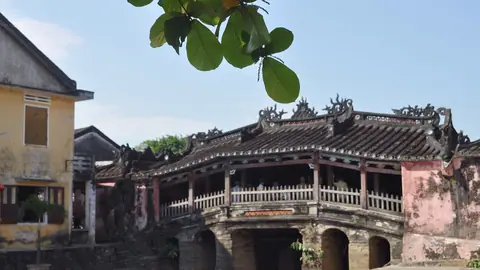
Unlike secular European museums, the monuments inside Hoi An's UNESCO core remain active places of worship. Local residents burn spiral incense coils every morning inside the Fujian, Cantonese, Hainan, Teochew, and Chinese All-Community Assembly Halls. Worshippers also gather at Quan Cong Temple, inside the Japanese Covered Bridge shrine, and at the Tran Family Chapel. The same reverence applies at the Hindu brick sanctuaries of My Son and inside the cave pagodas of the Marble Mountains and Linh Ung Pagoda.
Across all of these sacred sites, both men and women should wear clothing that covers the shoulders and reaches at least to the knee. Avoid sleeveless singlets, spaghetti-strap tops, sheer beach cover-ups, and short athletic shorts when walking Tran Phu Street on a sightseeing morning. Pair loose linen trousers, a midi skirt, or knee-length chinos with a short-sleeved linen shirt. That combination satisfies every heritage custodian while keeping you cool when daytime peaks exceed 35 degrees Celsius. Always remove hats and sunglasses when stepping inside an altar hall.
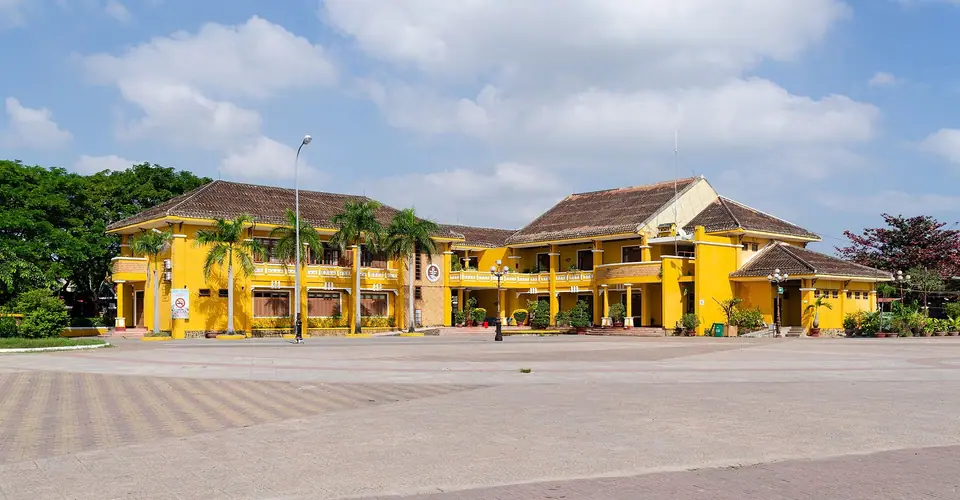
Why Slip-On Footwear Is Essential for Wooden Merchant Houses
Your Heritage Ticket coupons grant entry to historic family residences like Tan Ky Old House, Phung Hung Old House, Duc An House, and Quan Thang House. At each doorway, you must remove your shoes at the wooden entrance step. That rule protects historic timber floorboards from street grit. It applies equally inside the upper wooden galleries of the Hoi An museums, at Reaching Out Tea House, and inside custom tailor fitting rooms. In addition, every historic doorway in Hoi An features a raised wooden threshold beam across the entrance. By local custom, you should step over this wooden beam rather than treading directly on top of it.
If you wear high-top lace-up boots or multi-buckle sandals, you will spend unnecessary time every morning untying and retying knots on hot stone steps. Instead, pack supportive leather or cushioned EVA slip-on sandals, Birkenstocks, or breathable slip-on loafers with rubber soles that grip damp flagstones along Bach Dang Wharf. For hiking the carved limestone stairs of the Marble Mountains or walking the uneven forest paths at My Son Sanctuary, switch to lightweight breathable trainers.
Breathable Fabrics for Spring and Summer vs Layers for Cool Winter Evenings
Match your fabrics to the seasonal windows outlined in our Hoi An weather guide:
- February to August (Warm to Hot Season, Sunny and Clear Skies). Leave pure polyester and heavy denim at home because synthetic fabrics trap heat and moisture in coastal humidity. Pack lightweight linen, cotton gauze, seersucker, or mulberry silk in pale reflective colours. Better still, arrive with basic clothing and visit a tailor on Tran Phu, Le Loi, or Nguyen Thai Hoc Street. They can stitch custom linen shirts, trousers, or dresses to wear for the rest of your Vietnam trip.
- September to January (Rainy, Cool, and Cloudy Season). Winter temperatures in the lowlands average about 20 to 24 degrees Celsius, dropping close to 12 degrees Celsius during strong monsoons. Pack a light jacket, cardigan, or cotton sweater with long trousers for evening walks during the Hoi An Lantern Festival.

Rain Ponchos and Flood Footwear for the October to November Monsoon
If your travel dates fall during the late months between September and November, prepare for sudden warm tropical downpours and small floods. Umbrellas work well for gentle strolling along pedestrianised Tran Phu Street. However, if you are cycling through Cam Chau and Tra Que, carry a long waterproof poncho or light raincoat. Pack quick-drying waterproof rubber sandals rather than leather shoes, which stain easily when rain puddles form near Bach Dang Wharf. Slip a small waterproof dry-bag pouch into your bag to protect your phone and paper Heritage Ticket coupons during downpours.
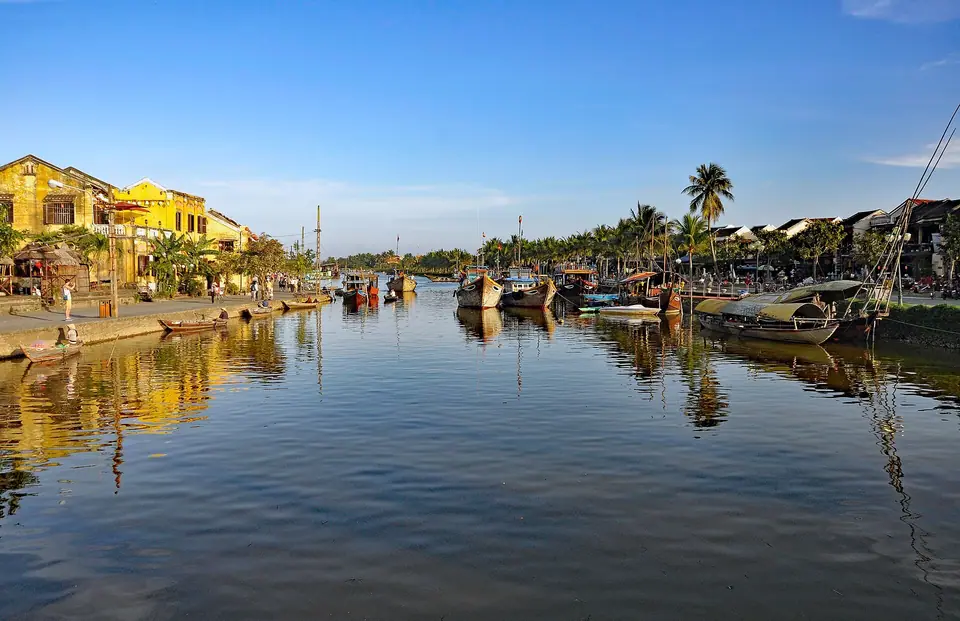
What to Wear to Tailor Fittings, Cycling Routes, and An Bang Beach
Four wardrobe habits make specific Hoi An activities much smoother. To start, during fittings at Hoi An's custom tailors, wear the undergarments and shoe heel height intended for your finished suit or dress. Wear easy-off separates so you can change in and out of basted garments quickly across your fitting sessions. Second, pull a shirt and shorts or a sundress over your swimwear before cycling back from An Bang Beach or Cua Dai. Riding through Vietnamese villages in swimwear causes offence to local residents. Third, if you take an excursion out to the Cham Islands Biosphere Reserve, pack a long-sleeved rash vest for snorkelling over shallow coral gardens. Fourth, pick up a traditional palm-leaf conical hat or a foldable wide-brimmed sun hat on your arrival morning for unshaded cycling dykes. It will keep you cool during afternoon visits to Thanh Ha and Kim Bong and outdoor lunches from our Hoi An food guide. Laundry services at local homestays and boutique hotels wash, dry, and press linen shirts and cotton trousers overnight, allowing you to pack a lighter suitcase. If you order custom garments on arrival, leave room in your luggage for finished parcels. Your tailor can wrap finished garments in protective bags. Keeping a spare cotton scarf and foldable sun hat in your basket makes spontaneous stops at active assembly halls and sunny riverside piers simple and comfortable. Smooth leather slides or cushioned walking sandals handle uneven brick pavements far better than narrow heels or heavy hiking boots. Keeping a reusable cloth tote in your bicycle basket protects cameras and sunglasses from coastal breezes or river spray. In the evening, a light linen overshirt blocks the river breeze while you dine along the water. Slipping a spare cotton handkerchief into your daypack helps you stay fresh while walking humid heritage lanes. Choosing neutral linen shades also keeps you comfortable during unhurried morning visits to historic family chapels.
Where it is
- 1Hoi An
- Da Nang International Airport (DAD) · about 24 km from Hoi An in a straight line
- Directions in Google Maps
Stations and taxi ranks: OpenStreetMap. Airports: OurAirports. Distances are in a straight line.
Traveller tips
Real advice from people who have been to Hoi An. Every tip is read by our team before it goes live.
No tips yet. Been here? Yours could be the first.
Thank you! Your tip will appear here after a quick review.
More in Hoi An
Continue exploring Hoi An with related neighbourhood, food, and planning guides

Japanese Covered Bridge & Hoi An Merchant Houses: Tan Ky & Phung Hung
Hoi An, Vietnam
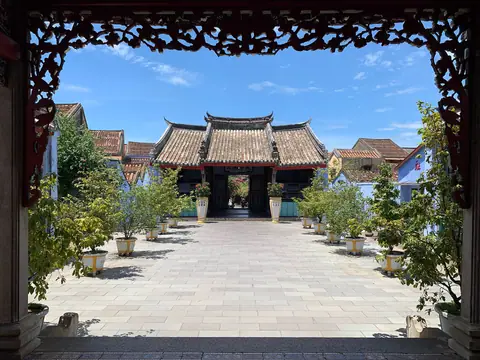
Hoi An Chinese Assembly Halls: Fujian, Cantonese, Hainan & Teochew
Hoi An, Vietnam
Hoi An Lantern Festival: Full Moon Nights, River Boats & Night Market
Hoi An, Vietnam

Hoi An Custom Tailors & Shoemakers Guide: 3-Fitting Timeline & Silk Fabrics
Hoi An, Vietnam
