


























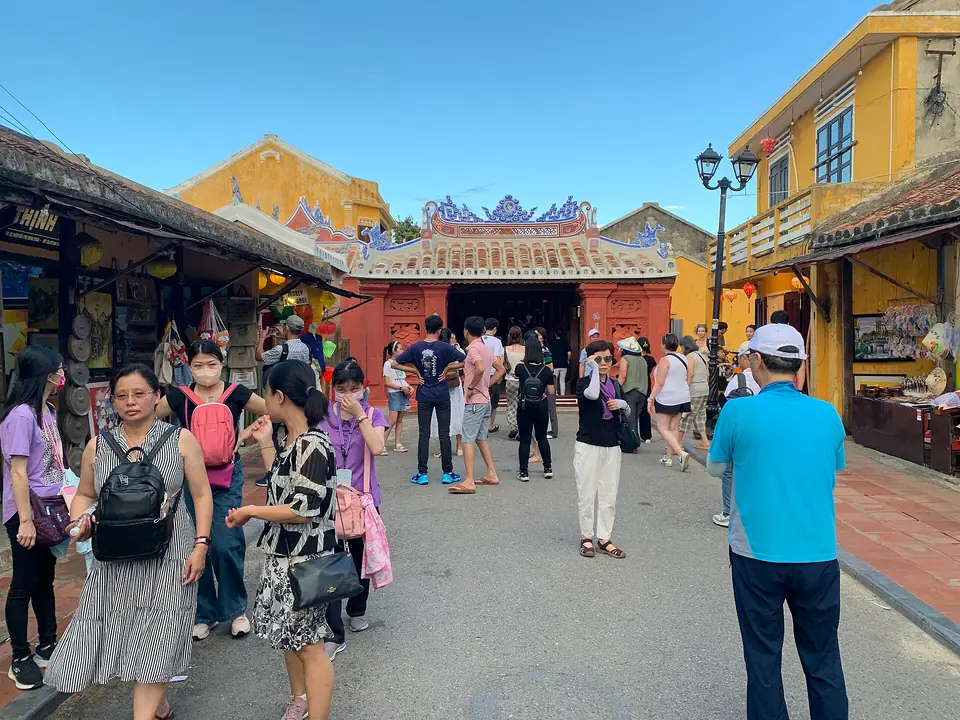
Photo: Chainwit · CC BY 4.0
What to Eat in Hoi An: Cao Lau Noodles, Banh Mi, White Rose & Food Guide
Taste Hoi An's culinary heritage, led by smoky ash-water cao lau noodles made with Ba Le Well water and crispy banh mi baguettes. Sample translucent White Rose shrimp dumplings, turmeric mi Quang, com ga chicken rice, and nuoc Mot tea.
Even within Vietnam's celebrated gastronomic landscape, the cuisine of Hoi An and Quang Nam Province stands apart. Seventeenth-century Faifo united Cham stone wells, Chinese guilds, Japanese traders, and French bakers within three kilometres of Tra Que Village and the sea. As a result, Hoi An developed a repertoire of dishes that cannot be replicated in Hanoi or Ho Chi Minh City. Here, wood-ash lye and Champa well water give noodles a smoky bite. A third-generation workshop pleats White Rose shrimp dumplings, while charcoal-toasted baguettes hold savoury condiments. Use this dish-by-dish culinary guide across every meal of our Hoi An itinerary and Hoi An travel guide.
| Signature Hoi An Dish | Vietnamese Name | Defining Ingredient & Technique | Where to Taste It |
|---|---|---|---|
| 1. Ash-Water Pork Noodles | Cao Lầu Hội An | Rice noodles kneaded with Cham Island melaleuca wood-ash lye & Ba Le Well water | Central Market food hall, Tran Phu stalls & Ba Le Well lane |
| 2. Hoi An Crispy Baguette | Bánh Mì Hội An | Pointed charcoal-crisp baguette with pate, char siu pork, papaya pickle & herb sauce | Madam Khanh (115 Tran Cao Van) & Banh Mi Phuong (2B Phan Chu Trinh) |
| 3. White Rose Dumplings | Bánh Bao Bánh Vạc | Translucent cassava-rice wrappers pleated around spiced shrimp & pork | White Rose Restaurant workshop |
| Quang Nam Turmeric Noodles | Mì Quảng | Wide turmeric-tinted rice ribbons in concentrated shrimp-pork-quail egg broth | Morning market stalls on Thai Phien, Phan Chu Trinh & Cam Chau |
| 5. Hoi An Turmeric Chicken Rice | Cơm Gà Hội An | Free-range shredded chicken, rice cooked in turmeric stock & green papaya salad | Phan Chu Trinh Street (Ba Buoi) & Le Loi alley stalls |
Cao Lầu: Smoky Ash-Water Noodles and the Ancient Ba Le Well
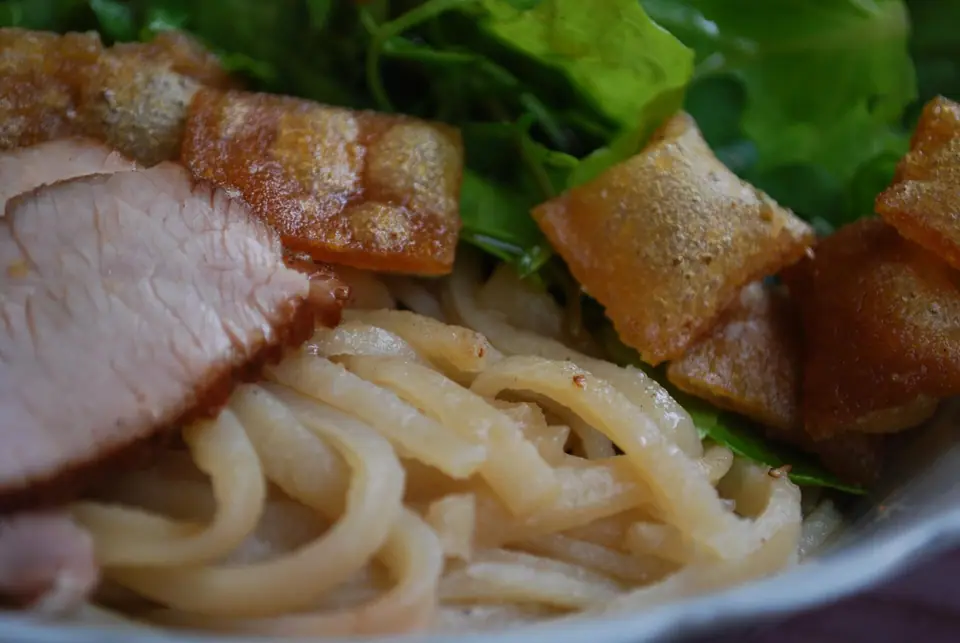
If one bowl embodies the soul of Hoi An, it is cao lầu. Its name means "high-storey delicacy", as merchants once dined on the upper wooden lofts of Tran Phu and Nguyen Thai Hoc overlooking their boats. Unlike silky white phở or round vermicelli bún, cao lầu noodles are thick, square-cut, golden-brown strands. They have a firm chew reminiscent of Japanese udon, yet are made entirely from Quang Nam rice rather than wheat.
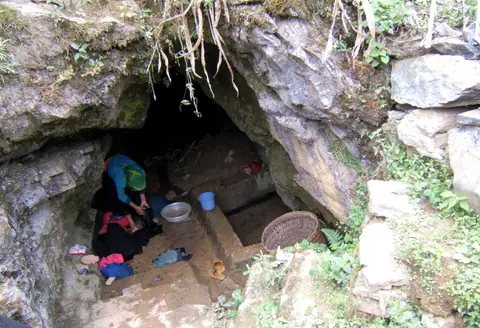
According to local culinary tradition, authentic cao lầu requires specific geographic ingredients. The raw rice is soaked in alkaline lye water filtered through the wood ash of melaleuca trees (cây tràm) grown on the Cham Islands. That island ash gives the dough its yellow hue and springy elasticity. Makers also knead and steam the dough with mineral-sweet water from the Champa Ba Le Well (Giếng Bá Lễ). The historic brick well sits at alley 45/17 Tran Hung Dao. Served with three spoonfuls of rich five-spice pork jus, the noodles are topped with sliced xá xíu (char siu roast pork). Cooks finish each bowl with crunchy square croutons of deep-fried dough, blanched bean sprouts, and fresh Tra Que basil and mint.
Bánh Mì Hội An: Pointed Baguettes at Madam Khanh and Banh Mi Phuong
Every town in Vietnam bakes bánh mì, yet Hoi An's version is famous nationwide for its distinctive pointed-end spindle shape (bánh mì đầu nhọn). Bakers heat the crackly thin crust over glowing charcoal embers right before serving. Inside, the baguette is layered with house-made pork liver pâté, egg mayonnaise, five-spice char siu pork or lemongrass chicken, and pork floss. Shredded green papaya pickles, cucumber, coriander, warm meat gravy, and homemade chilli paste complete the sandwich. Two family addresses sit a ten-minute walk north of the pedestrian zone:
- Madam Khanh, The Banh Mi Queen (115 Tran Cao Van Street). Founded by the late Nguyen Thi Loc, Madam Khanh's family shop is prized for its pork-and-egg-yolk sauce, rich pâté, and crisp crust.
- Banh Mi Phuong (2B Phan Chu Trinh Street). Praised by Anthony Bourdain as "a symphony in a sandwich", Banh Mi Phuong near the Central Market offers fillings from grilled pork to tofu.
Bánh Bao Bánh Vạc ("White Rose" Dumplings) Used Across Town
French visitors named these delicate parcels "White Rose" dumplings because their pleated white wrappers resemble blooming rose petals. A platter of bánh bao bánh vạc combines two dumplings on one plate. Bánh bao forms a rosebud around spiced minced shrimp, while crescent-shaped bánh vạc holds shrimp, pork, mushrooms, and bean sprouts. Almost every restaurant in Hoi An sources its dumplings from the third-generation family workshop at White Rose Restaurant. Visitors can watch artisans pleat thousands of rice-dough wrappers by hand before topping them with fried shallots and dipping sauce (nước chấm).
Hoành Thánh Chiên: Hoi An Crispy Fried Wontons
A second beloved Fujian- and Cantonese-influenced starter is hoành thánh chiên (crispy fried wontons). Unlike soup wontons served in broth, Hoi An's version flattens square wheat wrappers around seasoned shrimp and minced pork. Cooks deep-fry them into crisp golden triangles. The kitchen then ladles a warm sweet-and-tangy reduction of pineapple, tomato, bell pepper, onion, and coriander over the wonton shells.
Mì Quảng Turmeric Rice Noodles and Toasted Sesame Rice Crackers
Every morning, market stalls ladle bowls of mì Quảng, the flagship noodle dish of Quang Nam. Wide rice ribbons tinted golden yellow with fresh turmeric are layered over banana-blossom shreds and Tra Que herbs. Cooks top the noodles with river shrimp, pork belly, and quail eggs, adding a ladleful of concentrated turmeric-and-peanut broth. Before eating, you crush a toasted black-sesame rice cracker (bánh tráng mè) and roasted peanuts over the bowl.
Cơm Gà Hội An: Fragrant Turmeric Chicken Rice
Builders of the Hainan Assembly Hall introduced fragrant chicken rice to the port. Today, cơm gà Hội An is a lunchtime staple led by Com Ga Ba Buoi on Phan Chu Trinh Street. Fluffy local rice is steamed in chicken broth with turmeric and pandan leaves. Cooks top the golden rice with hand-torn poached chicken, onions, Vietnamese coriander (rau răm), lime, green papaya salad, and rich gravy.
Cam Nam Baby Clams, Bánh Xèo Pancakes, and Cooling Nước Mót Herbal Tea
Round out your culinary walk with local street favourites. Cross the bridge to Cam Nam Island in the afternoon for hến xào bánh đập. Sweet river clams are stir-fried with onions, peanuts, and herbs, then scooped up with a crisp "smashed" rice cracker. Second, visit Bale Well Alley (45/51 Tran Hung Dao) for crispy bánh xèo pancakes and lemongrass pork skewers (nem lụi) with peanut sauce. Finally, cool off at Tran Phu with herbal nước Mót tea or sweet Cam Nam corn pudding (chè bắp). Pair these treats with the brews in our Hoi An coffee and tea houses guide. When dining at traditional market stalls, look for counters with brisk local turnover, steaming broth cauldrons, and baskets of crisp, freshly washed herbs. Squeezing calamansi lime and adding a tiny dab of fermented chilli paste wakes up the savoury pork and shrimp broths without overpowering the delicate rice noodles. Carrying small cash notes makes paying family vendors quick and easy after a satisfying bowl. Morning visitors to the central food hall can sample warm soy milk and chicken sticky rice. Stalls nearby serve crisp banh mi stuffed with roast pork and pickled papaya. Pair a morning market walk with an afternoon cooking workshop in Tra Que or Cam Thanh. Local cooks show how to balance sour tamarind, fish sauce, and fresh garden herbs. Pointing to fresh herb baskets at family stalls lets vendors show you how to wrap each savoury bite properly.
Where it is
- 1Hoi An
- Da Nang International Airport (DAD) · about 24 km from Hoi An in a straight line
- Directions in Google Maps
Stations and taxi ranks: OpenStreetMap. Airports: OurAirports. Distances are in a straight line.
Traveller tips
Real advice from people who have been to Hoi An. Every tip is read by our team before it goes live.
No tips yet. Been here? Yours could be the first.
Thank you! Your tip will appear here after a quick review.
More in Hoi An
Continue exploring Hoi An with related neighbourhood, food, and planning guides
Best Time to Visit Hoi An: Dry Season, Flood Months & Full Moon Dates
Hoi An, Vietnam
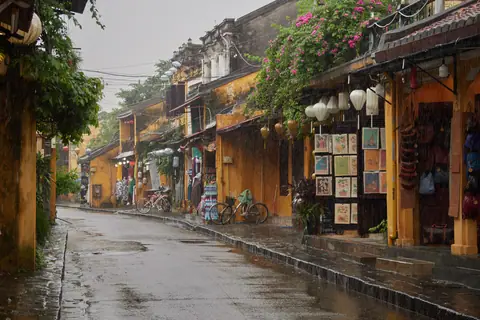
What to Wear in Hoi An: Temple Dress Codes, Slip-On Shoes & Linen Packing
Hoi An, Vietnam
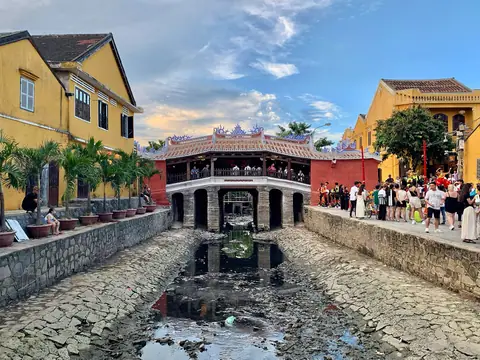
Where to Stay in Hoi An: Ancient Town, Rice Paddies & An Bang Beach
Hoi An, Vietnam
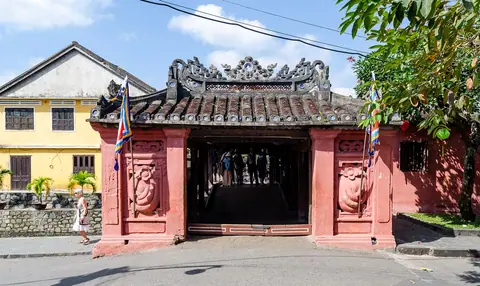
Hoi An 4-Day Itinerary: Ancient Town, Rice Paddies, My Son & Cham Islands
Hoi An, Vietnam
