


























Best Time to Visit Hoi An: Dry Season, Flood Months & Full Moon Dates
Plan around Central Vietnam's microclimate: dry sunny weather from February to August and autumn rains from September to January.
Before booking flights to Vietnam, note one key meteorological fact. Central Vietnam (Hoi An, Da Nang, and Hue) follows a completely different seasonal rhythm from Hanoi and Ho Chi Minh City. The Truong Son (Annamite) mountain range runs like a coastal spine behind Quang Nam Province. That mountain barrier shields Hoi An from the southwest summer monsoon that brings daily afternoon downpours to Southern Vietnam between May and August. Conversely, the same coastal range catches the northeast autumn winds off the East Sea between late September and December. February through May is a prime dry window for Hoi An Ancient Town. Those months combine blue skies, low rainfall, and mild cycling temperatures. Meanwhile, June through August delivers calm turquoise seas for An Bang Beach and the Cham Islands. Pair this seasonal calendar with our Hoi An packing guide and where to stay guide.
| Seasonal Window | Typical Climate | General Conditions | Best Activities & Conditions |
|---|---|---|---|
| Feb to Apr (Golden Dry Spring) | Warm, sunny, clear skies | Driest period | All-day Ancient Town walks, Tra Que cycling, My Son sunrise, Tet festivities |
| May to Aug (Hot Beach & Island Summer) | Hot, sunny, clear skies | Sunny beach days | Calm glass-flat seas for Cham Islands snorkelling, An Bang Beach, green rice paddies |
| Sep (Late Shoulder Transition) | Tropical storms begin | Cooling conditions | Warm mornings, golden rice harvest, rising late-month showers |
| Oct to Nov (Peak Monsoon & High Water) | Heavy rain, high humidity | Wettest months | Quiet museums, custom tailoring, coffee houses; periodic Bach Dang river floods |
| Dec to Jan (Cool Winter Transition) | Rainy, cool, cloudy | Coldest in January | Pleasant walking temperatures, misty lantern evenings, low hotel rates |
February to May: The Dry Spring Sweet Spot for Walking and Cycling
Aim for February, March, April, or early May to combine the Ancient Town merchant houses with Tra Que cycling and My Son Sanctuary. Following the cool winter rains, skies clear from February with warm temperatures and sunny skies. Rainfall remains modest through March and April.
During these spring months, humidity stays comfortable and river water levels along Bach Dang Quay remain calm and clear. Young emerald rice shoots carpet the paddies of Cam Chau in February and March before turning golden for the spring harvest in late April and May. Sea conditions off An Bang Beach improve as spring progresses. At the same time, daily high-speed boat crossings operate from Cua Dai Pier out to the Cham Islands. Spring is ideal for following our 4-day itinerary and driving over the Marble Mountains and Hai Van Pass.
June to August: Hot Coastal Summer and Cham Islands Snorkelling
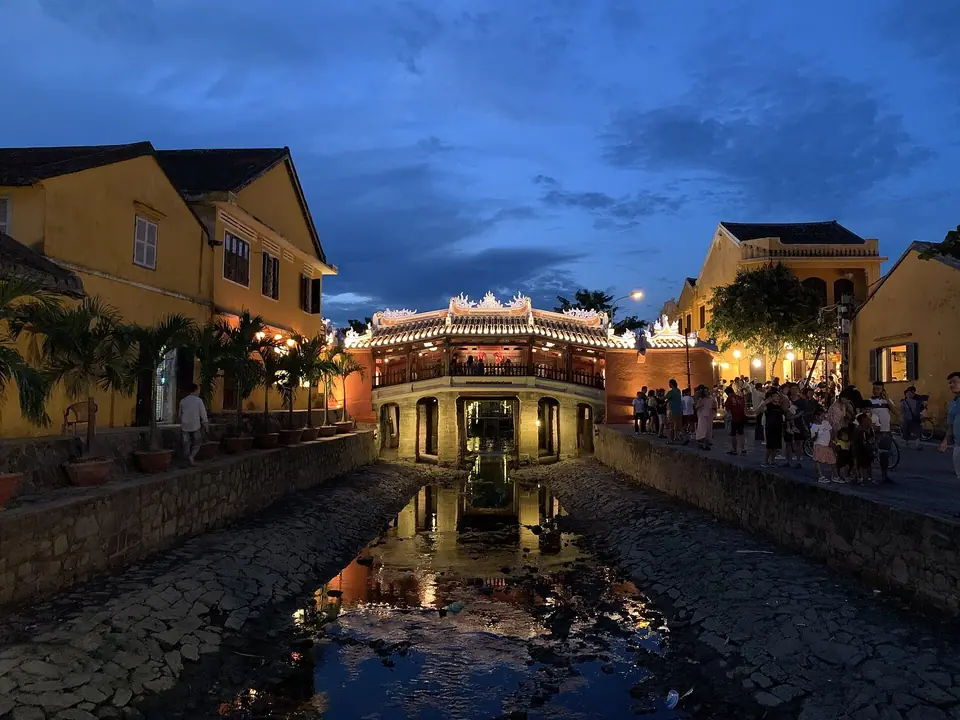
Travellers visiting Bangkok, Siem Reap, or Ho Chi Minh City in June, July, and August encounter the peak southwest monsoon. By contrast, Hoi An enjoys dry, sun-drenched beach weather throughout the European and North American summer holidays. Daytime temperatures frequently exceed 35°C in summer, with sunny days and clear skies. Conditions around the coral reefs of the Cham Islands remain very calm between June and August.
The secret to enjoying Hoi An during high summer is adopting a split-day tropical rhythm. Wake early to tour the Ancient Town, Tra Que, or My Son during the morning before midday heat builds. In the middle of the day, cool off at your hotel pool or under a beach umbrella at An Bang. Midday is also ideal for air-conditioned fittings at Hoi An's custom tailors. Then return to the riverfront as coastal breezes cool the lantern streets and rooftop cafes.
October to December: Autumn Monsoon Rains and Thu Bon River High-Water Days
From late September through November and early December, the northeast monsoon sweeps moist air off the East Sea against the Truong Son mountains. This pattern brings the bulk of annual rainfall along the Central Coast. October, November, and December account for the majority of the annual precipitation. When heavy mountain rainfall upstream coincides with high coastal tides or a passing tropical depression, the Thu Bon and Hoai rivers naturally overflow their low banks. Water rises across Bach Dang Street, Nguyen Thai Hoc Street, and An Hoi Islet for two to four days at a time.
For centuries, Hoi An families have built their two-storey ironwood houses specifically for these seasonal rises (mùa lụt). Residents use ceiling winches to lift furniture to the upper loft while paddling wooden sampans down Bach Dang Street. If you visit in October or November, book a hotel on slightly higher ground along the northern perimeter of the Ancient Town or in Cam Chau. Note that speedboats to the Cham Islands pause during rough autumn seas. Spend rainy mornings exploring Hoi An's four thematic museums or folding silk lanterns via our craft villages guide. Warm up afterward with hot noodle bowls from our food guide. By December and January, conditions remain cool and cloudy, calling for a light evening jacket.
The Monthly Full Moon Lantern Festival Calendar and Annual Celebrations
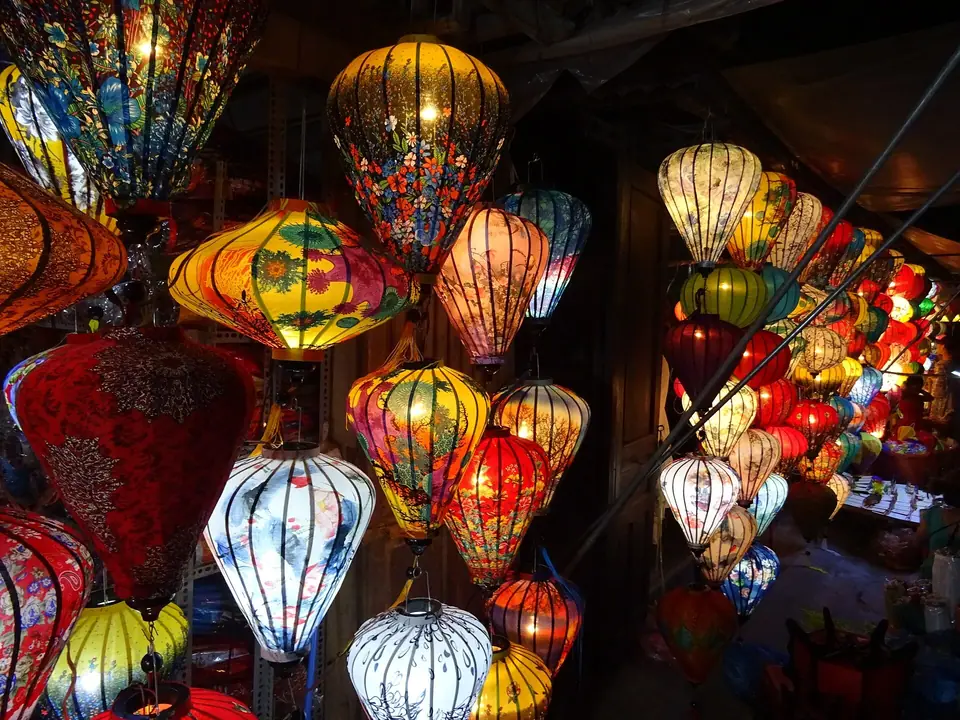
Regardless of which month you choose, check the Vietnamese lunar calendar before confirming your hotel dates. On the 14th evening of every lunar month (Đêm Rằm Phố Cổ), the town celebrates its Full Moon Lantern Festival from dusk. Electric lights across the historic centre are dimmed. The wooden facades glow under silk lanterns and floating paper lotus candles on the Hoai River while families place fruit and incense offerings on ancestral altars.
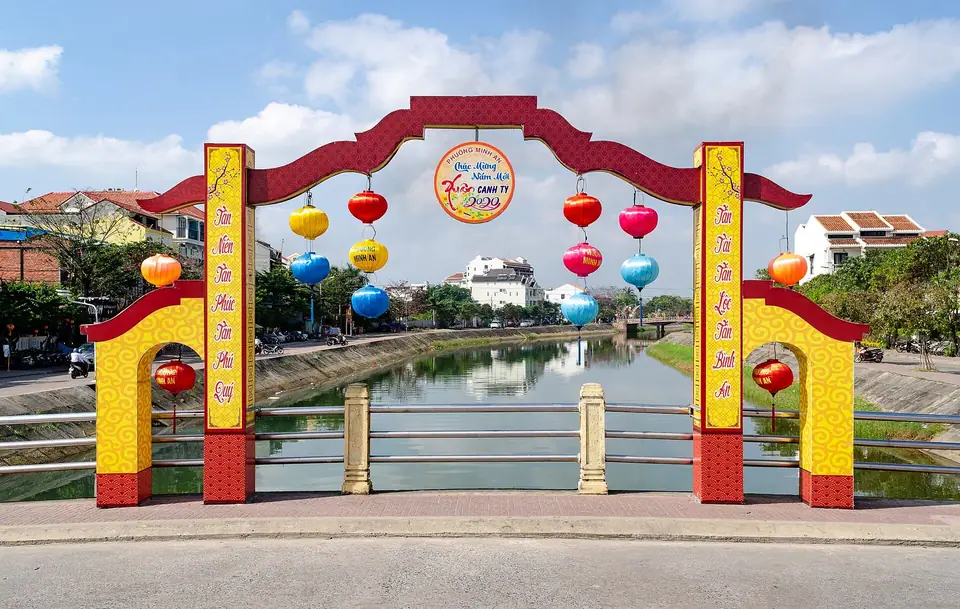
- Tết Nguyên Đán (Vietnamese Lunar New Year, late January or February). Streets fill with kumquat trees, yellow apricot blossoms (hoa mai), lion dances at Chinese Assembly Halls, and Thu Bon boat races. Note that many family tailors close for three to four days during Tet.
- Cau Ngu Whale Festival & Mid-Autumn Festival (September or October). Coastal villages honour the whale deity in spring, while the Mid-Autumn Festival (Tết Trung Thu) brings unicorn dance troupes through the Ancient Town.
To make the most of any season, structure your daily sightseeing around midday heat and afternoon rain clouds. Early mornings bring clear directional light along Tran Phu Street and calm waters around the offshore reefs. Midday hours suit indoor silk fittings, pottery throwing, or long lunches inside shaded courtyard restaurants. When autumn showers pass over the riverfront, heritage museums and assembly halls remain dry and peaceful under high tiled roofs. Packing a compact umbrella and breathable linen layers ensures smooth transitions between sunny coastal bike lanes and humid lantern-lit evenings along the riverbanks. Checking local tide and wind updates at your hotel desk each evening helps you pick the calmest morning for boat excursions or coastal cycling. Photographers visiting during the dry spring months enjoy crisp reflections in the temple courtyards and golden light across the emerald rice paddies. Even during brief autumn rains, warm temperatures mean you can walk comfortably in quick-drying sandals while listening to rain patter on mossy roof tiles. Checking the local river level forecast at your guesthouse desk helps you plan dry walking routes each morning. Bright morning sunshine often follows brief tropical showers, illuminating the mossy roof tiles and yellow courtyard walls. Travellers visiting during lantern nights can step into quiet side alleys whenever the main riverfront promenade grows busy. Packing both a breathable sun hat and a foldable rain cape prepares you for shifting coastal breezes. Resting on a shaded riverfront bench during warm afternoons lets you watch wooden boats glide past the historic merchant quays.
Where it is
- 1Hoi An
- Da Nang International Airport (DAD) · about 24 km from Hoi An in a straight line
- Directions in Google Maps
Stations and taxi ranks: OpenStreetMap. Airports: OurAirports. Distances are in a straight line.
Traveller tips
Real advice from people who have been to Hoi An. Every tip is read by our team before it goes live.
No tips yet. Been here? Yours could be the first.
Thank you! Your tip will appear here after a quick review.
More in Hoi An
Continue exploring Hoi An with related neighbourhood, food, and planning guides

Hoi An Museums Guide: Trade Ceramics, Sa Huynh Culture, Folklore & Réhahn
Hoi An, Vietnam
Marble Mountains, Lady Buddha & Hai Van Pass Day Trip from Hoi An
Hoi An, Vietnam
Hoi An Coffee Culture: Specialty Roasters, Rooftop Cafes & Tea Houses
Hoi An, Vietnam
What to Eat in Hoi An: Cao Lau Noodles, Banh Mi, White Rose & Food Guide
Hoi An, Vietnam
