Milanese Food
How to explore Milan through its regional dishes and rituals.
Milanese cooking belongs to the cooler north of Italy, where butter, rice and slow braises matter more than olive oil and pasta. The city sits close to the rice fields of the Po valley and the dairy farms of Lombardy, and its classic dishes reflect that: golden risotto, breaded veal, long-cooked shanks and rich winter stews. At the same time, Milan is Italy's most international city, so a week of eating here can move from a traditional trattoria to Chinese dumplings in Sarpi and Eritrean injera in Porta Venezia.
The classics to try
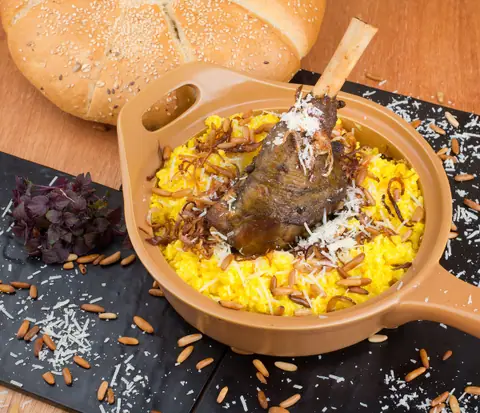
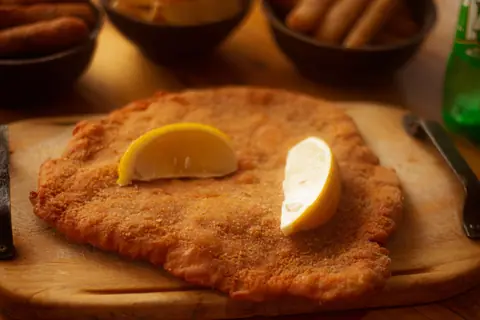
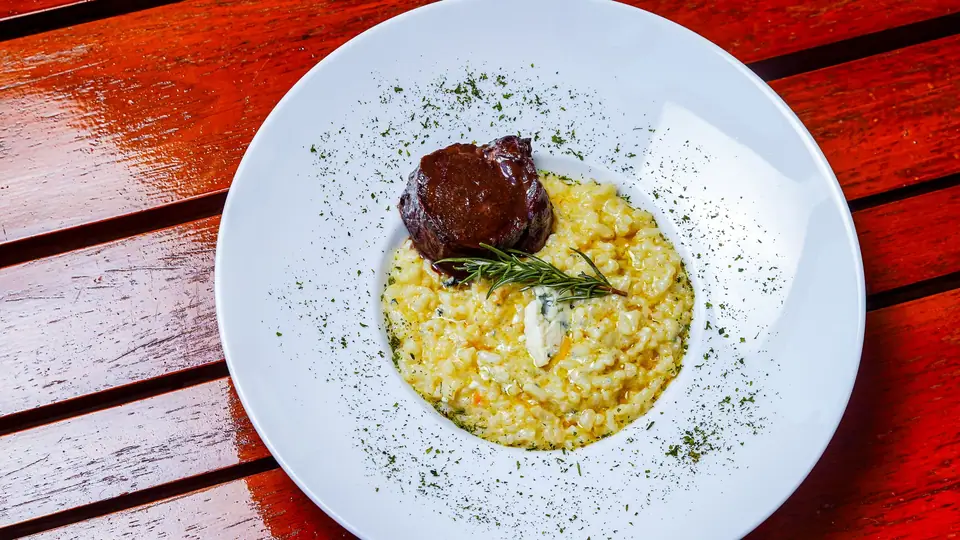
Risotto alla Milanese, coloured with saffron and finished with butter and Parmesan, is the city's signature first course; our risotto guide tells its story. Cotoletta alla Milanese is a thick bone-in veal chop, breaded and fried in butter, while ossobuco is a cross-cut veal shank braised until the marrow melts. Both are covered in our cotoletta and ossobuco guide. Ossobuco is traditionally served with saffron risotto on the side, one of the few times Italians put rice and meat on the same plate.
Lesser-known dishes
Mondeghili are small fried meatballs, originally a way of using leftover boiled meat, and now protected as a municipal speciality. In winter, look for cassoeula, a hearty stew of pork ribs, sausage and Savoy cabbage. Nervetti, a cold salad of boiled veal cartilage with onion, appears on old-fashioned menus. Risotto al salto, made by frying leftover saffron risotto into a crisp golden disc, is a dish we always order when we see it.
Bakeries and sweets
Panettone began in Milan, and the city's pastry shops bake it with real care, especially from November to January; our panettone guide explains what to look for. At Easter, the dove-shaped colomba takes its place. Year round, a pasticceria breakfast of cappuccino and a brioche at the counter is the most Milanese start to the day, taken standing up and quickly.
Aperitivo
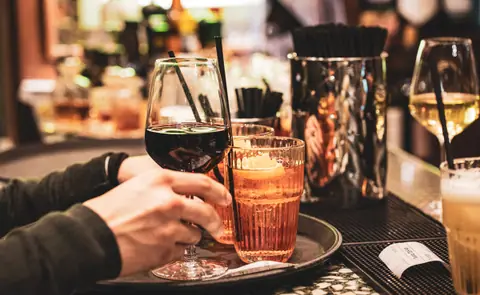
Between work and dinner, Milan stops for aperitivo. A drink, often a Campari spritz or a Negroni Sbagliato, arrives with snacks, and in some bars with a generous buffet. Campari itself was born in Milan, and the Camparino bar at the entrance to the Galleria has served it for over a century.
Cheese, salumi and the Lombard larder
Lombardy is serious dairy country. Gorgonzola takes its name from a town just east of Milan, and taleggio, grana padano and soft stracchino all come from the surrounding region. On a cheese board, mostarda, fruit preserved in a sharp mustard syrup from Cremona and Mantua, is the classic partner. From the valleys to the north come bresaola, air-dried beef from the Valtellina, and pizzoccheri, buckwheat pasta baked with potatoes, cabbage and cheese. Milan's delicatessens stock all of these, and they make an easy picnic for a day in one of the city's parks.
Beyond the Milanese table
The city's communities have shaped its food scene. Via Paolo Sarpi, covered in our Sarpi and Chinatown guide, is lined with dumpling shops and bakeries. Porta Venezia has Eritrean and Ethiopian restaurants, and NoLo mixes North African, South American and Asian kitchens. Covered markets and food halls offer quick lunches between museums.
Our view
We plan one traditional meal a day and let the rest follow our route. A slow lunch suits risotto or cotoletta, which are filling, while a bakery stop or aperitivo snacks are enough between sights. A neighbourhood trattoria with a short, handwritten menu is usually a stronger sign than a terrace facing a landmark. A few words help: riso is rice, burro butter, zafferano saffron and vitello veal. Booking ahead is wise for dinner on Fridays and Saturdays and during fashion and design weeks.
Traveller tips
Real advice from people who have been to Milanese Food. Every tip is read by our team before it goes live.
No tips yet. Been here? Yours could be the first.
Thank you! Your tip will appear here after a quick review.
More in Milano
Continue exploring Milano with related neighbourhood, food, and planning guides