Sarpi and Milan Chinatown
A neighbourhood visit through Sarpi’s food, shops and street life.
Via Paolo Sarpi and the streets around it form Milan's Chinatown, one of the oldest and largest Chinese communities in Italy. Immigrants from the Zhejiang province, especially the area around Wenzhou, began arriving in the 1920s, working first in silk and leather workshops. Over the decades the neighbourhood became a centre of Chinese commerce, and today it is a lively, mixed district where Chinese restaurants and grocers stand beside traditional Milanese bakeries, butchers and wine bars.
A street made for walking
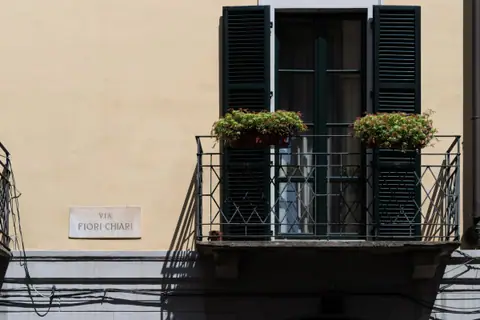
Via Paolo Sarpi was pedestrianised around 2011, and the change transformed the area. The street now has wide paving, benches and trees, and on any day it fills with shoppers, families and people queuing for snacks. Lanterns and Chinese signage hang above shop fronts, while the older buildings, with their courtyards and balconies, remain typically Milanese. The district lies just north of the centre, between the Arco della Pace and the Monumentale cemetery.
Dumplings and snacks
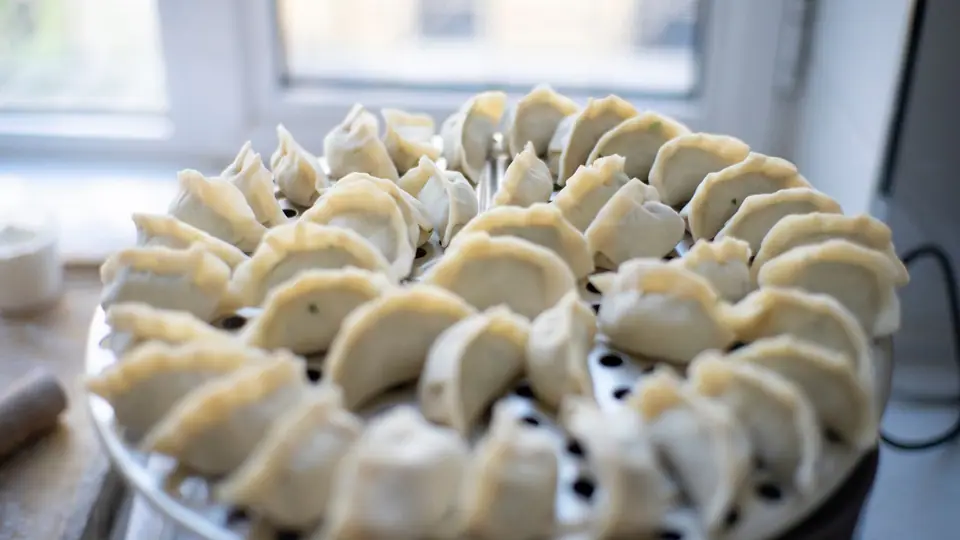
Sarpi is best known for its food. Small shops make fresh ravioli, steamed bao and fried dumplings to order, often with a window where you can watch the cooks fold them. Bubble tea, mooncakes, Chinese pastries and noodle bars line the street. We like to graze through several places rather than sitting for one long meal, sampling dumplings in one shop and a sweet bun in the next. Many places are counters or small rooms, so eating while walking is common.
Milanese and Chinese side by side
The district's mix is part of its charm. Next to a Chinese grocer you might find an old Milanese butcher famous for its meatballs, a historic bakery, or a bar where locals meet for a coffee. Some shops have become known for combining the two cultures, with Milanese ingredients in Chinese-style dishes. The neighbourhood is also home to designers and young families, and the side streets hide small galleries and bookshops.
Chinese New Year
The biggest event of the year is the Chinese New Year celebration, usually in late January or February, when a parade of dragons, lions, drums and costumes passes along Via Paolo Sarpi and the surrounding streets. Crowds are dense, so arrive early and keep belongings secure. The rest of the year, the atmosphere is relaxed and welcoming.
Shopping and markets
Beyond food, Sarpi has shops selling teas, ceramics, kitchenware and Asian groceries. The nearby covered market on Via Paolo Sarpi, one of Milan's municipal markets, sells fruit, vegetables, cheeses and fish. For a broader view of Milan's markets, see our markets and vintage guide.
A district with a history
Before the Chinese community arrived, the area was known as the Borgo degli Ortolani, the market gardeners' village, outside the city walls. Its long courtyard buildings once housed workshops and small factories, which suited the first Chinese families who ran sewing and leather businesses. The neighbourhood went through tensions in the 2000s over traffic and wholesale trade, and the pedestrian street was part of the solution. Today, second and third generations run many of the businesses, and the district feels confident and welcoming.
Our view
Sarpi is a district for a relaxed lunch or an afternoon stroll, and it shows the international side of Milan that many visitors miss. We combine it with the Monumentale in the morning and the towers of Porta Nuova in the afternoon, both a short walk away. Metro M5 stops at Monumentale and Cenisio, and several tram lines run along the edges of the district. For a wider guide to the city's food, from saffron risotto to the kitchens of Porta Venezia, see our Milanese food guide. Weekday lunchtimes are calmer than weekend afternoons, when the street is at its busiest.
Respect is part of the visit: this is a residential area as well as a food street, so keep voices down in the side streets in the evening and avoid photographing people without asking.
Traveller tips
Real advice from people who have been to Sarpi and Milan Chinatown. Every tip is read by our team before it goes live.
No tips yet. Been here? Yours could be the first.
Thank you! Your tip will appear here after a quick review.
More in Milano
Continue exploring Milano with related neighbourhood, food, and planning guides