Porta Romana
A neighbourhood walk through Porta Romana’s local character.
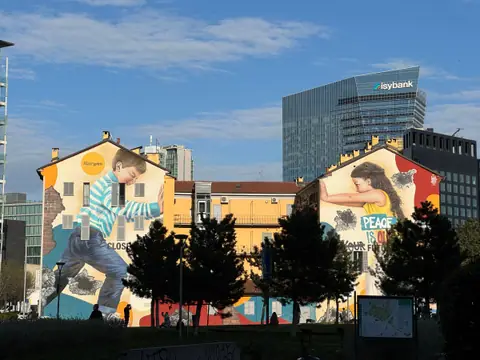
Porta Romana lies southeast of the centre, along the old Roman road that led from Milan towards Rome. It is a largely residential district of broad avenues, handsome apartment buildings, neighbourhood markets and restaurants, and it shows everyday Milanese life away from the monumental core. In recent years it has gained new attractions, including a thermal spa in a former tram depot and the art centre of Fondazione Prada, which have made it a rewarding half-day for visitors.
The gate
The monumental arch of Porta Romana stands in Piazzale Medaglie d'Oro, at the end of Corso di Porta Romana. It was built in 1596 to welcome Margaret of Austria, who passed through Milan on her way to marry King Philip III of Spain, and it was later incorporated into the Spanish walls. Today it stands surrounded by traffic, but its stone columns and inscriptions still mark the threshold of the old city. Corso di Porta Romana leads from here straight towards the Duomo, passing churches and palaces on the way.
Along the Corso
Walking north along Corso di Porta Romana, we pass the church of San Nazaro in Brolo, one of the four basilicas founded by Saint Ambrose, and the Ca' Granda, the vast Renaissance hospital designed by Filarete in the fifteenth century that now houses the University of Milan. Its main courtyard, rebuilt after wartime bombing, is open to visitors and is one of the most beautiful spaces in the city. The street also has bakeries, cafés and shops used by local residents.
QC Termemilano
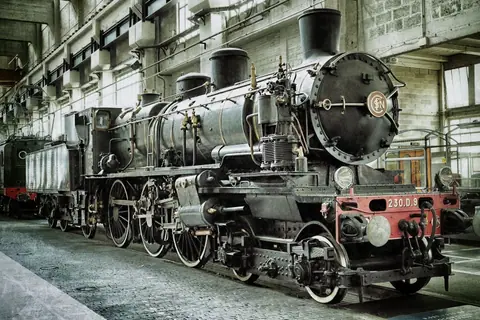
Just inside the gate, QC Termemilano occupies a former tram depot from the early twentieth century, set beside the remains of the Spanish walls. The spa has outdoor pools, saunas, steam rooms and relaxation areas, including an old tram car converted into a sauna. It makes an unexpected and relaxing break in a city visit, especially in the cooler months when steam rises from the warm pools. Booking ahead is advisable at weekends.
Fondazione Prada
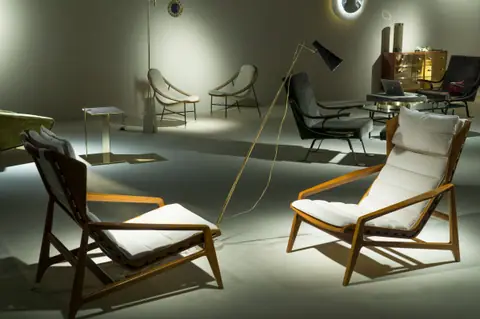
A short walk south, in a former distillery on Largo Isarco, Fondazione Prada opened in 2015 as a major centre for contemporary art. The architects of OMA, led by Rem Koolhaas, combined old industrial buildings with new structures, including a small building covered in gold leaf known as the Haunted House and a white tower completed in 2018. Exhibitions change regularly, and the café, Bar Luce, was designed by the film director Wes Anderson with pastel colours and retro furniture inspired by Milanese cafés of the 1950s.
Eating in the neighbourhood
Porta Romana has a strong restaurant scene, from traditional trattorias to modern bistros and wine bars, mostly serving residents. The side streets around Via Crema and Viale Bligny are good places to look, and our risotto guide and cotoletta and ossobuco guide help decode the menus. The district also has a lively aperitivo culture in the early evening.
Around Corso Lodi
South of the gate, Corso Lodi and the streets around it have a more modern character, with post-war apartment blocks, local markets and new residential projects on former railway land. The Scalo di Porta Romana, an old freight yard, has been transformed for the 2026 Winter Olympics and its legacy, and the area is changing quickly. Walking here shows Milan in transition, from industrial city to a place of design, culture and housing.
Our view
We combine Porta Romana with a slow walk from the centre and an afternoon at Fondazione Prada or the spa, followed by dinner nearby. Metro M3 stops at Porta Romana and Lodi, close to the gate and to Fondazione Prada. Compared with Porta Venezia or NoLo, it is quieter and more residential, and that is its appeal: a neighbourhood where Milan feels lived in rather than visited.
Traveller tips
Real advice from people who have been to Porta Romana. Every tip is read by our team before it goes live.
No tips yet. Been here? Yours could be the first.
Thank you! Your tip will appear here after a quick review.
More in Milano
Continue exploring Milano with related neighbourhood, food, and planning guides