National Museum of Science and Technology
A practical introduction to Milan’s large science and technology museum.
The Museo Nazionale della Scienza e della Tecnologia Leonardo da Vinci is Italy's largest science and technology museum, and one of Milan's most enjoyable visits for families and curious adults. It opened in 1953 in the former Olivetan monastery of San Vittore, a sixteenth-century building with two cloisters, and it has grown to include large pavilions for trains, ships and aircraft. It sits beside the Basilica of Sant'Ambrogio, in a quiet part of the centre.
Leonardo the engineer
The museum's most famous galleries are dedicated to Leonardo da Vinci as an engineer and inventor. Models built from his drawings show flying machines, bridges, war machines, cranes and devices for lifting water, with explanations of how he studied mechanics and nature. Seen together, they show a side of Leonardo very different from the painter of the Last Supper, and they help explain why the dukes of Milan valued him as much for his engineering as for his art.
The submarine Enrico Toti
One of the museum's star exhibits is the Enrico Toti, the first submarine built in Italy after the Second World War. It arrived at the museum in 2005 after a complex journey by road through the city, and it now stands in the grounds. Guided visits take small groups inside, through narrow corridors and cramped cabins. Places are limited, so we reserve a slot on arrival.
Trains, ships and planes
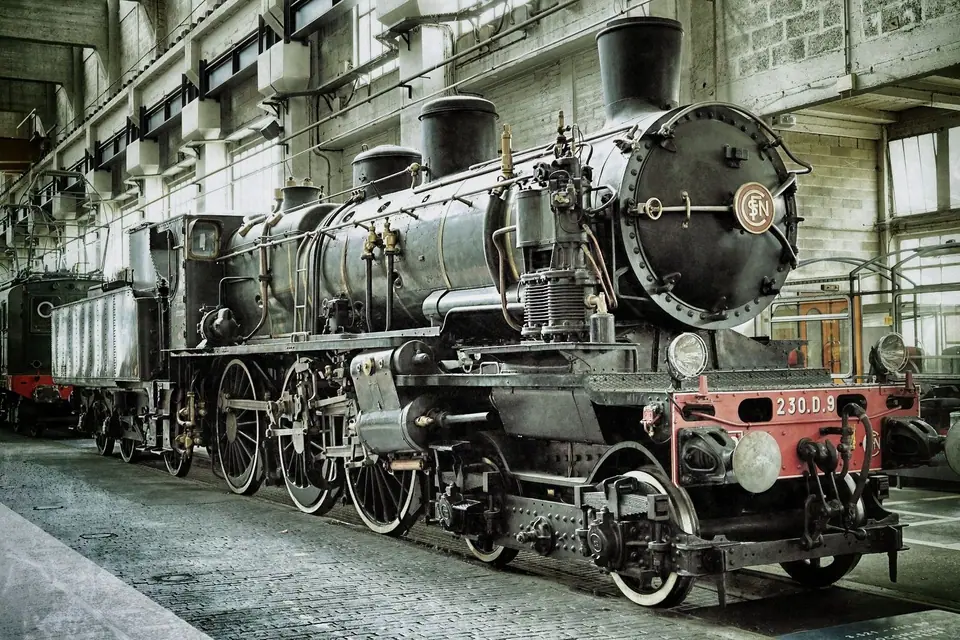
The railway pavilion, in a building inspired by a nineteenth-century station, holds historic steam and electric locomotives and carriages, including luxurious royal coaches. The air and water pavilion displays ships' bridges, a section of a transatlantic liner, sailing boats, seaplanes and aircraft. Children love climbing into cabins and imagining long journeys, and the scale of the machines is impressive even for adults.
Science and hands-on learning
Other galleries cover space exploration, energy, materials, telecommunications, food and agriculture. Interactive laboratories, called i.lab, offer hands-on activities on subjects such as chemistry, robotics and biotechnology, led by museum staff. They are popular with school groups and families, and some activities are offered in English at weekends and during holidays.
Make it accessible to different ages
The museum is very large, and it is impossible to see everything in one visit. We let each person choose one gallery, then agree on shared highlights such as the submarine, the railway pavilion and the Leonardo models. Younger children enjoy the interactive spaces, while older visitors may prefer the historic collections. The cloisters and courtyards provide places to rest, and there is a café on site.
The monastery building
The museum's home deserves attention in its own right. The Olivetan monks built the monastery of San Vittore in the sixteenth century, and the cloisters, refectory and corridors have been preserved and adapted. After serving as a military hospital and barracks, the building was heavily bombed in 1943 and restored for the museum's opening. Walking through the cloisters between galleries, visitors pass from Renaissance architecture to twentieth-century machines in a few steps, a contrast that suits a museum named after Leonardo.
Planning the visit
The museum is busiest with school groups on weekday mornings and with families at weekends. Afternoons on weekdays are often calmer. The submarine tours and laboratory activities are the parts most likely to fill, so we reserve them first and plan the rest of the visit around them.
Our view
The science museum is a strong choice for a rainy day or for families, and it rewards adults who enjoy machines and engineering. Allow at least half a day. Metro M2 stops at Sant'Ambrogio, a short walk away. After the museum, we visit Sant'Ambrogio next door and walk to San Maurizio, or continue to the Ambrosiana, where pages of Leonardo's Codex Atlanticus show the drawings behind the models. Our three-day itinerary includes this area on the second day.
Traveller tips
Real advice from people who have been to National Museum of Science and Technology. Every tip is read by our team before it goes live.
No tips yet. Been here? Yours could be the first.
Thank you! Your tip will appear here after a quick review.
More in Milano
Continue exploring Milano with related neighbourhood, food, and planning guides