Hongkou and Duolun Road Guide
What Hongkou offers, from literary streets to quiet lanes and parks.
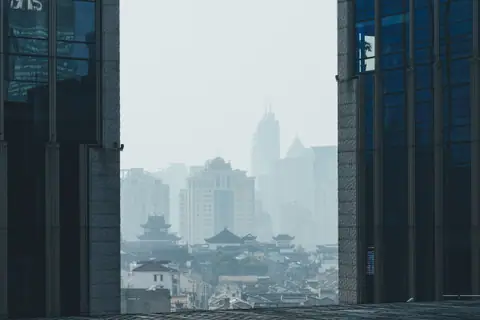
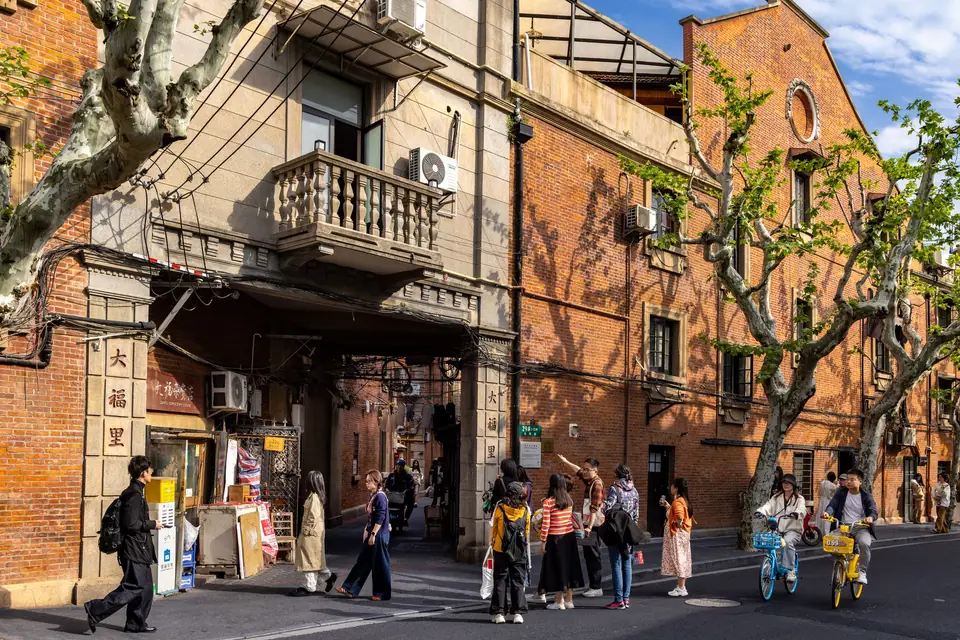
Hongkou is the district north of Suzhou Creek, and for many visitors it is a pleasant surprise. It has fewer towers and fewer tourists than central Shanghai, and a lot more everyday life, with old lane houses, small markets and neighbourhood parks. It also has a deep history, because in the early twentieth century it was home to many writers, artists and, later, refugees.
Exploring Duolun Road
The heart of the area is Duolun Road, a short pedestrian lane that is lined with old houses, antique shops, small museums and cafes. In the 1930s a number of leading left-wing writers lived and worked in the area, and the street today is often called a cultural street. Bronze statues of writers and artists are placed along the road, and the lane has an easy, unhurried feel that suits a slow stroll. It is not very long, so you can walk it in half an hour, or linger for two.
A church with a Chinese roof
One building stands out: a church built in the style of a Chinese temple, with upturned eaves, red columns and decorative beams, but used for Christian worship. It is a clear example of the way that Shanghai blended influences, and it is a fascinating contrast with the stone churches in the western style. Check opening times and whether visitors are allowed inside, because the church is often reserved for services.
Lu Xun and the park
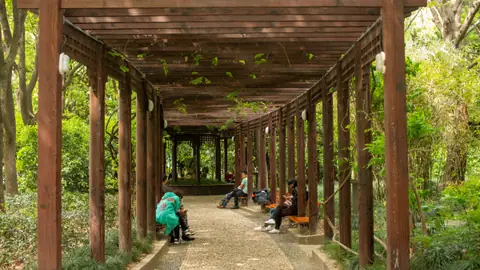
Lu Xun, one of the best-known modern Chinese writers, lived in the district in his last years, and his memory is honoured in a large park nearby. The park holds his tomb and a memorial hall, and it is also a lively place for local life, with people exercising, singing and practising calligraphy with water on the paving. If you like quiet green spaces, it is a restful stop.
A district of refugees
Hongkou also has a special place in the story of Jewish refugees who fled Europe. The area around the old synagogue was one of the places where they lived and worked, and today the Jewish Refugees Museum tells this story with respect and detail. It is a short walk or taxi ride from Duolun Road, and the two sights fit together well.
Local food
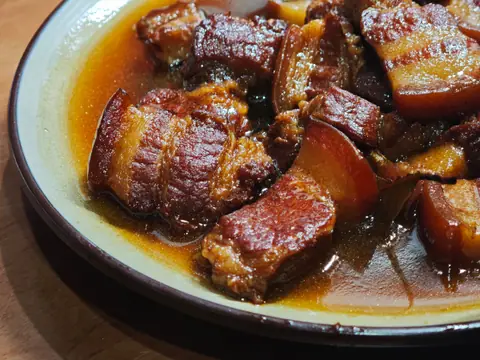
The streets around Duolun Road are full of small restaurants, noodle shops and street stalls. Hongkou is a fine place to eat a cheap, local meal, with dumplings, pancakes and soups at modest prices. For more ideas, read our street food guide. Follow the queues, because locals know the best places.
Practical tips for walking Hongkou
The district is a grid of long blocks, so distances on the map can be misleading, and a taxi or bike saves tired legs between sights. Public toilets are scarce, so use a cafe when you can. Carry a phone payment app or some cash for small shops, and keep a translation app handy, because English is less common here than in the centre.
Best seasons for walking
Weekday mornings are calm and the light is soft on the old brick. Weekends bring more local visitors and some small markets. Spring and autumn are ideal for walking, and summer afternoons are best spent in a cafe or museum.
Arriving in the district
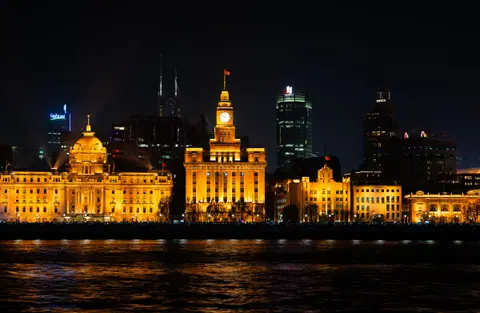
Several metro lines serve Hongkou, and a short taxi ride from the Bund takes only a few minutes. If you walk from the river, cross Suzhou Creek at Waibaidu Bridge and follow the streets north. Study your route on a map, because the district is a grid of long blocks.
Sights you can skip
You do not need to visit every statue and shop, and you can skip the souvenir stalls if you prefer a quieter walk. If you are short of time, combine Duolun Road and the refugee museum in a half-day outing.
Traveller tips
Real advice from people who have been to Hongkou and Duolun Road. Every tip is read by our team before it goes live.
No tips yet. Been here? Yours could be the first.
Thank you! Your tip will appear here after a quick review.
More in Shanghai
Continue exploring Shanghai with related neighbourhood, food, and planning guides