M50 Art District Guide
What M50 is, how its galleries work, and how to plan an afternoon.
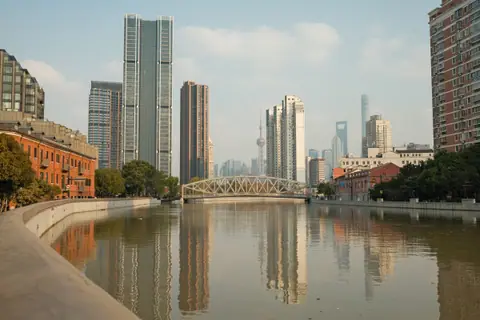
M50 is the area in Shanghai where contemporary art found a home in old industrial buildings. It takes its name from its address on Moganshan Road, and it occupies a cluster of former textile mills close to Suzhou Creek. Since the early 2000s the brick workshops have filled with galleries, studios and small shops, and the lanes between them are covered with murals and graffiti. It is a handy place to see what Chinese artists are making now.
Evolution of the mills
The mills were part of the industrial belt that ran beside the creek, and when production moved away the buildings were left empty. Artists took advantage of cheap space and high ceilings, and they were soon followed by dealers and curators. Over the years the district has changed, with some galleries moving to newer art areas such as the West Bund, but M50 remains an informal place to wander.
Art exhibitions and displays
The galleries show painting, sculpture, photography, video and installation, and the quality varies widely, from serious international work to small commercial shows. Some of the most experimental pieces are in the smaller spaces, and some of the best galleries are tucked up staircases or in side buildings. Look at the posters at the entrance to see what is on, and step inside whatever catches your eye.
Entry and opening days
Entry to the district and most galleries is free, and visitors are welcome to walk in. Most galleries close on Mondays, and many open late in the morning, so plan to arrive around midday or later. Opening dates for exhibitions change, so confirm the current listings before you go. Some galleries have limited hours or open only by appointment.
Street art and studios
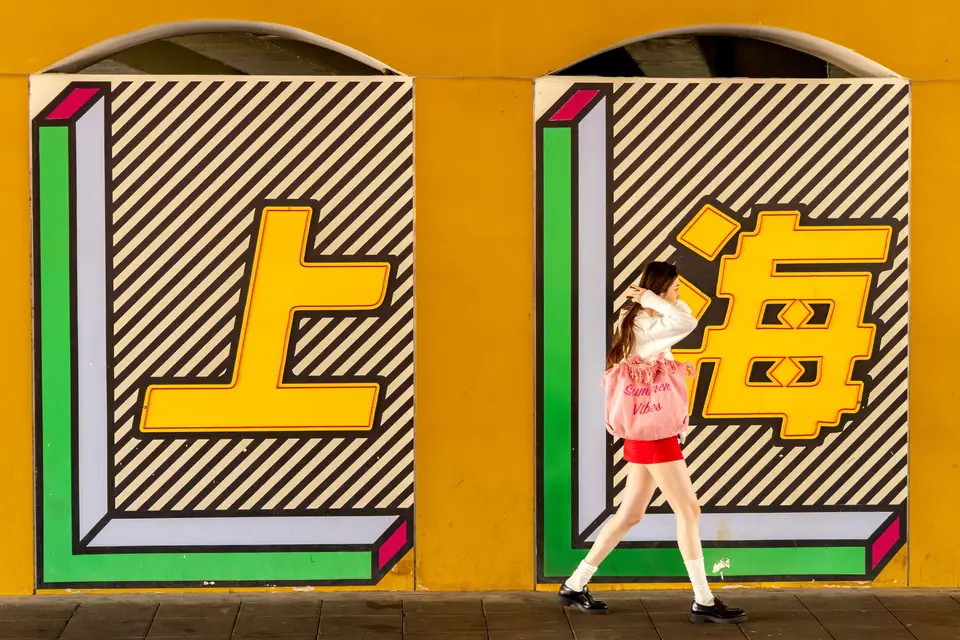
The lanes between the buildings are covered with murals, stencils and sculptures, and they are an open-air gallery in their own right. A few artists keep working studios that you can visit, and you may meet the artist on the spot. Be polite and ask before taking photographs of works in progress, since some artists do not allow it.
Cafes and breaks
There are a handful of cafes and small restaurants in and around the district, and they are a pleasant place to rest between galleries. Menus are simple, with coffee, tea and light meals. If you want a fuller meal, you can walk to the nearby streets or take a short taxi ride toward the French Concession.
Practical tips
Wear comfortable shoes, because the courtyards are paved with uneven stone and you will walk more than you expect. Many labels are in Chinese only, so a translation app on your phone is useful, and gallery staff are usually happy to explain a work if you ask politely. Some galleries ask you not to photograph the art, so look for signs before you raise your camera, and do not touch the works.
Reaching Moganshan Road
The nearest metro stations are a walk of fifteen to twenty minutes away, and a short taxi ride is easy from the centre. The route along the creek is pleasant on foot, so consider walking part of the way. The Suzhou Creek path is a quiet way to arrive.
Scheduling your visit
Allow two to three hours for a relaxed visit, or half a day if you want to see every gallery and stop for lunch. The area is compact, but there is a lot to see, and it is easy to lose track of time.
Combining nearby sights
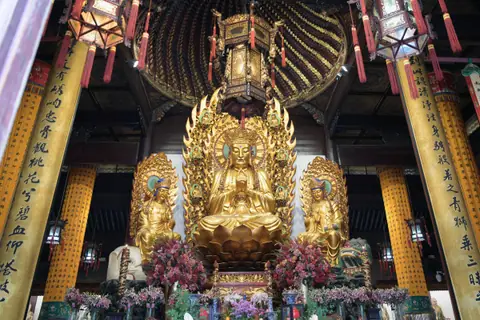
M50 fits neatly with the Jade Buddha Temple, which is not far away, and with a walk along the creek. For a bigger museum experience afterwards, the Power Station of Art is a solid next stop.
Filtering your stops
You do not need to see every gallery, and you can skip the shops that sell mass-produced prints. If you dislike crowds, go on a weekday afternoon.
Traveller tips
Real advice from people who have been to M50 Art District. Every tip is read by our team before it goes live.
No tips yet. Been here? Yours could be the first.
Thank you! Your tip will appear here after a quick review.
More in Shanghai
Continue exploring Shanghai with related neighbourhood, food, and planning guides