Shikumen Architecture Guide
What shikumen houses are, how they work and where to see them today.
Shikumen means stone gate, and it describes the type of lane house that once held most of Shanghai's population. The style combined the terraced rows of Western cities with the courtyard layout of traditional Chinese homes, and it produced a dense, sociable way of living that shaped the city for a century. Today only a fraction of the lanes survive, but they are the soul of old Shanghai and rewarding to seek out.
How the style began
The first lane houses appeared in the 1870s, when waves of refugees from nearby regions poured into the foreign settlements and developers needed to house them quickly. Building rows of similar houses along narrow lanes was fast, cheap and profitable. Over the following decades the design changed, and later lane houses were more Western in look, with gardens, balconies and plainer doorways, but the early stone-gate form remains the most loved.
The anatomy of a house
A typical house had a gate framed in stone, often with a decorated lintel above a black wooden door. Beyond the door lay a small courtyard, then a main room for family and guests, with bedrooms above. A small room above the kitchen at the back, known as the pavilion room, was a favourite for students and writers, because it was cheap and quiet. Walls were brick, floors were timber and roofs were tiled, and the whole row shared the lane.
Life in the lane
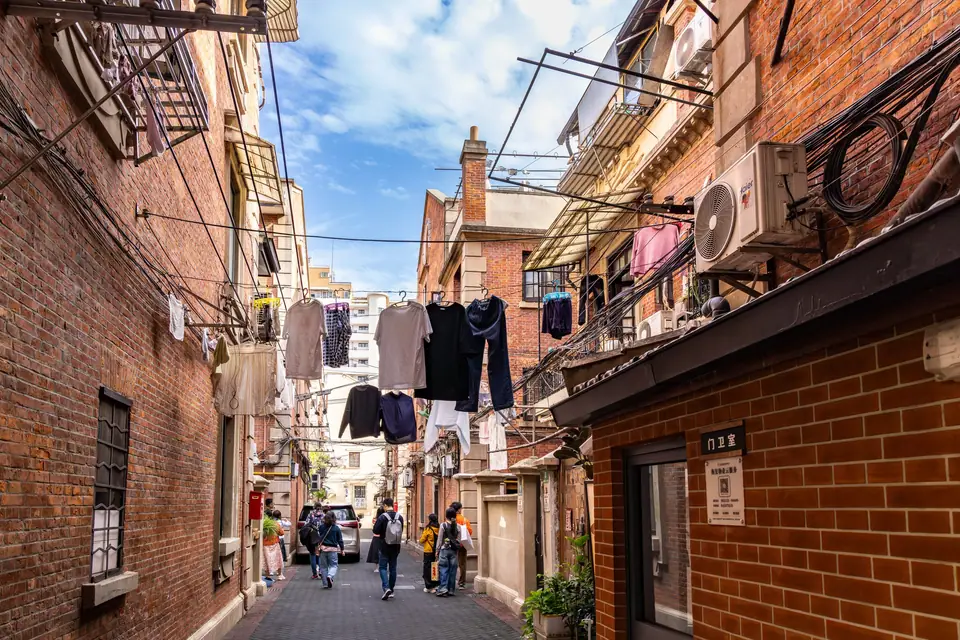
The lanes were a kind of village inside the city. Neighbours shared stoves, taps and gossip, children played in the passages and washing hung from poles overhead. The close contact created strong communities, and many older residents remember it with warmth, even though the houses were crowded and lacked modern plumbing. The sounds and smells of cooking drifting through the lane are still part of the experience today.
Where to see restored lanes
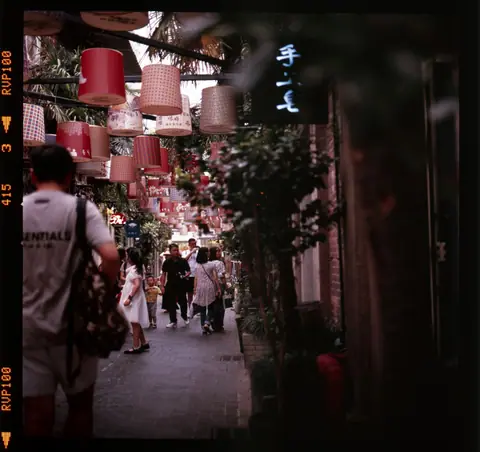
Two of the best-known places have turned old lanes into leisure districts. Xintiandi is the polished version, with restaurants and a small museum that recreates a family home. Tianzifang is the lived-in version, with studios, shops and homes side by side. Both show the architecture clearly, though both are changed for visitors.
Where to see living lanes
For a more honest picture, walk the side streets of the French Concession and of Hongkou, where many lanes are still homes. Look for archways with lane names, often ending in the word li, and for the stone gates between buildings. Be discreet, walk quietly and do not point cameras through doors, because these are private homes.
A building under pressure
Since the 1990s, large numbers of lanes have been cleared for roads and towers, and residents have moved to apartments on the edge of the city. Preservation efforts have saved some of the best examples, but many lanes remain at risk. Some neighbourhoods have chosen to renovate rather than rebuild, adding plumbing and kitchens while keeping the brick and stone. The debate about what to keep continues.
How to photograph them
The best light is in the morning and late afternoon, when the brick glows and the shadows are long. Shoot the stone gates, the lane name plates, the rooflines and the daily details such as bicycles and laundry. Ask before you photograph any person at close range, and respect any signs asking you not to enter.
Pairing it well
The houses link naturally with the Art Deco buildings of the same era, and with a walk through Fuxing Park and the nearby lanes. For the wider story of the city, the Shanghai Museum adds context.
What to skip
You do not need to visit every restored lane, and you can skip the busiest ones at weekends. If you only have an hour, choose one restored lane and one living lane for contrast.
Traveller tips
Real advice from people who have been to Shikumen Architecture. Every tip is read by our team before it goes live.
No tips yet. Been here? Yours could be the first.
Thank you! Your tip will appear here after a quick review.
More in Shanghai
Continue exploring Shanghai with related neighbourhood, food, and planning guides