Shanghai Confucian Temple Guide
What the Confucian Temple is, why it feels calm and what to look for.
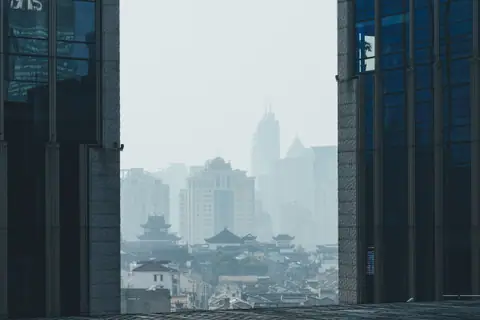
Not far from the crowds of the City God Temple and Yu Garden lies one of the calmest spots in the old city. The Shanghai Confucian Temple, known locally as Wen Miao, is a quiet courtyard of old trees, stone paths and tiled halls dedicated to the philosopher Confucius and to the tradition of scholarship. Few visitors find it, which is exactly the appeal.
A short history
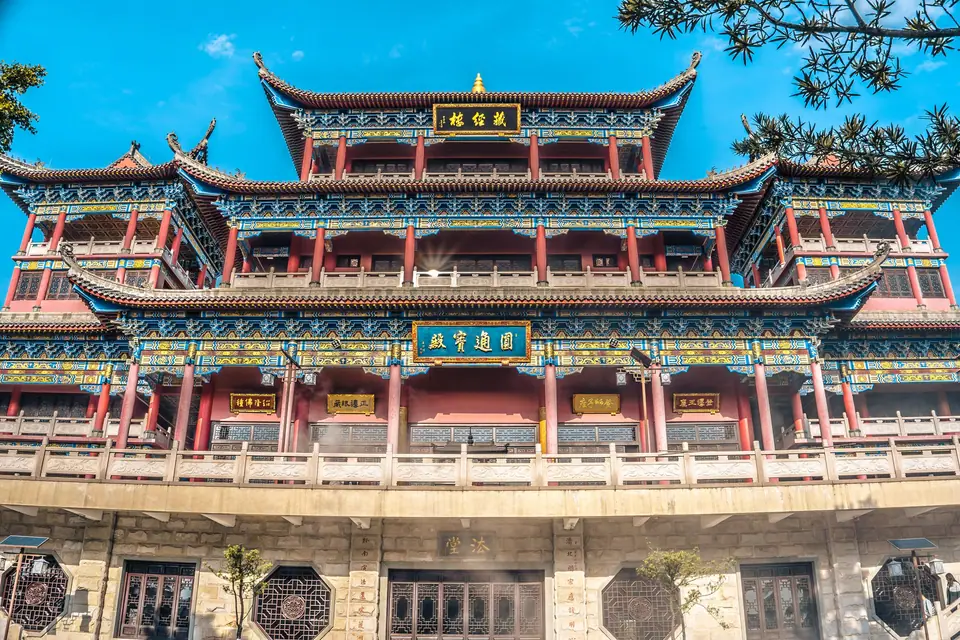
The temple was first founded in the late thirteenth century, during the Yuan dynasty, when Shanghai became a county. It was moved to its present site in the middle of the nineteenth century and rebuilt in the style of a classic imperial-era temple, with a gate, courtyards and a main hall. Over the years it has been a school, a shrine and a place for local scholars. Today it is a quiet cultural site and a link to a very different side of Shanghai.
What Confucius means here
Confucius, who lived around the sixth century BC, taught ideas about family duty, moral conduct and learning that shaped Chinese society for more than two thousand years. Temples like this were places for students and officials to honour him, and to pray for success in exams. Even today, students and parents come to hope for strong results, and you may see wishes tied to trees or written on tablets. Knowing a little of the story makes the courtyard more meaningful.
What to look for
Walk through the gate and look at the layout, which follows a strict north-south axis. The main hall holds a statue of Confucius and plaques that praise his teaching. The courtyards have old stone steps, carved details and large trees that give shade in summer. A small exhibition area shows items from the history of education, and there is often calligraphy to look at.
The Sunday book market
On Sundays, the temple compound hosts a book market. Stalls sell second-hand books, magazines and old prints, and collectors and students come to browse. Most books are in Chinese, so the market is more useful to readers of the language, but it is still a pleasure to browse for old posters, stamps and curiosities. Confirm the schedule before you go, because the market can change.
Entry and hours
There is a small entrance fee, and the temple is usually open during the day. The grounds are compact, and a visit takes under an hour. Check the latest hours and any closed days before you set out. Toilets and a tea corner are sometimes available, though facilities are basic.
Visiting well
The atmosphere here is gentle and contemplative, so keep your voice low and respect worshippers and students who come to reflect. Photography is generally fine in the courtyards, but see signs near the halls. Avoid blocking paths, and do not climb on the stone features.
Getting there
The temple sits in the old city, a short walk from the lanes around the City God Temple. The nearest metro stations are in the south of the old city, and from there a short walk through narrow lanes brings you to the gate. A taxi can also drop you close by.
Pairing it well
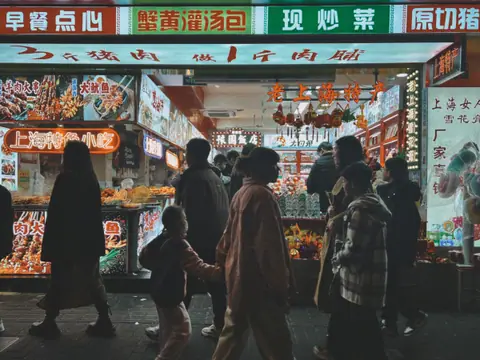
The temple pairs easily with Yu Garden and the old city lanes. After the garden's crowds, an hour in the courtyard is a restful contrast. For a more active day, add a stroll through the old streets and a snack stop from our street food guide.
What to skip
You do not need to visit on a Sunday unless you want the books, and you can skip the temple if you are short of time and have already seen other temples. It is a small place, best enjoyed slowly.
Traveller tips
Real advice from people who have been to Shanghai Confucian Temple. Every tip is read by our team before it goes live.
No tips yet. Been here? Yours could be the first.
Thank you! Your tip will appear here after a quick review.
More in Shanghai
Continue exploring Shanghai with related neighbourhood, food, and planning guides