Shanghai Museum Guide
What the Shanghai Museum holds, how to book and which galleries to pick.
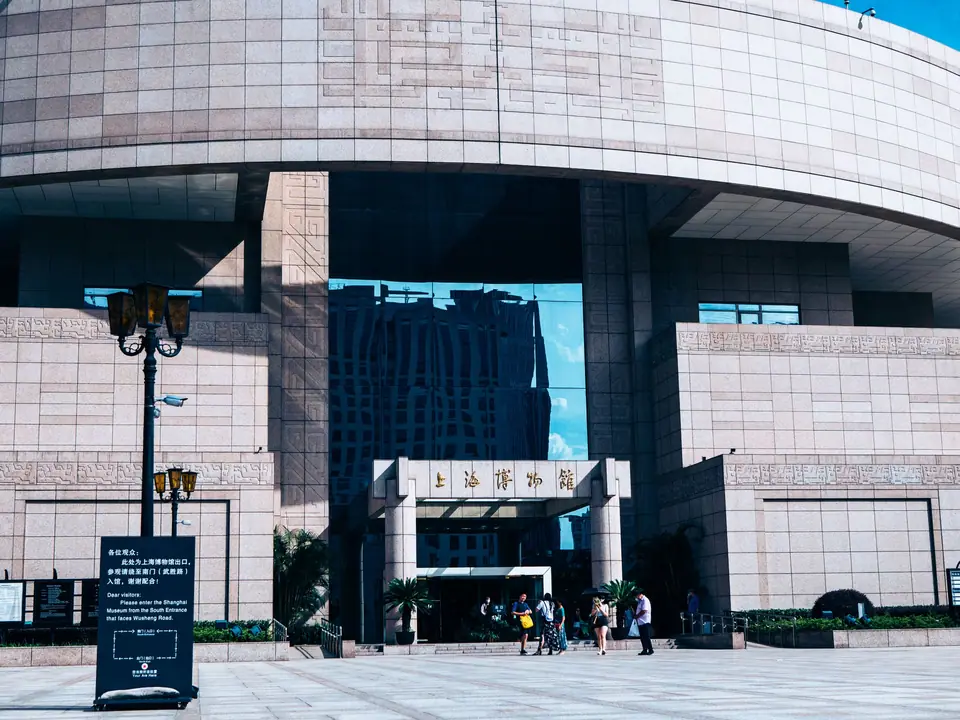
The Shanghai Museum is the best single place in the city to learn about Chinese art. It opened in 1996 in a building shaped like an ancient bronze vessel, with a round top and a square base that echoes an old idea of heaven and earth. The collection is huge and thoughtfully arranged, and, importantly for visitors on a budget, entry is free, though you usually need to book a timed slot.
What is inside
The permanent galleries cover bronzes, ceramics, calligraphy, painting, jade, seals, coins, furniture and the costumes and crafts of China's many ethnic groups. The bronze gallery is a highlight, with ritual vessels thousands of years old that are decorated with mysterious animal faces. The ceramics gallery follows the story from simple pots to porcelain, and the calligraphy and painting rooms are dim and quiet, because the works are fragile and are rotated often.
How to book
Tickets are free but timed, and slots are released through the official booking system, which can change. Visitors from overseas normally need a passport to register and to enter, so bring it. Consult the official page for the latest rules, opening days and booking times before you travel, because the museum closes on some days and slots can fill up in busy seasons.
A two-hour route
If you only have two hours, start with the bronzes on the ground floor, then take the ceramics gallery and finish with the paintings and calligraphy upstairs. Skip the coins and seals unless they interest you, and leave the furniture and minority costume galleries for a longer visit. The audio guide is useful if you want context, and the museum shop sells fine reproductions and books.
Reading the objects
Take your time with a few pieces rather than hurrying past everything. Bronzes were made for ceremonies and ancestor worship, and the inscriptions often record events or gifts. Ceramics show the changing taste of each dynasty, from the glazes of the Tang to the blue-and-white wares of the later centuries. The paintings use ink and silk and are meant to be read slowly, with attention to brushwork and empty space. The jade gallery shows how highly the stone was prized for ritual and burial, and some pieces are astonishingly fine for their age.
Facilities
There is a cloakroom for bags, a cafe, clean toilets and a decent shop, and lifts and ramps make the building easy for wheelchairs and prams. Photography without flash is usually allowed in many galleries, but rules vary from room to room, so look for the signs.
Best time to go
Weekday mornings are the quietest, and the museum is much busier at weekends, school holidays and rainy afternoons. Arrive when it opens, and you can enjoy the galleries before the tour groups arrive. Bag checks and security lines can take a few minutes.
Another branch
A second branch of the museum has opened in Pudong in recent years, so check which building your ticket is for before you set off. The original is on People's Square, in the centre of the city, and is the easiest to combine with other sights.
Pairing it well
The museum pairs naturally with People's Square and a stroll in the park, and it sits at the start of Nanjing Road. For another side of the city's story, the Jewish Refugees Museum and the Power Station of Art show modern history and contemporary art.
What to skip
You do not need to see every gallery in one visit, and it is fine to leave some rooms for later. Do not rush past the bronzes to reach the gift shop. If the booking system is full, try a different day or a weekday morning, and avoid third-party resellers who charge for a free ticket.
Traveller tips
Real advice from people who have been to Shanghai Museum. Every tip is read by our team before it goes live.
No tips yet. Been here? Yours could be the first.
Thank you! Your tip will appear here after a quick review.
More in Shanghai
Continue exploring Shanghai with related neighbourhood, food, and planning guides