Old City and City God Temple Guide
How to explore the old walled city, the City God Temple and its lanes.
Long before the Bund and the towers, Shanghai was a small walled county town, and the district around the City God Temple still holds the memory of that older city. The walls were pulled down in the early twentieth century, and a ring of roads now follows their line, but behind them a tangle of lanes, shops and old houses survives. It is touristy in parts and very local in others, and the contrast is the reason to come.
The City God Temple
The temple is a Daoist complex that honours the guardian spirit of the city, and it has been a centre of local worship for centuries. Its halls, incense and statues give a quieter, more devout side of the old city, set against the noise of the bazaar outside. Visitors are welcome, but remember that it is a place of worship, so keep your voice low, dress modestly and ask before you photograph worshippers.
Fangbang Road
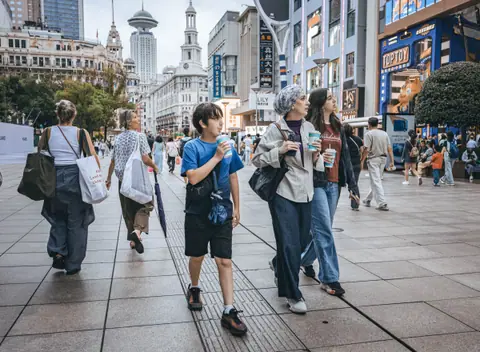
This pedestrian lane is lined with traditional-style shops selling antiques, calligraphy supplies, tea, snacks and souvenirs. It is livelier on weekends, when a market sells collectables, and quieter on weekday mornings. Look closely before you buy anything described as old, because many of the antiques are reproductions, and price your purchases against shops elsewhere.
Snacks and dumplings
The area is famous for its snack shops. Steamed buns and soup dumplings are the headline, and some well-known dumpling houses draw long queues at weekends. Read our soup dumpling guide for how to eat them and what to look for. Smaller stalls sell sweet rice balls, skewers and fried snacks, and these are often cheaper and just as satisfying.
A surviving piece of wall
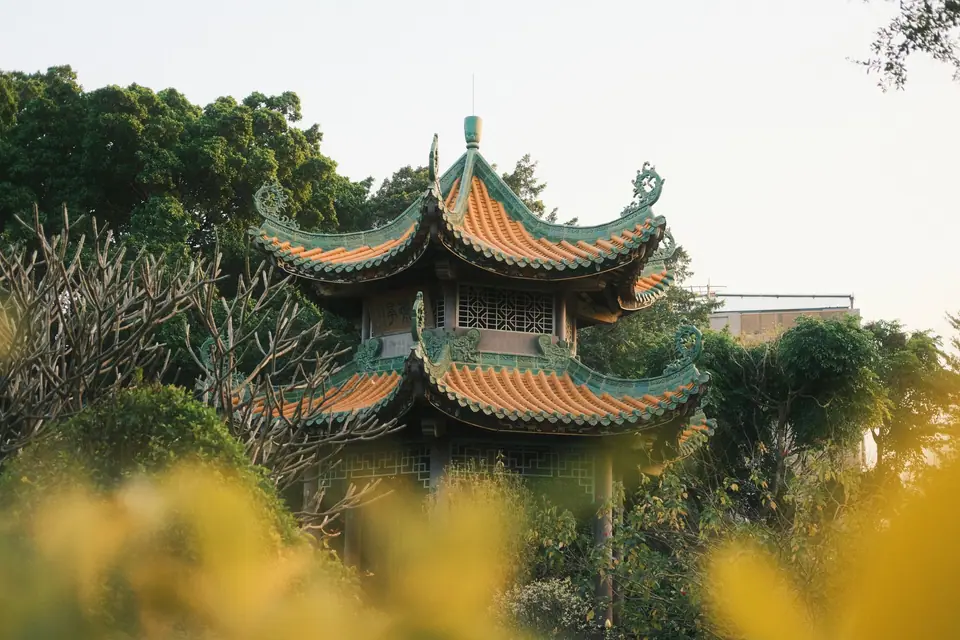
One of the best finds is the Dajing Pavilion, a tower that stands on a short surviving stretch of the old city wall. It is a small, calm spot, with a little museum about the history of the walled city and the lanes around it. Few tourists reach it, so it is a simple way to escape the crowds and see a real piece of old Shanghai.
Lanes and local life
Away from the bazaar, the old city is a residential district where people hang laundry from windows, play cards in the lane and cook on tiny stoves. Walk with respect, and do not photograph people in their homes. The streets are narrow, and some are rough underfoot, so wear comfortable shoes. Many of the old houses are being renovated, and the district is changing quickly, so a visit now may look different in a few years.
Nearby sights
The old city sits right beside Yu Garden, so the two are easy to combine. The Confucian Temple is a short walk away and is much quieter. The Bund is a pleasant stroll to the north, passing through older streets on the way.
Getting there
Yuyuan Garden station on line 10 is the closest stop for the bazaar, and Laoximen station, on lines 8 and 10, is a solid way in from the south. From either, a short walk along the busy ring road and then into the lanes brings you into the old city, and it rewards wandering without a fixed plan.
How long to allow
Allow two to three hours for the temple, a lane walk and a snack, or half a day if you also visit the garden and the wall tower. The old city is best explored slowly, with stops for tea and a bite, and not as a checklist.
When to go
Weekday mornings are the best time to see the lanes in a calm light, and the bazaar is lovely in the evening when the lanterns are lit. Weekends and holidays are packed, and the narrow lanes can feel crowded.
What to skip
You do not need to queue for the most famous dumpling shop if the line is long, because a neighbouring stall will serve you faster. Skip the souvenir shops with unmarked prices, and decline invitations to tea tastings from strangers.
Traveller tips
Real advice from people who have been to Old City and City God Temple. Every tip is read by our team before it goes live.
No tips yet. Been here? Yours could be the first.
Thank you! Your tip will appear here after a quick review.
More in Shanghai
Continue exploring Shanghai with related neighbourhood, food, and planning guides