Shanghai Science and Technology Museum Guide
What the science museum offers, which galleries to pick and how to plan.
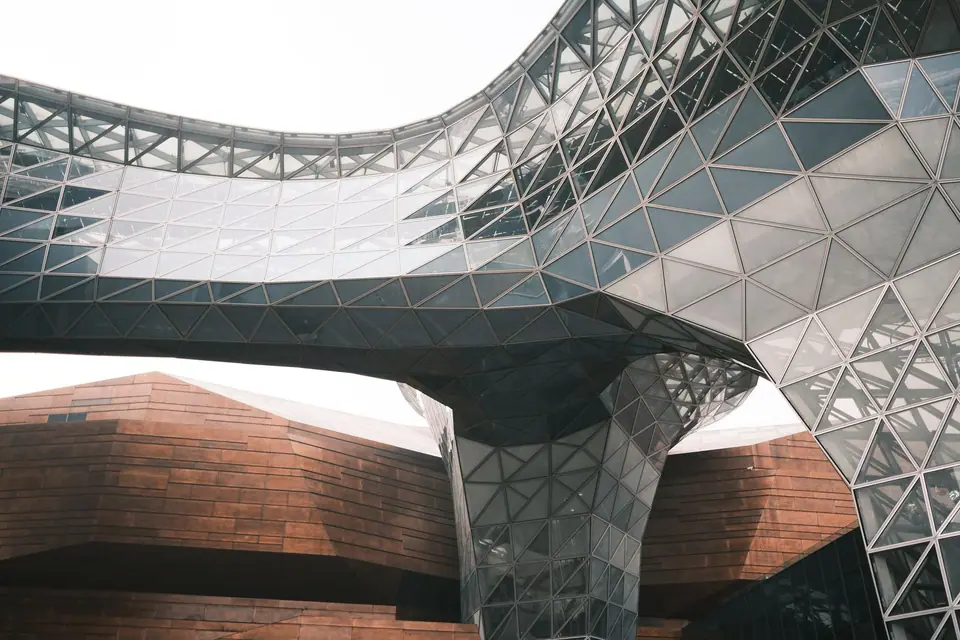
The Shanghai Science and Technology Museum is one of the largest science museums in China, and it is a sound rainy-day choice for families. It opened in 2001 in a big modern building in Pudong, and it fills several floors with hands-on galleries about nature, space, technology and life. It is lively and noisy, and children tend to love it, so plan for a day of play and learning.
What is inside
The museum is organised into themed galleries, each with its own style. Some focus on the natural world, with displays about life, evolution and the earth. Others look at space, light, sound, robots, energy and the human body. Many exhibits invite you to push buttons, turn handles and try experiments, so it is a place for doing, not just looking. A children's area is designed for the youngest visitors, with soft play and simple experiments.
The big-screen theatres
The museum has large-format cinemas that show films about nature, space and science. They are an easy way to rest tired feet while still learning, and children usually enjoy the huge screens. Verify the programme and the ticket options, since films may require a separate ticket, and showings may be limited. Most films have Chinese narration, so confirm for language options.
Choosing what to see
The museum is big, so pick a few galleries rather than trying to see everything. For young children, the children's area and the animal and nature galleries are the most popular. For older children and adults, the technology and space galleries are more engaging. Look at the floor plan at the entrance and agree on a plan, because the building can be tiring.
Tickets and hours
There is an entry fee, and some special exhibitions or theatres have extra charges. The museum usually closes one day a week, often Monday, so look up before you go. Buying tickets online or via the official app saves time at the gate. Allow four hours for a proper visit, or a full day if you want to see the films and the special shows.
Language
Most labels and instructions are in Chinese, with some English, so the museum is easier for older children and adults who can read the signs or use a translation app. Younger children enjoy it regardless, because the exhibits are visual and interactive. Staff are friendly and often happy to help with simple questions.
Making the day work
Arrive when the doors open, because the best interactive exhibits get busy by late morning and school groups fill the galleries on weekdays. Take a short break every hour or so, since the noise and lights tire small children quickly. Agree on a meeting point in case anyone gets separated, and keep a charged phone and a snack in your bag.
Food and rest
The museum has cafes and a food court, with simple meals and snacks. Prices are moderate, and queues form at lunchtime, so eat early or late. Bringing a water bottle is useful, and there are benches and rest spaces. Strollers and wheelchairs are generally easy to use, with lifts between floors.
Getting there
The museum has its own metro station on line 2, so it is easy to reach from the centre or the airport. It is close to Century Park, which makes a lovely pairing for a long family day. The same line connects to Lujiazui and the airport links.
Pairing it well
A solid plan is a morning in the museum, a picnic lunch in the park and a walk by the lake in the afternoon. For a different kind of family day, Shanghai Disney Resort is a bigger but more expensive outing.
What to skip
You do not need to see every gallery, and you can skip the museum if you have no children and prefer art or history. On public holidays and weekends, it can be very crowded, so choose a weekday morning if your plans allow.
Traveller tips
Real advice from people who have been to Shanghai Science and Technology Museum. Every tip is read by our team before it goes live.
No tips yet. Been here? Yours could be the first.
Thank you! Your tip will appear here after a quick review.
More in Shanghai
Continue exploring Shanghai with related neighbourhood, food, and planning guides