Nanjing Road Guide
What Nanjing Road offers, east and west, and how to avoid the tourist traps.
Nanjing Road is the street most visitors think of when they imagine Shanghai shopping, and it is really two streets in one. East Nanjing Road is the famous pedestrian stretch of about a kilometre that runs from the the Bund to People's Square, with neon, big stores and thick crowds. West Nanjing Road continues beyond the square and is lined with upmarket malls, hotels and offices. The two ends have very different moods, and your choice depends on your preference for atmosphere or for shopping.
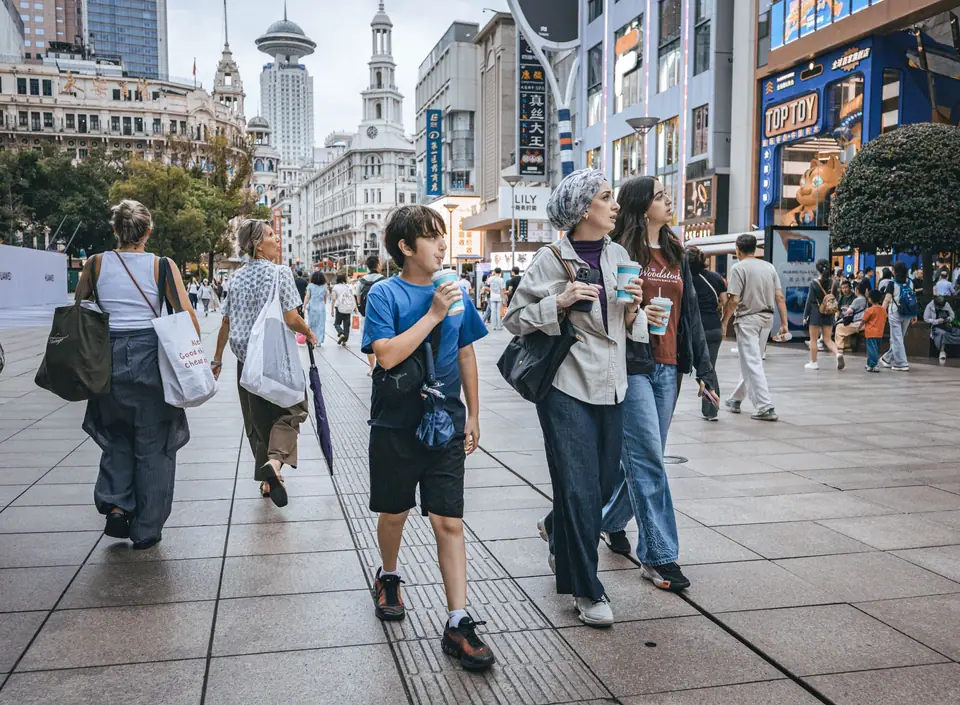
East Nanjing Road Pedestrian Zone
This is the old commercial heart of the city. In the early twentieth century, grand department stores, restaurants and theatres filled the street, and some of that history survives in the facades and in a few long-running shops. Today the pedestrian zone is a mix of chain stores, souvenir shops, food stalls and some older names selling local sweets and snacks. A small tourist train rolls up and down for people who are tired of walking, and the street is at its most photogenic after dark, when the signs light up.
West Nanjing Road Malls and Temples
West of People's Square the street becomes a luxury and office district, with large malls, international brands and quiet hotel lobbies. It is the better choice for serious shopping and for air-conditioned escape in summer. It runs toward Jing'an Temple, where the temple's golden roofs sit among glass towers, and the mix of old and new is one of the most striking views in the city.
What to buy and where
For gifts, look for local sweets, tea, silk and small crafts rather than copied brands. The older food stores on the eastern stretch sell candies and baked goods that locals buy to take home, and these make easy presents. Prices in the busiest shops can be high for visitors, so compare before you buy and ask if there is a receipt and a returns policy. For fashion and electronics, the western malls are more reliable than street stalls.
Avoiding local scams
Nanjing Road is the home of the friendly-stranger routine. Someone, often a pair of young people, will start a conversation in English and then suggest tea, a drink or an art show nearby. The bill that follows can be huge. The simplest rule is to politely decline invitations from people you have just met, and to avoid massage and tea offers from touts. Genuine locals rarely approach tourists in the pedestrian zone, so a firm no and a smile will usually end it.
Timing your visit
Early evening is the best time, when the light is soft and the neon is just coming on. Weekends and public holidays are extremely busy, with slow-moving crowds that can make it hard to enjoy the street. Weekday mornings are calm, but many shops open late, so the street can feel quiet before ten.
Arriving by metro
East Nanjing Road station, on lines 2 and 10, sits right at the pedestrian zone, and People's Square station is at the other end. You can walk between the two in about twenty minutes, or ride the little train. West Nanjing Road has its own stations on lines 2, 12 and 13, which makes it easy to dip in and out.
Combining with other sights
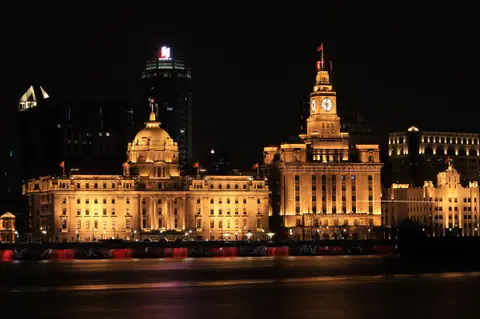
A simple route is to start at People's Square, walk east along the street and end at the river, where the lights of the Bund are the reward. If you want something quieter, turn off the main road into the side lanes, which have small restaurants and local life. For a meal that is not on the main street, try the dumpling houses in our soup dumpling guide.
Shopping choices to skip
You do not need to buy from the first shop you see, and you can skip the souvenir stores that charge double. Do not follow strangers to tea tastings. If you dislike crowds, take the evening walk on a weekday and look at the western malls on another day.
Traveller tips
Real advice from people who have been to Nanjing Road. Every tip is read by our team before it goes live.
No tips yet. Been here? Yours could be the first.
Thank you! Your tip will appear here after a quick review.
More in Shanghai
Continue exploring Shanghai with related neighbourhood, food, and planning guides