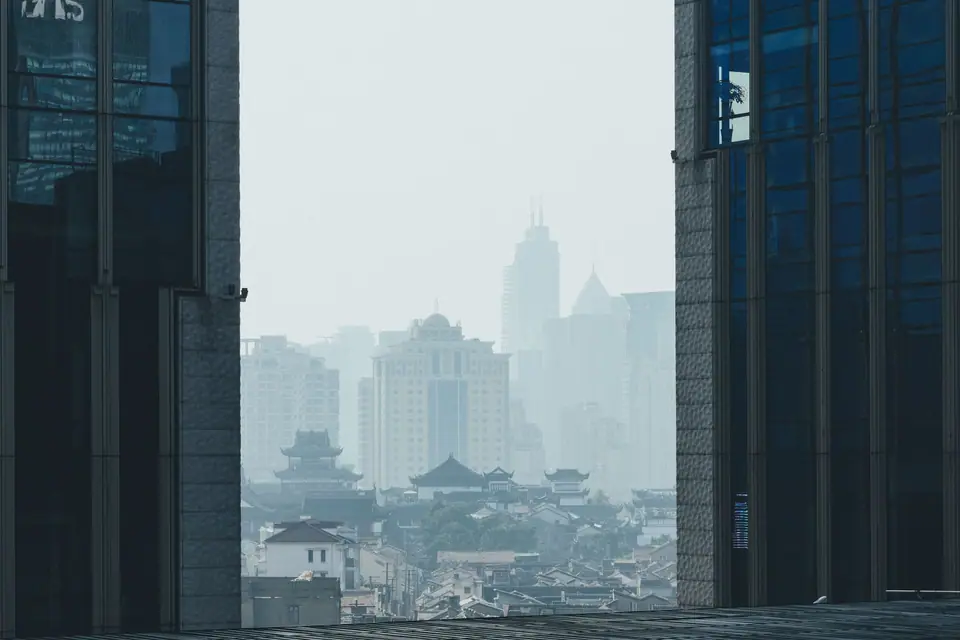
Shanghai Tea Houses Guide
How to enjoy tea in Shanghai and how to avoid the tea scam.
Drinking tea is one of the oldest habits in China, and a fine tea house is one of the quietest places to rest in a busy city. Shanghai has everything from old teahouses beside classical gardens to modern tea rooms in converted villas, and a pot of tea is an easy way to slow down for an hour. It is also the setting of one of the best-known scams for visitors, so it helps to know what to expect.
How Chinese tea works
Tea in China is usually brewed with loose leaves in a small pot or a covered cup, and the same leaves are steeped many times, with the flavour changing from cup to cup. The main types are green, black, oolong, white, pressed pu-erh and flower-scented teas such as jasmine. Each is brewed at a different temperature and for a different time, and a fine tea house will explain this if you ask.
Teas of the region
The Yangtze delta is famous for green teas, and two names are useful to know. Longjing, from the hills around Hangzhou, is flat, pale and gently sweet. Biluochun, from the area near Suzhou, is curled, fragrant and delicate. Spring teas are the most prized, and prices vary a lot with the grade and the season.
The teahouse at Yu Garden
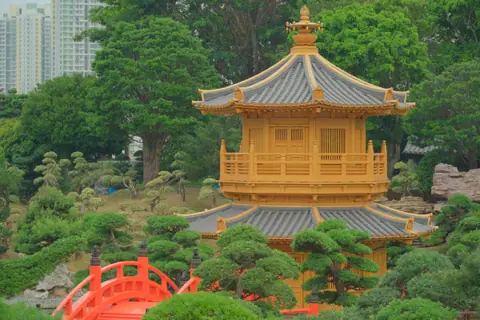
The most famous teahouse in the city stands on a pond beside Yu Garden, reached by a zigzag bridge. It is a handsome building with carved wood and lanterns, and it has served tea for generations. Prices are high and the crowds are heavy, but it is a classic experience to try once, ideally on a weekday morning. Read the price list before you sit down.
Quiet tea rooms
For a calmer cup, look in the lanes of the French Concession and around Tianzifang, where small tea rooms sit upstairs or in courtyards. These often have a menu in English, a table with a view and a seat for as long as you want. Many also sell tea to take home, and the staff will let you smell the leaves before you choose.
Tea etiquette
When someone pours for you, you can tap two fingers on the table as a quiet thank you. Pour for others before yourself, and keep your hand under the pot lid when you pour. Hot water is topped up for free, so you can stay a while. If the pot is empty and you want to signal that you are finished, leave the lid off.
The tea scam
The best-known trick begins when friendly strangers, often young people, invite you to practise English or to see an art show or a tea ceremony. You are led to a tea room where tiny cups are served and a huge bill follows, sometimes enforced by staff blocking the door. It happens most near The Bund and Nanjing Road. The answer is a polite no, and to choose your own tea house with the prices visible.
Buying tea
If you want to buy tea to take home, go to a reputable shop, ask to taste first and verify the price per weight before you agree. A large tea market on the west side of the city offers a wide range, but the best deals go to people who know what they are buying. Start with a small bag, and store it in a sealed container.
Best hours for a pot
Tea is solid at any time, but mornings and afternoons are best, when the light is soft and the room is quiet. Rainy days are perfect for a long cup. Weekends bring more visitors to the famous places.
Alternative cafe stops
You do not need an expensive tasting, and you can skip any place that will not show you a price. If you only want a cup of tea and a rest, a simple cafe will do.
Traveller tips
Real advice from people who have been to Shanghai Tea Houses. Every tip is read by our team before it goes live.
No tips yet. Been here? Yours could be the first.
Thank you! Your tip will appear here after a quick review.
More in Shanghai
Continue exploring Shanghai with related neighbourhood, food, and planning guides