Shanghainese Cuisine Guide
What to order in a Shanghainese restaurant and why the flavours differ.
Shanghainese cooking, known locally as benbang cai, is the home cuisine of the city and its surroundings. It is quieter than the fiery food of Sichuan and richer than the delicate dishes of Guangdong, and its signature is a balance of soy sauce, sugar and rice wine that gives a glossy, slightly sweet finish. It is the food that locals eat at family dinners, and it is a pleasure to try.
The flavour of the city
Dishes are often braised or stewed slowly in a mixture of soy sauce, sugar and spices, which gives them a deep brown colour and a mellow taste. Oil and sugar are used generously, so the food can feel rich, but it is rarely very hot. Fresh river fish, shrimp and vegetables from the Yangtze delta add lightness, and the cooking is often about showing the ingredient, not covering it.
The dishes to know
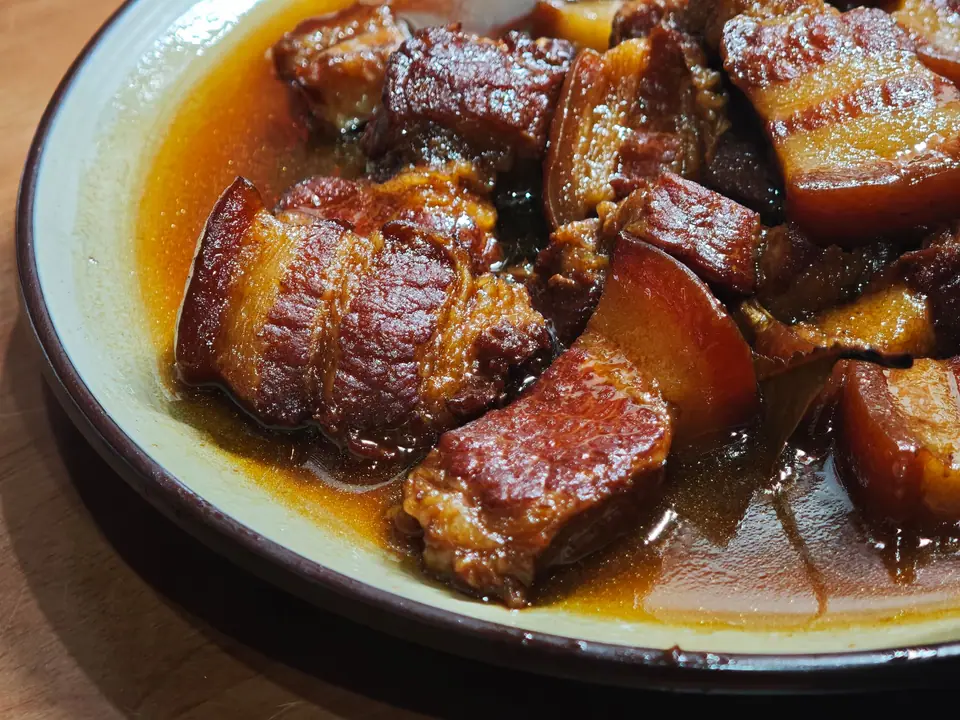
The signature dish is red-braised pork belly, cooked until the fat melts and glazed with a sweet-savoury sauce. Cold dishes are another highlight, including drunken chicken marinated in rice wine and smoked fish with a sticky sweet crust. Other favourites include stir-fried river shrimp, braised bamboo shoots, soups with tofu and greens, and scallion oil noodles, a humble bowl that locals adore. Try a few small plates to share.
Hairy crab season
In autumn, the city goes wild for hairy crabs, small freshwater crabs that are steamed whole and eaten for their sweet roe. The season usually runs from about October to December, and the crabs are served with ginger vinegar and warm rice wine. Eating one takes patience, and many restaurants offer set menus built around the crab. If you are visiting at this time of year, it is a treat to try.
How to order
Dishes are meant to be shared, so a table of two should order three or four plates plus rice or noodles. Start with a cold dish, add a meat or fish dish, a vegetable and a soup, and finish with noodles if you are still hungry. Most places have picture menus or an app with photos, and staff will help you if you point. Tea is poured without asking.
Finding a solid restaurant
Look for neighbourhood restaurants with Chinese menus and a local crowd, and for places with a queue at lunch. Smart restaurants in the French Concession and the Bund serve polished versions at higher prices, while small family places in side streets are cheaper and often just as satisfying. Reviews on local apps are useful, and a translation tool can help you read them.
Dishes for beginners
If you are unsure, start with red-braised pork, a plate of greens, a bowl of soup and scallion oil noodles. These are gentle on the palate and show the style well. If you eat no pork, ask for fish, chicken or vegetable dishes, and say so clearly at the start, since pork is used widely in sauces and soups.
Dietary notes
Vegetarians can eat well, but should say that they do not eat meat or broth, because many vegetable dishes are cooked with pork fat or stock. Buddhist temple restaurants, such as the one at the Jade Buddha Temple, are a reliable choice. Nut and shellfish allergies need care, so show a written card in Chinese.
Where to start
Begin with a simple lunch of braised pork and noodles in a neighbourhood place, then try a more formal dinner later in your stay. Our dumpling guide and tea guide help you round out the experience.
What to skip
You do not need the most expensive tasting menu, and you can skip restaurants that advertise in English only. If a menu has no prices, ask before you order.
Traveller tips
Real advice from people who have been to Shanghainese Cuisine. Every tip is read by our team before it goes live.
No tips yet. Been here? Yours could be the first.
Thank you! Your tip will appear here after a quick review.
More in Shanghai
Continue exploring Shanghai with related neighbourhood, food, and planning guides