Xiaolongbao Guide
What xiaolongbao are, how to eat them without a burn and where to go.
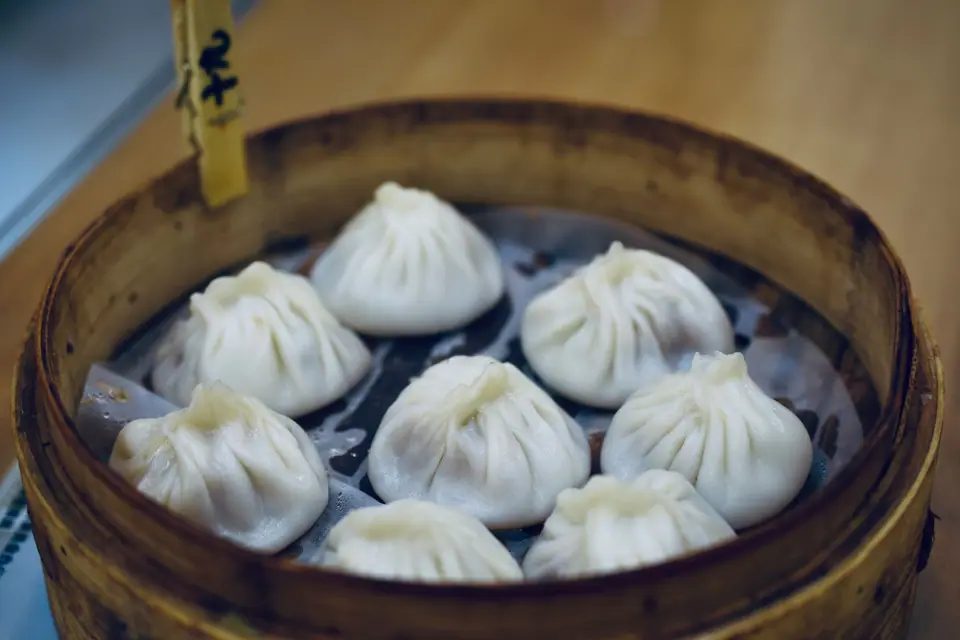
If one food defines eating in Shanghai, it is the xiaolongbao, the small steamed dumpling that hides a mouthful of hot soup inside a thin, pleated skin. The name means little basket bun, and it comes from the bamboo steamer in which the dumplings are served. They are cheap, comforting and surprisingly skilful to make, and learning to eat one properly is a rite of passage for visitors.
Where they come from
The dumpling is said to date from the nineteenth century in the town of Nanxiang, now part of the Jiading district on the edge of Shanghai. A shopkeeper there made small, tight dumplings with thin skins, and the idea spread into the city and then around the world. Today Shanghai is the home of the dish, though versions are found across the region and in many overseas cities.
What makes a solid one
A solid xiaolongbao has a thin, elastic skin that holds together without tearing, a juicy pork filling and plenty of savoury soup. The soup comes from jellied stock that is mixed into the meat and melts when steamed. The pleats at the top should be fine and even, and tradition says a master makes at least eighteen folds. If the skin is thick and doughy or the soup is missing, you are in the wrong place.
How to eat one
Lift the dumpling carefully by its top knot and set it on a spoon. Bite a small hole in the skin and let the steam escape, then sip the soup before you eat the rest. Dip the dumpling in black vinegar with slivers of fresh ginger, which cuts the richness. Do not bite straight in, because the soup is very hot, and do not pierce the skin with chopsticks, because you will lose the soup.
Crab and other fillings
In autumn, many restaurants offer a version filled with pork and crab roe, which is richer and slightly sweet. Other fillings include shrimp, vegetables and a mix of pork and chicken. These are fun to try, but beginners should start with the classic pork version, which shows the skill of the kitchen. A basket usually holds six to ten dumplings, so order a basket each if you are hungry.
Where to look
Famous dumpling houses include shops in the old city, which draw long queues at weekends, and the Taiwanese chain restaurants in malls and in Xintiandi, which are polished and reliable. For a more local meal, look for small shops with a steamer stack at the door and a line of office workers. A short wait is a solid sign.
What to order alongside
A solid meal might include a basket of dumplings, a bowl of soup with tofu or seaweed and a side of cold greens. Many shops also sell pan-fried buns and noodles, which make a bigger meal. For breakfast, look at our street food guide for other morning favourites.
Price and etiquette
Dumplings are cheap at neighbourhood shops and pricier at tourist spots and chain restaurants. Pay attention to the price per basket, and ask if you are unsure. Eating is a relaxed affair, and it is fine to share a basket and to ask for a spoon. Do not leave chopsticks standing upright in a bowl, because it is considered unlucky.
Best times for dumplings
Breakfast and lunch are the classic times, and many shops sell out of the best dumplings by early afternoon. Weekends bring queues, so go early or choose a weekday. For a late snack, many dumpling shops stay open into the evening.
Things to avoid
You do not need to queue for an hour at the most famous shop, because a neighbouring stall will serve you faster. Skip the dumpling shops with pictures on the street and no customers.
Traveller tips
Real advice from people who have been to Xiaolongbao. Every tip is read by our team before it goes live.
No tips yet. Been here? Yours could be the first.
Thank you! Your tip will appear here after a quick review.
More in Shanghai
Continue exploring Shanghai with related neighbourhood, food, and planning guides