Tianzifang Guide
What Tianzifang is, how it grew and how to enjoy it without the crowds.
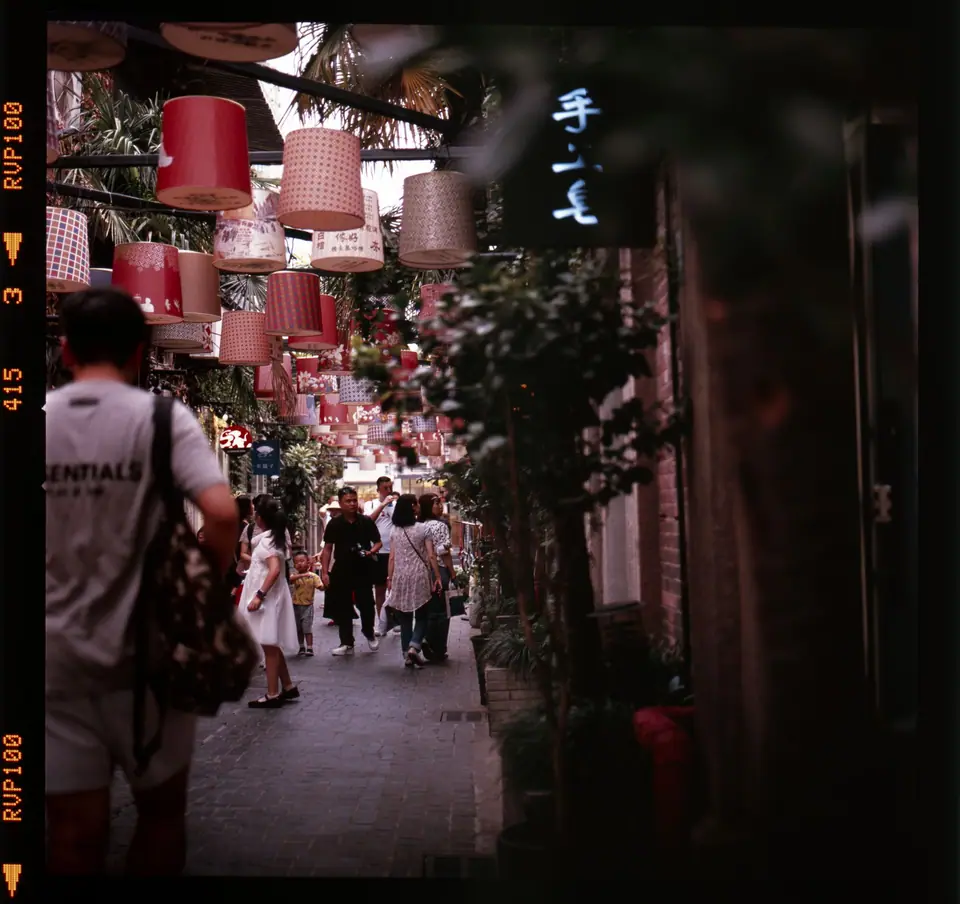
Tianzifang is a warren of narrow lanes in the French Concession, where old residential houses have been turned into studios, cafes, galleries and small shops. It is lively, a little chaotic and very photogenic, and it shows how a traditional lane neighbourhood can be reborn without being flattened. It is also a tourist magnet, so it rewards a bit of planning.
How it began
The lanes were built in the early twentieth century as lane housing of the type described in our shikumen guide, and for decades they were homes and small factories. In the late 1990s artists began to move into the empty workshops, and a well-known painter helped to encourage the change. The name, chosen by an artist, is a play on the name of an ancient painter, and it suits the creative spirit of the place. Over time, shops and cafes followed the studios, and the lanes became a destination.
What you will find
The main lane is lined with shops selling crafts, clothing, prints, leather goods, ceramics, tea and souvenirs. Smaller side lanes hide cafes, bars, galleries and tiny workshops, and some of the best finds are tucked up staircases or behind unmarked doors. Many of the rooms are small and the lanes twist, so it is easy to get lost, which is half the fun. Rooftop terraces give a view over the tiled roofs.
Still a living neighbourhood
Not everyone in Tianzifang is a shopkeeper. Many of the houses are still homes, and residents live beside the cafes. Keep your voice low, do not photograph people inside their houses and do not block doorways. The mix of old and new is the reason the place is interesting, and it works best when visitors treat it as a neighbourhood and not a stage set.
What to buy
Look for items from local designers, handmade ceramics, paper goods and small crafts. Prices vary, and it is normal to ask for a better price on larger purchases. Be careful with goods described as antiques, because many are reproductions. For a more serious look at art, the M50 art district and the West Bund have professional galleries.
Eating and drinking
The lanes are packed with small cafes, juice bars, bakeries and restaurants, and most are casual and compact. Rooftop terraces make a nice place for a drink, though prices reflect the view. For a proper local meal at fair prices, walk a few streets out of the lanes, where neighbourhood restaurants serve noodles, dumplings and home-style dishes to residents.
Practical notes
The lanes are narrow, uneven and often crowded, so they are not easy with pushchairs or wheelchairs. Keep your phone and wallet secure in the busiest stretches, and carry small notes or use a payment app. Public toilets are limited, so use a cafe when you can.
When to go
The lanes are quietest on weekday mornings, when many shops are still opening and the light is soft. By midday and on weekends they fill with groups and photographers. Early evening is atmospheric, when lamps come on and the bars fill, but it is also crowded. Some shops close early, so do not leave your visit too late.
Getting there
Dapuqiao station on metro line 9 is the nearest stop, and the entrance to the lanes is a walk of about ten minutes. You can also walk from Xintiandi in around fifteen minutes, which makes a nice link between the two.
Pairing it well
Combine Tianzifang with a stroll through the French Concession and a coffee stop on the way. If you want a quieter lane experience afterwards, a walk through the nearby streets shows the same type of housing as it is lived in every day.
What to skip
You do not need to buy from the first shop you see, and you can skip the most expensive cafes, which charge a premium for the setting. If the crowds are heavy, step into a side lane or leave and return later.
Traveller tips
Real advice from people who have been to Tianzifang. Every tip is read by our team before it goes live.
No tips yet. Been here? Yours could be the first.
Thank you! Your tip will appear here after a quick review.
More in Shanghai
Continue exploring Shanghai with related neighbourhood, food, and planning guides