Power Station of Art Guide
What the Power Station of Art is, what it shows and how to visit it.
The Power Station of Art is a contemporary art museum inside a former power plant, and its tall chimney is one of the most recognisable landmarks on the south side of the Huangpu River. It opened in 2012 and is described as the first state-run museum of contemporary art in China. The huge industrial halls give artists room to work at a scale that few city museums can match, and the building itself is part of the experience.
From power plant to museum
The building began life as a power station that served the city for much of the twentieth century. When the site was chosen for the 2010 World Expo, the plant was shut down and converted into a pavilion about the future of cities. After the Expo, the pavilion became the museum you see now. The chimney, which is around 165 metres tall, is still a landmark, and at the Expo it was fitted with a giant thermometer that people could read from across the river.
What you will see
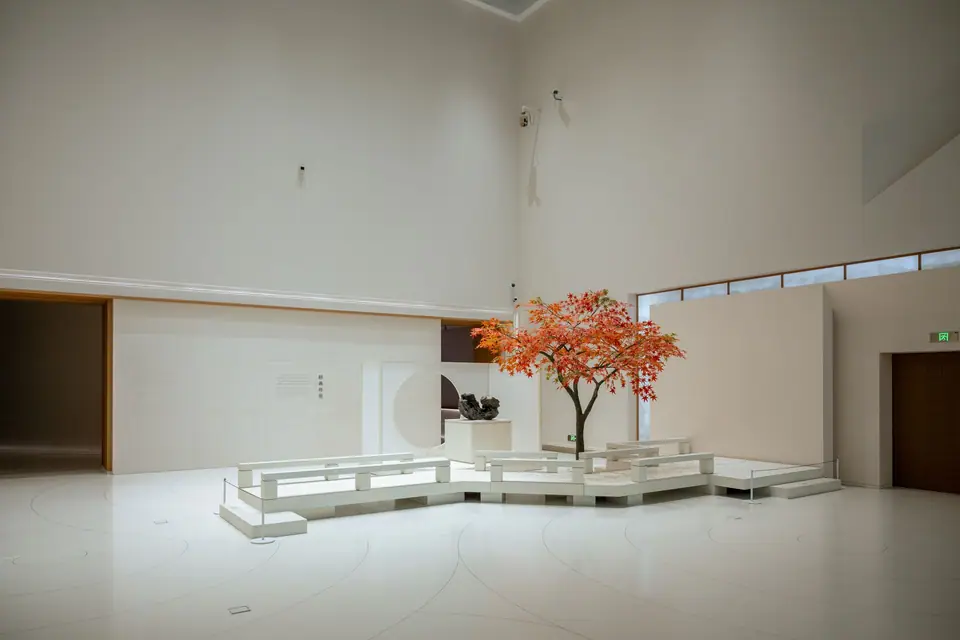
The museum shows rotating exhibitions of contemporary art from China and abroad, ranging from painting and sculpture to video, sound and large installations. Because the halls are so tall and wide, many shows include works that would not fit in an ordinary gallery. Exhibitions change several times a year, so see the schedule before you go, and expect a mix of challenging and accessible pieces.
The Biennale
The museum is also the home of the Shanghai Biennale, a major international art event held every two years. During the Biennale, the whole building is given over to a single curated show, and the city fills with visitors. If you are in Shanghai at the right time, it is one of the best chances to see a broad survey of contemporary art, with artists from many countries.
Tickets and hours
Entry rules vary, with some areas free and special exhibitions ticketed, and the museum usually closes one day a week. Reservations may be needed, so check the official page for current information. Allow at least two hours, because the halls are large and the best works reward slow looking. A cafe and bookshop help you take a break.
The chimney and the riverside
Outside, the building sits beside the Huangpu River, with a pleasant stretch of promenade where you can walk and look across the water. The chimney is best photographed from the river path, with the brick halls in front of it. In the evening, the museum can be lit up, and the view from the water is dramatic.
Planning your visit timing
Weekday mornings are the quietest, and weekends bring families and students. Pick a day with decent weather if you want to enjoy the riverside as well, but the museum itself is a sound choice on a rainy day, because everything is under one roof.
Transport to the museum
The museum stands on the riverside south of the old city. It is easiest to reach by a short taxi ride from the nearest metro stations, and the walk from the old city is possible but long. Consult the museum's site for the best metro station, because routes and entrances change.
Combining with other sights
The museum pairs well with the old city, which is close by, and with the riverfront museums of the West Bund, which are a long riverside ride away. For a more intimate gallery visit, M50 offers smaller spaces and local artists.
Selecting which galleries to view
You do not need to see every piece, and it is fine to pick a few rooms and look properly. If a show does not appeal to you, the building and the riverside repay the trip on their own.
Traveller tips
Real advice from people who have been to Power Station of Art. Every tip is read by our team before it goes live.
No tips yet. Been here? Yours could be the first.
Thank you! Your tip will appear here after a quick review.
More in Shanghai
Continue exploring Shanghai with related neighbourhood, food, and planning guides