


























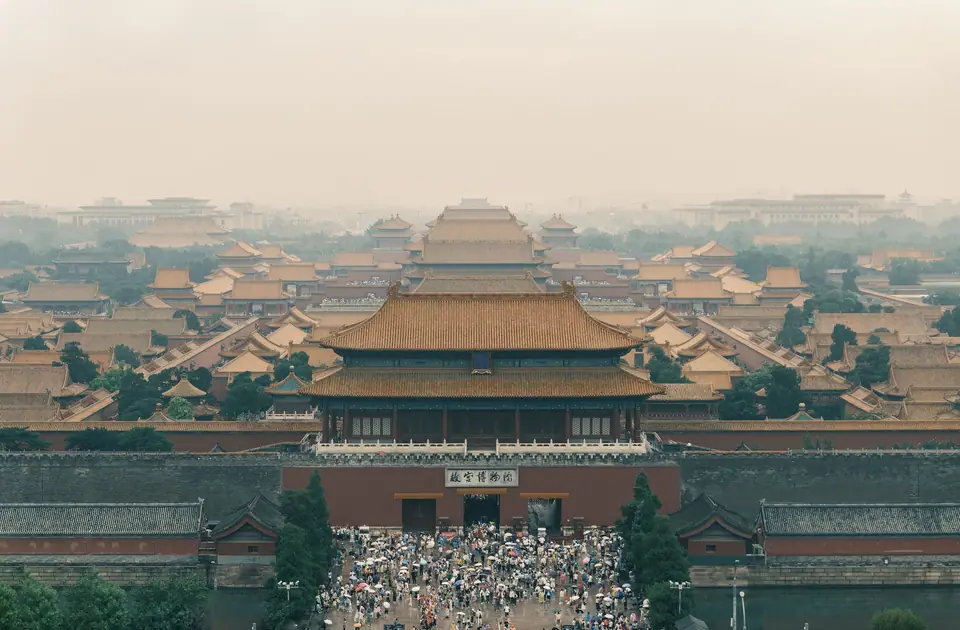
Huanghuacheng Lakeside Great Wall: Submerged Ramparts and Chestnuts
Walking the lakeside ramparts of Huanghuacheng where three sections of the Ming Great Wall dip into a mountain reservoir.
Ask most travellers to picture the Great Wall and they imagine stone watchtowers snaking across dry mountain peaks. Seventy kilometres north of central Beijing in Huairou District, the Huanghuacheng Lakeside Great Wall (Shui Changcheng) offers a completely different landscape: here, sixteenth-century Ming battlements plunge straight down steep granite slopes into the blue-green waters of the Haoming Lake reservoir, splitting the wall into three submerged breaks where boats glide directly between the severed stone ends.
The name Huanghuacheng means Yellow Flower City, after the carpets of wild yellow blossoms and chestnut catkins that cover the surrounding valleys in late spring and early summer. Built during the Ming Yongle and Wanli reigns by Commander Cai Kai, this pass guarded the northern flank of the Ming Tombs in neighbouring Changping. Legend records that Cai Kai built the ramparts with such painstaking stone-and-mortar precision that court rivals accused him of extravagance; only after his execution did inspectors realise the fortress was virtually impregnable, prompting the emperor to erect a commemorative tablet in his honour.
Unlike the high ridge climbs at Mutianyu or Jinshanling, a day at Huanghuacheng combines gentle waterside walking trails with short, optional bursts of steep wall climbing:
- The reservoir dam and submerged ramparts: cross the curved stone dam walkways where sections of the Ming parapet touch the waterline on both banks, framing postcard reflections of watchtowers on calm mornings.
- The Ming Dynasty Chestnut Garden (Mingdai Banliyuan): tucked in the central peninsula sits a shaded orchard of gnarled chestnut trees planted more than five hundred years ago by Ming garrison soldiers to feed the border troops; their twisted trunks still bear sweet chestnuts every autumn.
- Black Dragon Pool (Heilongtan) and peninsula loop: follow the wooden boardwalks and cobbled paths along the spring-fed stream up to the quiet canyon pool at the head of the valley, or climb the restored hillside watchtowers overlooking the peninsula for an aerial angle on the water breaks.
Because Huanghuacheng lies about forty minutes west of Mutianyu along winding mountain roads in Huairou, hiring a private car for the day or taking a seasonal tourist shuttle bus from Dongzhimen and transferring at Huairou North Avenue is the smoothest way to visit. In October, pair your walk with freshly roasted Huairou chestnuts sold warm in paper bags outside the valley gates.
Traveller tips
Real advice from people who have been to Huanghuacheng Lakeside Great Wall: Submerged Ramparts and Chestnuts. Every tip is read by our team before it goes live.
No tips yet. Been here? Yours could be the first.
Thank you! Your tip will appear here after a quick review.
More in Beijing
Continue exploring Beijing with related neighbourhood, food, and planning guides
High-Speed Bullet Trains from Beijing: Stations and 12306 Tickets
Beijing, China

Universal Beijing Resort: Kung Fu Panda, Transformers and Metro Access
Beijing, China
Chengde Mountain Resort Day Trip: Qing Lakes and Eight Outer Temples
Beijing, China
Tianjin Day Trip from Beijing: Five Great Avenues and Hai River
Beijing, China
