


























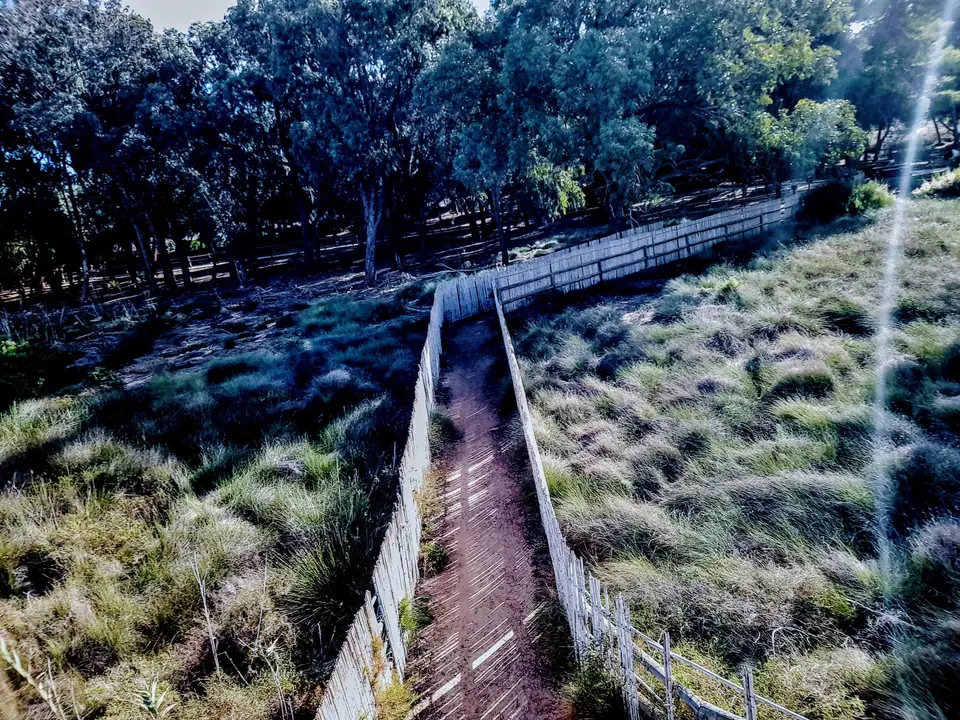
Visiting Beijing: Ring Roads, Districts and Practical Setup
How Beijing's concentric ring roads and central districts work, plus passport checkpoints and reservation windows.
Short answer: treat Beijing as a series of concentric ring roads radiating out from the Forbidden City, carry your physical passport every day for real-name checkpoints along the central avenues, and complete your Alipay, WeChat Pay and eSIM setup before your flight lands.
Ring roads and the three core districts
Unlike river cities that wind around bends, Beijing is built on a cardinal grid wrapped by concentric ring roads. The Second Ring Road traces the footprint of the demolished Ming city wall and encloses the historic heart of the capital, split down the middle into Dongcheng District on the east and Xicheng District on the west. Almost every imperial monument, hutong neighbourhood and classic park sits inside or just outside this loop. East of the Second and Third Ring Roads lies Chaoyang District, home to embassy avenues, Sanlitun, the Guomao CBD skyline and the 798 Art District, while northwest Haidian District holds the Summer Palace and major university campuses.
Real-name passport checkpoints and booking windows
Central Beijing operates on strict daily visitor caps linked to your passport number, and your physical passport serves as your ticket at museum turnstiles and avenue checkpoints. A photograph on your phone will not pass the scanners along Chang'an Avenue or at the palace gates. Reservations for the Forbidden City, Tiananmen Square and the National Museum of China open roughly a week in advance and fill quickly in spring, summer and autumn. By contrast, entry to royal parks such as Jingshan Park, Beihai Park and the Temple of Heaven is far easier to arrange a day or two ahead or at the gate outside peak national holidays.
Pacing for scale and public holidays
Maps make central blocks look compact, yet walking from a Subway platform to a palace gate often covers nearly a kilometre of underpasses and stone plazas. Cluster your sightseeing into one area each morning and afternoon as shown in our three-day itinerary, and check the calendar for early May and the first week of October, when domestic holiday travel peaks across China.
Traveller tips
Real advice from people who have been to Visiting Beijing: Ring Roads, Districts and Practical Setup. Every tip is read by our team before it goes live.
No tips yet. Been here? Yours could be the first.
Thank you! Your tip will appear here after a quick review.
More in Beijing
Continue exploring Beijing with related neighbourhood, food, and planning guides
Fragrant Hills (Xiangshan Park): Autumn Red Leaves and Cableway
Beijing, China

China National Botanical Garden: Conservatories and Sleeping Buddha
Beijing, China
The Ming Tombs and Sacred Way: Changling, Dingling and Stone Animals
Beijing, China
White Cloud Temple (Baiyunguan) and Fayuan Temple: Daoist and Tang Courtyards
Beijing, China
