Jiankou to Mutianyu: Unrestored Ridge Perspectives and Safety
Understanding the wild unrestored Ming brickwork of Jiankou, the ridge link to Mutianyu Watchtower 20, and mountain safety rules.
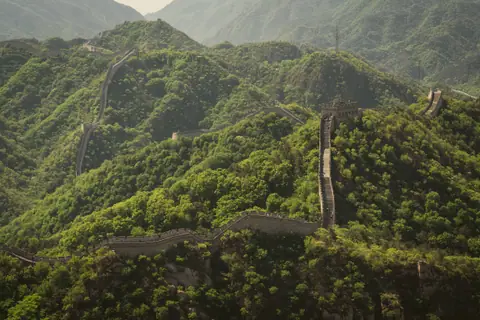
Directly west of the restored ramparts of the Mutianyu Great Wall in Huairou District, the mountain ridge rises into sharp, pale-grey dolomite cliffs where sixteenth-century brickwork clings to near-vertical rock faces. This is Jiankou (Arrow Nock), named after the crescent bow-like shape of its mountain saddle. Built in 1568 on jagged limestone crags without mortar reinforcement since the Ming era, Jiankou represents the rawest, most dramatic face of the Great Wall around Beijing, and understanding the difference between its perilous cliff sections and the gentler eastern approach into Mutianyu is essential before you lace up your boots.
Why Jiankou differs from restored scenic sections
Unlike Mutianyu or Jinshanling, Jiankou is not an official ticketed scenic park with handrails, ticket booths or emergency patrols. Famous cliff bottlenecks on the western and central crest, carrying local nicknames such as the Sky Stairs (Tianti), the Eagle Flies Facing Upward (Yingfadao) and the Beijing Knot, feature crumbling brick steps tilted at seventy-degree angles above sheer drops. Local forestry and heritage regulations strictly prohibit climbing onto unstable, closed wild cliff sections, and hikers should never attempt technical scrambles over loose masonry or set out in rain, summer thunderstorms, snow or high winds.
The classic woodland approach via Zhengbeilou to Mutianyu
Experienced ridge walkers who hire a licensed local mountain guide typically avoid the dangerous western crags altogether and instead follow established woodland trails up from Xizhazi Village on the north side of the ridge to the broad saddle near Zhengbeilou (Due North Tower). Sitting high on the crest, Zhengbeilou looks back across the dramatic profile of Jiankou's cliffs to the west while connecting eastward along a walkable four-kilometre ridge line toward Ox Horn Edge (Niujiaobian) and Watchtower 20 at the top of the Mutianyu scenic zone.
If you want the visual drama of Jiankou without stepping onto unrestored loose rubble, simply buy a standard admission and cable-car ticket at Mutianyu, ride the gondola to Watchtower 14, and climb the steep restored steps up to Watchtower 20. From that highest parapet at Mutianyu's western boundary, the wild ridge of Jiankou unfolds directly in front of your camera lens across the forested saddle. On any mountain trail you choose around Huairou, wear ankle-supporting hiking footwear with deep rubber lugs (see what to wear in Beijing), carry at least two litres of water per person, and start early in the morning so you descend well before afternoon shadows fall.
Traveller tips
Real advice from people who have been to Jiankou to Mutianyu: Unrestored Ridge Perspectives and Safety. Every tip is read by our team before it goes live.
No tips yet. Been here? Yours could be the first.
Thank you! Your tip will appear here after a quick review.
More in Beijing
Continue exploring Beijing with related neighbourhood, food, and planning guides