

Africa
Destinations in Africa
Distinct northern Mediterranean rhythms and southern dry-winter wildlife windows divide travel planning cleanly across the continent.
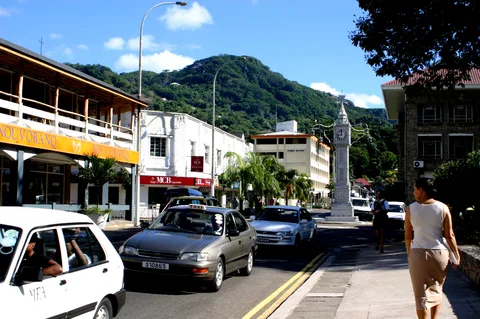
Victoria (Seychelles)
Seychelles
Cairo
Egypt
Windhoek
Namibia
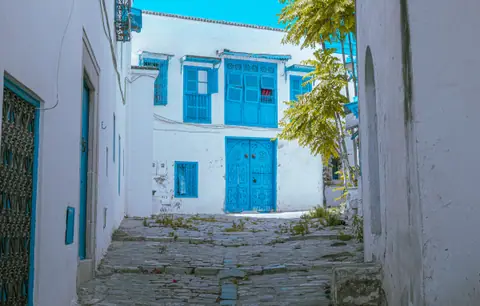
Tunis
Tunisia
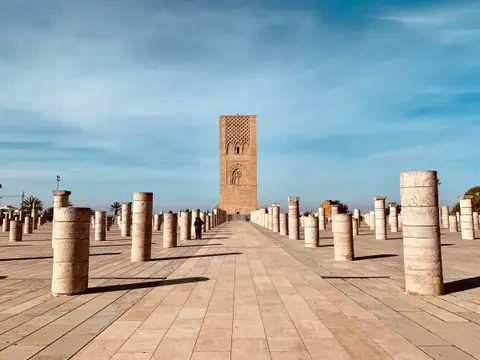
Rabat
Morocco
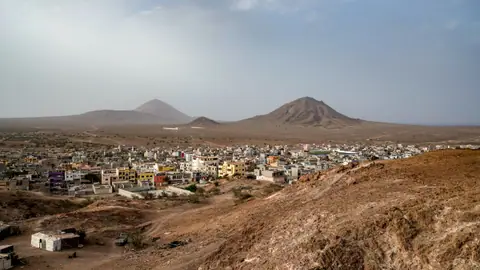
Praia
Cape Verde

Port Louis
Mauritius
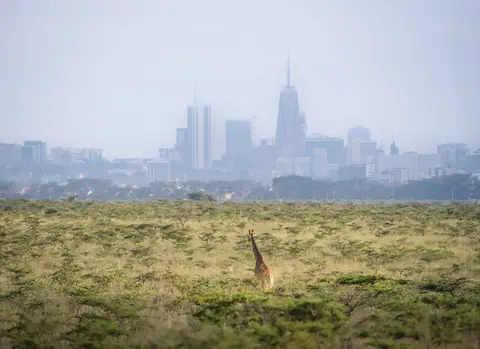
Nairobi
Kenya

Moroni
Comoros
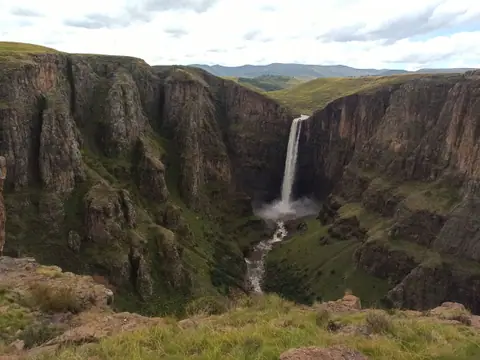
Maseru
Lesotho
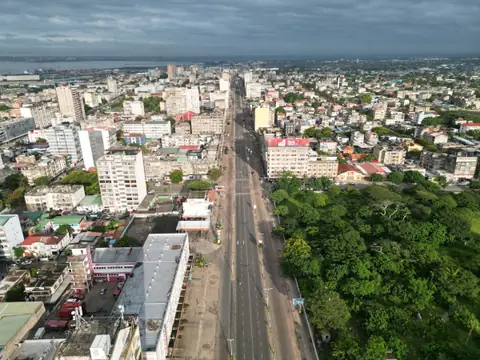
Maputo
Mozambique
Lusaka
Zambia
Lilongwe
Malawi
Kigali
Rwanda

Kampala
Uganda
Harare
Zimbabwe
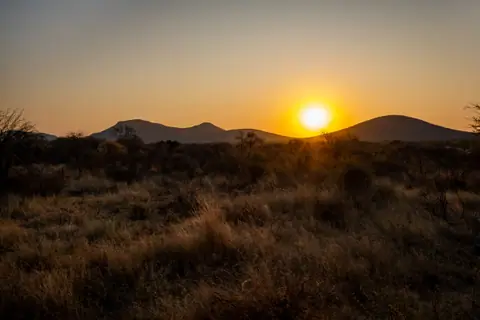
Gaborone
Botswana
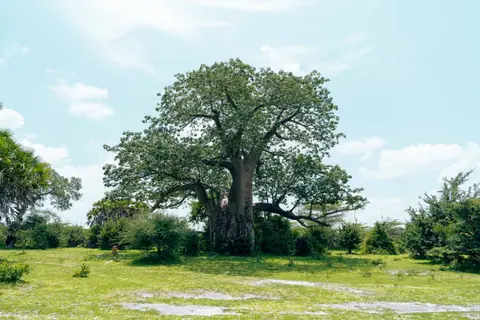
Dodoma
Tanzania
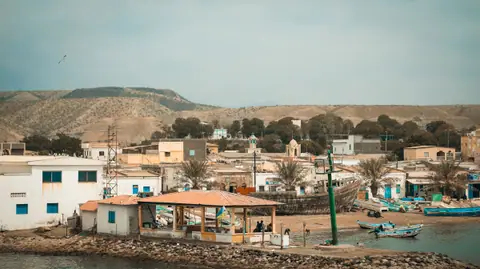
Djibouti City
Djibouti
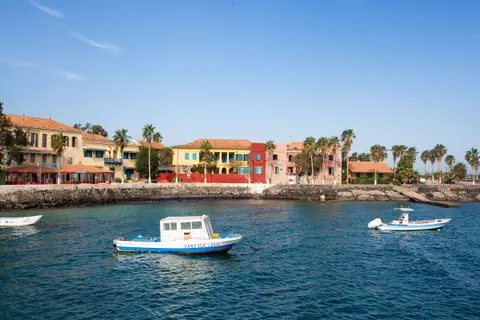
Dakar
Senegal

Banjul
The Gambia
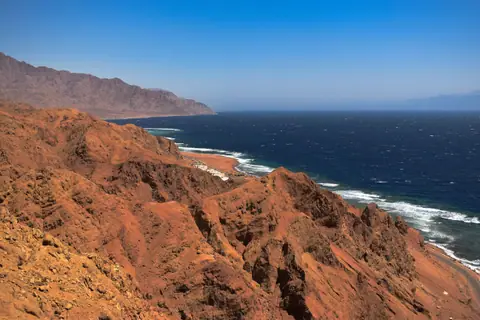
Asmara
Eritrea
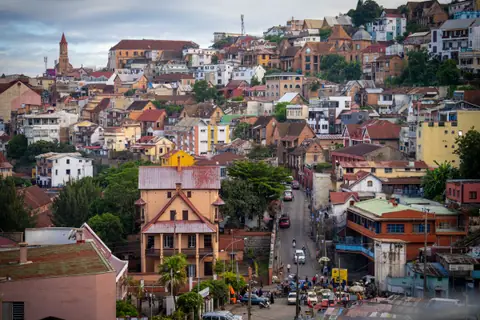
Antananarivo
Madagascar

Algiers
Algeria
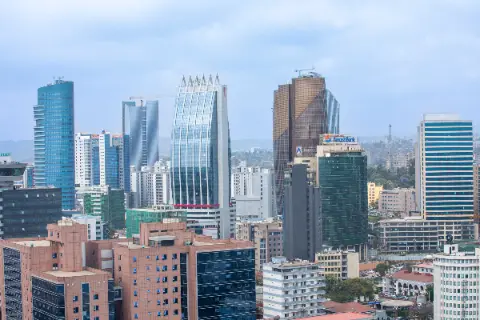
Addis Ababa
Ethiopia

Accra
Ghana
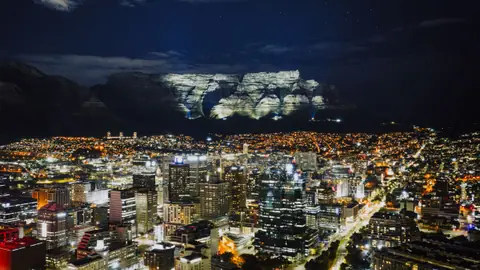
Cape Town
South Africa
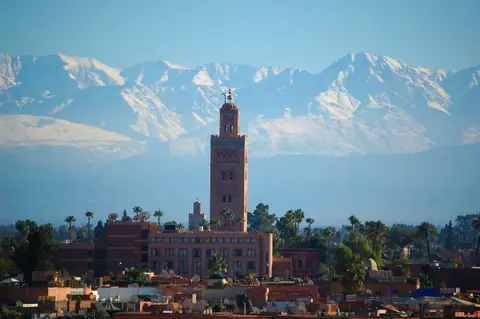
Marrakech
Morocco
Maghreb Rails, Nile Corridors, and Southern Hubs
North African routes benefit from straightforward rail and motorway spines connecting historic medinas and coastal ports. Intercity trains and highways tie Rabat and Tunis neatly to Mediterranean gateways, while Atlas Mountain passes and desert valleys branch outward from Marrakech.
Further east, Nile rail and domestic air legs connect Cairo southwards into Upper Egypt. Below the equator, highland capitals such as Nairobi and Windhoek anchor plateau circuits, while Cape Town pairs ocean promenades with steep coastal cableways affected by summer southeasterly winds.
Matching Hemispheres and Rain Bands
Rainfall patterns divide northern spring-and-autumn comfort cleanly from southern winter dry seasons. Planning north and south of the equator separately avoids muddy park tracks and intense interior desert heat, letting you walk walled old towns and wildlife reserves in comfortable daylight.
| Subregion | Favourable Season | Weather and Logistics Notes |
|---|---|---|
| Maghreb & Nile Valley | March to May and October to November | Comfortable daytime walks; summer afternoon heat peaks well inland |
| East African Highlands | June to October and January to February | Long and short rains affect unpaved park tracks between seasons |
| Southern Africa & Islands | May to October interior dry; summer months on western capes | Cape breezes cool evenings; dry plateau bush thins out for clear sightlines |
Health Certificates, Permits, and Small-Plane Bags
Yellow fever vaccination certificates, advance national park conservation permits, and electronic travel authorisations remain mandatory across many border and flight corridors. Regional bush planes serving remote reserves enforce strict soft-sided duffel weight limits, so confirm exact dimensions and weight caps directly with carriers before packing.
Across walled medinas and archaeological riverbanks, starting outdoor walks just after sunrise reduces heat load and tour-group bottlenecks inside narrow alleyways. Keep smaller local banknotes on hand for municipal ferries, neighbourhood taxis, and historic market courtyards where international card readers lose mobile signal.
Selecting Safe Gateways and Reliable Transfers
In sprawling capital cities, airport express rail, metered hotel shuttles, or pre-booked official airport desks simplify arrival after long overnight flights. Check our Luxor and North African city guides for verified station transfers, conservative dress standards, and midday heat strategies.
Domestic flights cut marathon multi-day bus runs across large countries where rail corridors remain fragmented. Confirm local public holiday closures, ferry sea-state advisories, and museum booking windows on official tourism websites ahead of arrival, particularly during major migration peaks and winter school breaks.
Keep emergency physical copies of hotel bookings and passport photo pages when crossing internal park checkpoints, as mobile signal drops rapidly beyond coastal motorways and plateau cities.
Guides
Beneath Table Mountain: Company’s Garden, Bo-Kaap Cobbles and the Cape Peninsula
South Africa
Layers of Cairo: Old Kingdom Pyramids, Fatimid Al-Muizz Street and Coptic Babylon
Egypt
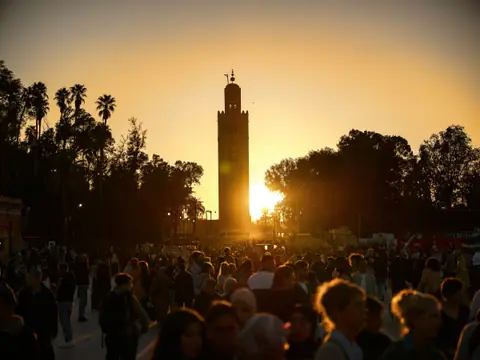
Marrakech Medina Guide: Souks, Palaces, Riads and Jemaa el-Fna
Morocco
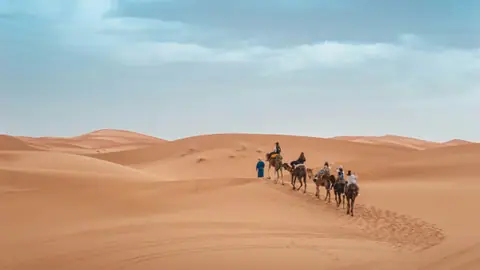
Morocco Travel Guide: Regions, Routes and Practical Tips
Morocco