
























Europe
Destinations in Europe
Dense rail networks, walkable historic cores, and regional ferry routes make multi-city overland planning straightforward across most of the continent.

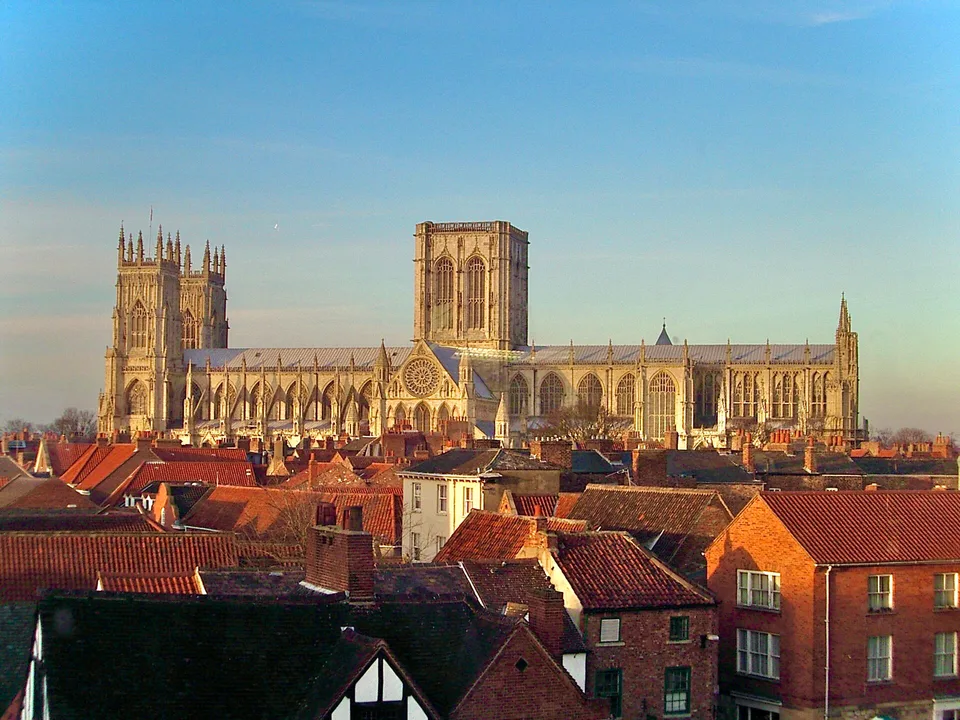
York
United Kingdom
Bath
United Kingdom
Utrecht
Netherlands

Ravenna
Italy
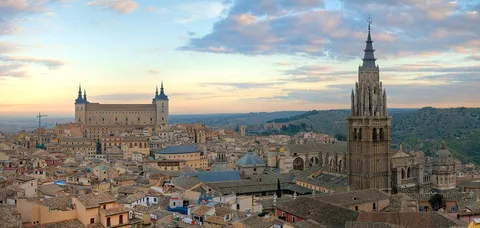
Toledo
Spain
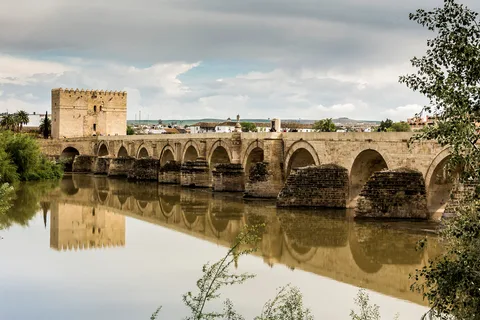
Córdoba
Spain
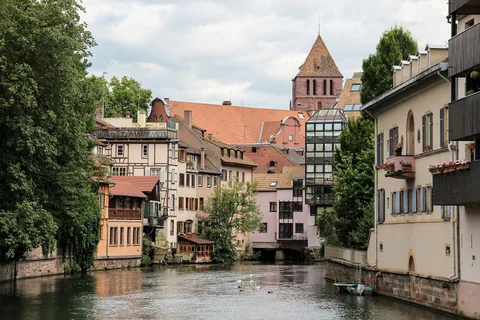
Strasbourg
France
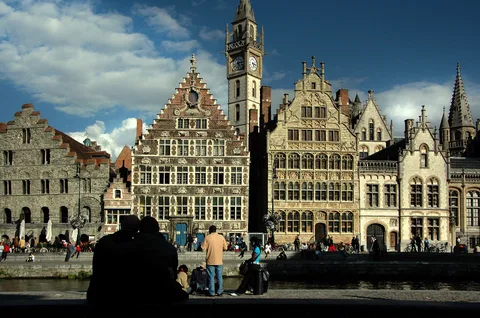
Ghent
Belgium
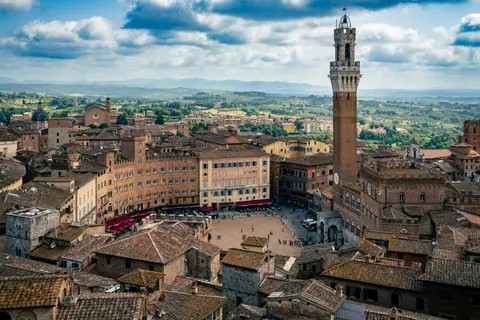
Siena
Italy
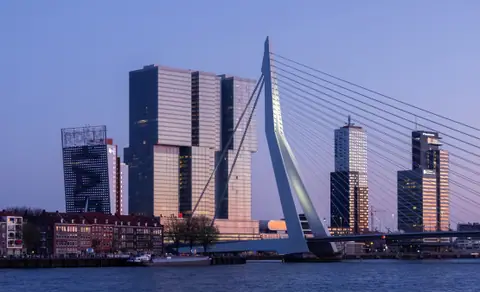
Rotterdam
Netherlands
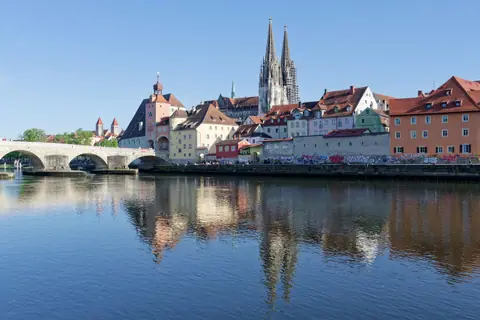
Regensburg
Germany
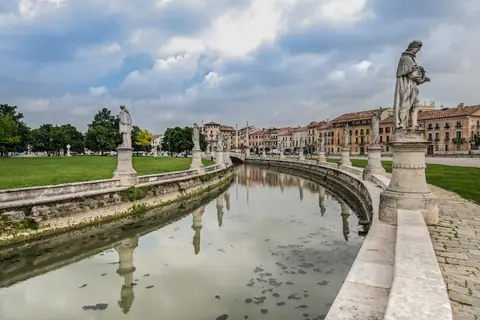
Padua
Italy
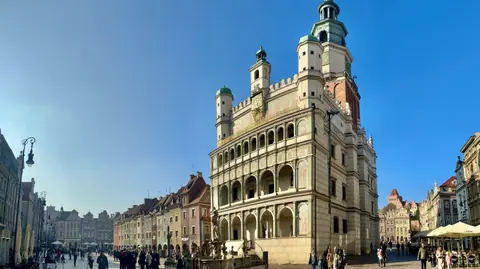
Poznań
Poland
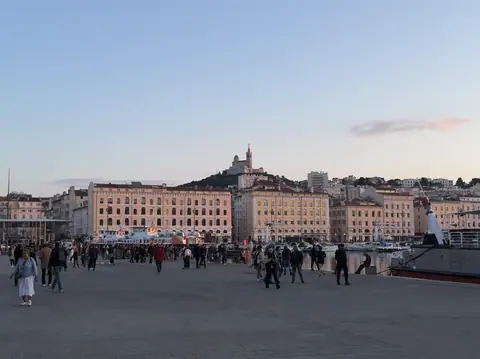
Marseille
France
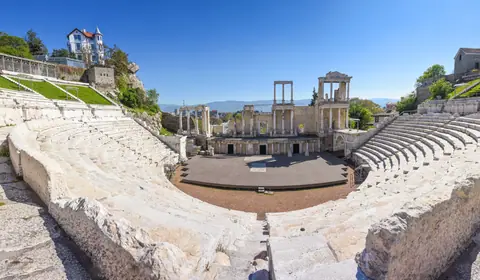
Plovdiv
Bulgaria
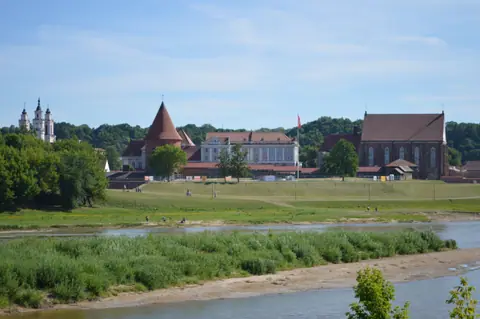
Kaunas
Lithuania
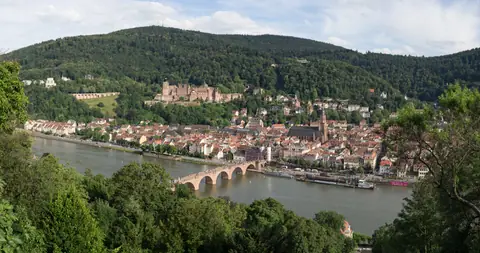
Heidelberg
Germany
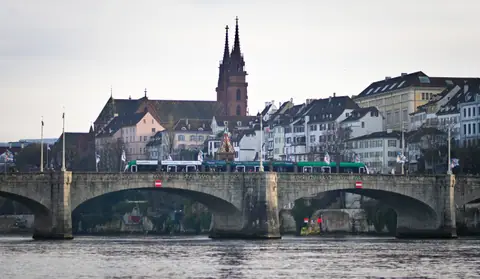
Basel
Switzerland
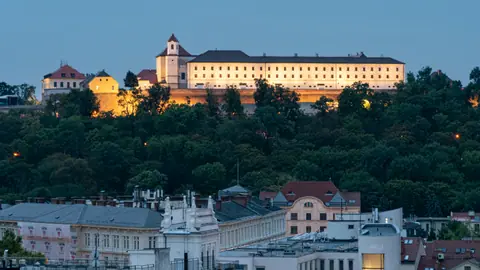
Brno
Czech Republic
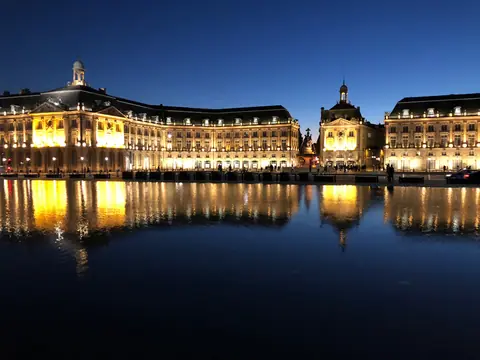
Bordeaux
France
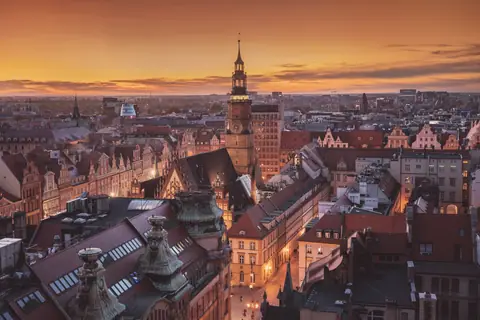
Wrocław
Poland
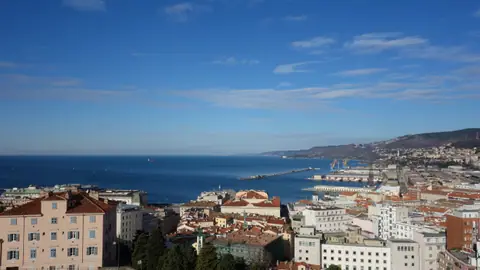
Trieste
Italy
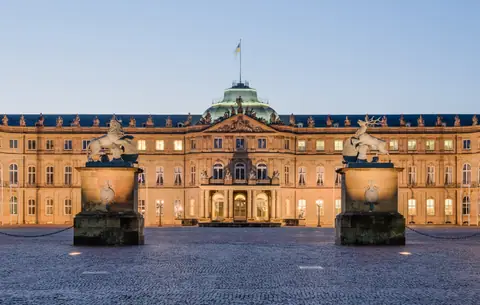
Stuttgart
Germany
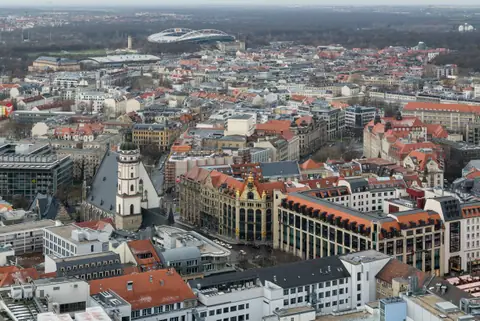
Leipzig
Germany
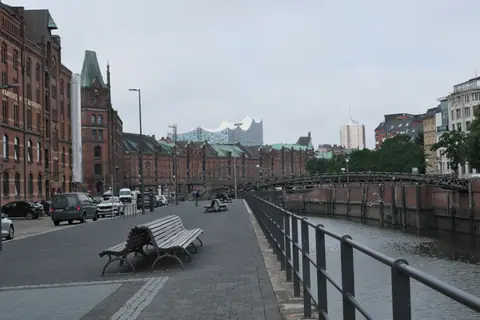
Hamburg
Germany
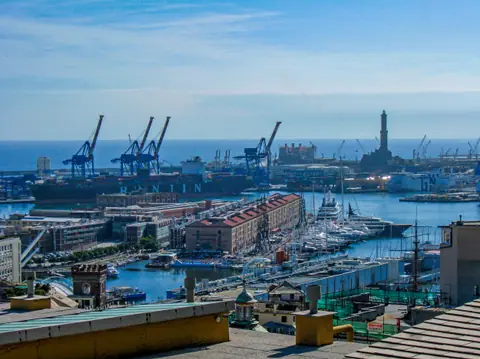
Genoa
Italy
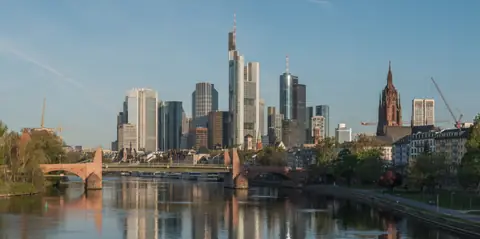
Frankfurt
Germany
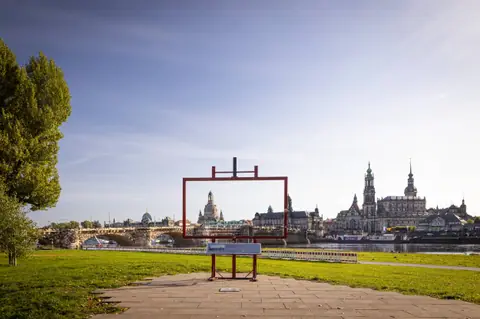
Dresden
Germany
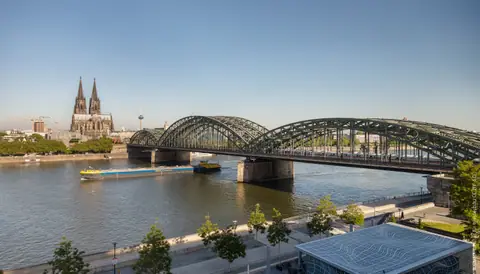
Cologne
Germany
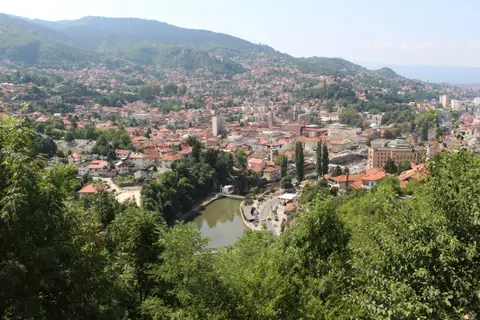
Sarajevo
Bosnia and Herzegovina
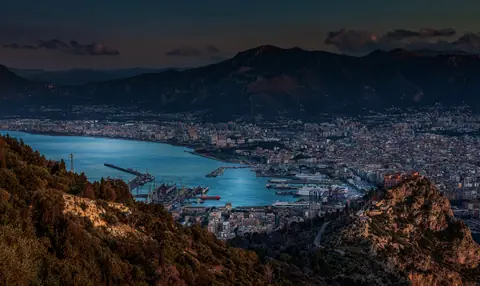
Palermo
Italy
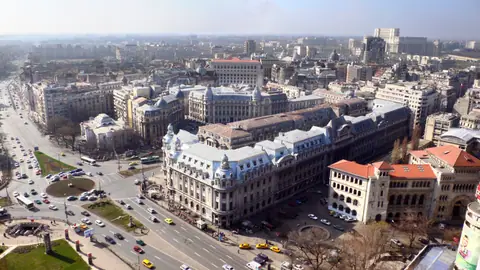
Bucharest
Romania
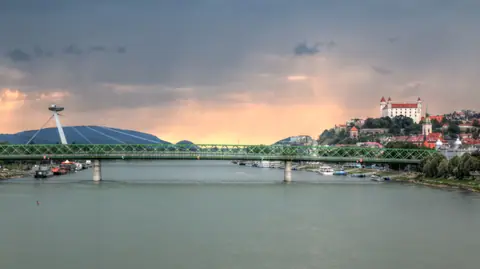
Bratislava
Slovakia
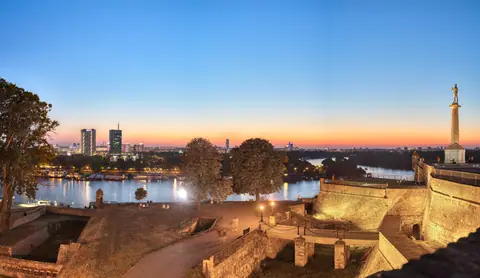
Belgrade
Serbia
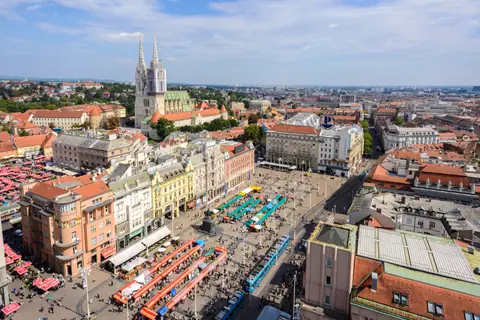
Zagreb
Croatia
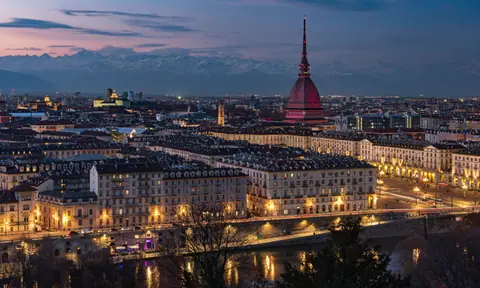
Turin
Italy
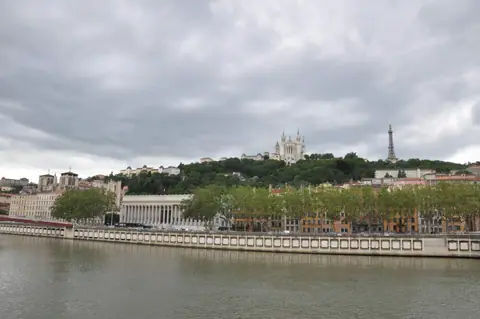
Lyon
France
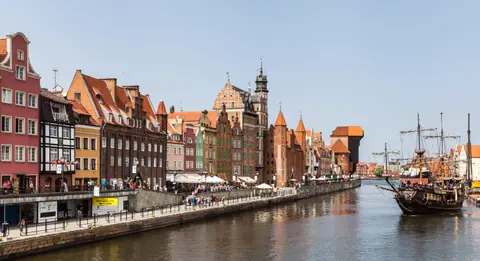
Gdańsk
Poland
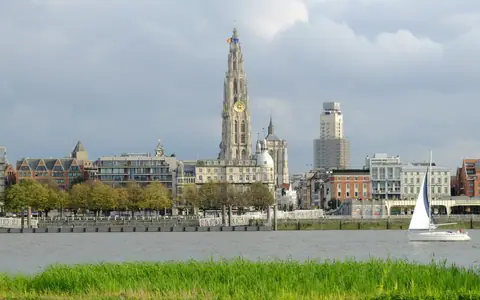
Antwerp
Belgium
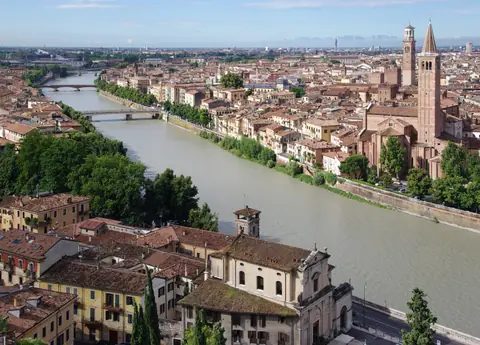
Verona
Italy
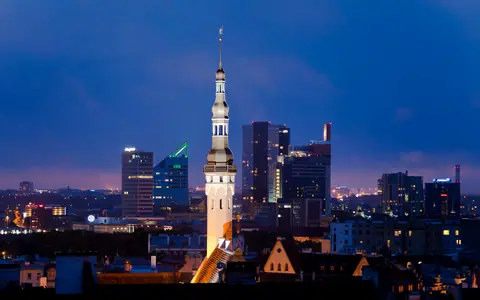
Tallinn
Estonia
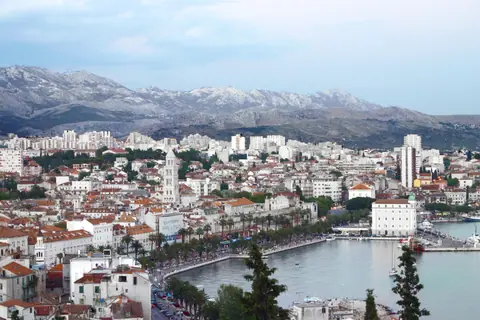
Split
Croatia
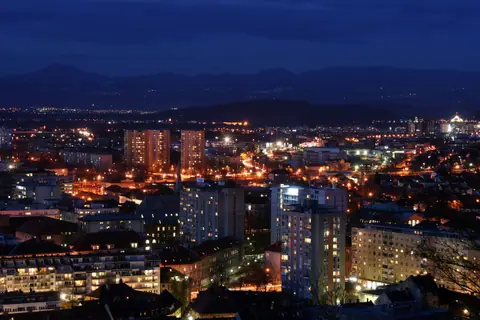
Ljubljana
Slovenia
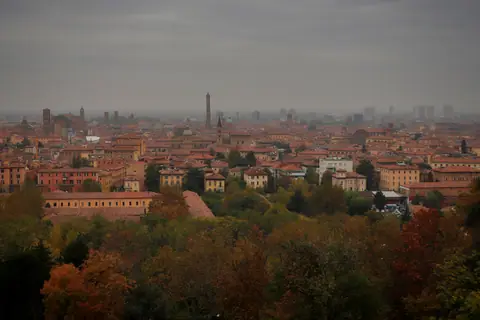
Bologna
Italy
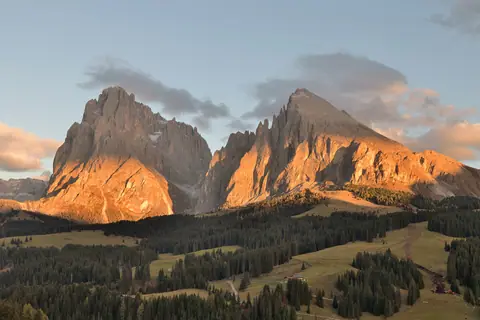
Dolomites
Italy
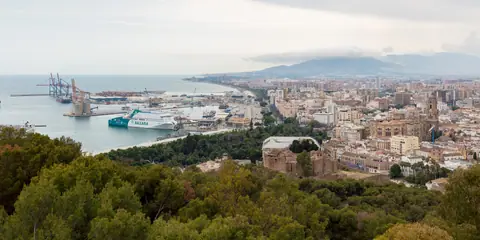
Málaga
Spain
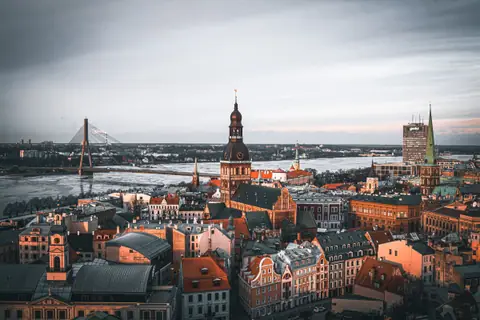
Riga
Latvia
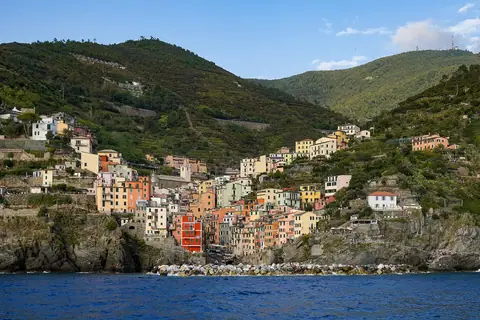
Cinque Terre
Italy
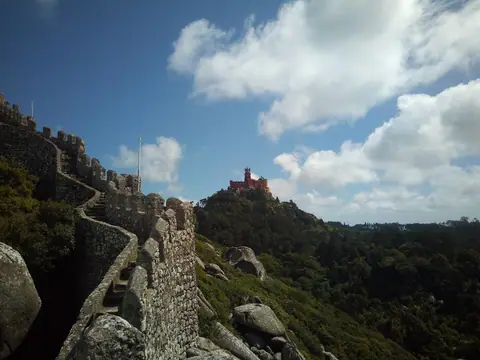
Sintra
Portugal
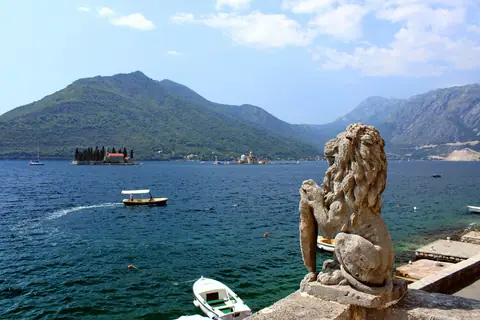
Kotor
Montenegro
Regional Rail Corridors and Entry Gateways
Long-distance rail turns capital hops into straightforward morning journeys across Western and Central Europe. Fast corridors connect Paris with Lyon, Marseille, London, and Brussels directly between central stations without airport transfers.
In Italy and Spain, high-speed tracks remove domestic flights from classic loops connecting Rome, Florence, and Venice. On the Iberian Peninsula, trains tie Madrid to Barcelona and Seville smoothly. Historic centres across Italy and Iberia enforce camera-monitored low-traffic zones, so leave rental cars at perimeter garages before checking into centrally located stays.
Timing Your Route Around Heat and Crowds
Mid-spring and early autumn deliver steady daylight without midsummer glare across southern cobblestone streets. Check municipal museum closing schedules early because many state collections close on Mondays or Tuesdays while extending evening entry once a week.
| Zone | Mildest Walking Months | Operational Considerations |
|---|---|---|
| Western & Central Cities | May, June, and September | Timed museum slots fill early during European school holidays |
| Mediterranean Basins & Islands | April to May and late September to October | Midsummer heat peaks inland; island ferry schedules taper in winter |
| Northern Ports & Alps | June to August | High mountain passes thaw late; winter daylight hours are brief |
Rail Passes, Ferries, and Border Practicalities
Crossing between Europe and Anatolia works cleanly through Istanbul, where intercontinental metro tunnels and commuter ferries tie two continents together daily. On shorter island hops across Greece, Croatia, and the Baltic Sea, compare foot-passenger hydrofoils with slow vehicle ferries on official port websites before locking waterfront hotels.
On alpine circuits around Switzerland and northern Italy, luggage storage lockers at mainline terminals let you visit a historic old town between morning and afternoon trains. Always check official border registration rules, city tourist tax norms, and seat-reservation requirements on high-speed international operators before boarding.
Local Transit, Luggage Friction, and Accessibility
Public transit smartcards and contactless bank taps simplify trams, buses, and metros across most capitals. Remember that steep hilltop quarters from Lisbon to Edinburgh feature steps and wet stone paving, making wheeled suitcases tiring without a short taxi transfer from the nearest station. Our Palermo and Bordeaux guides detail flat riverfront bases versus steeper historic quarters.
When booking rail corridors through the Alpine passes or Mediterranean coastlines, check baggage rack space and station lift access ahead of travel. Older regional platforms in smaller towns often connect via pedestrian subways with stairs, so packing light makes tight interchanges smoother.
Guides
Terraced Cliffs and Maritime Keeps of the Cinque Terre: Monterosso, Vernazza and the Corniglia Ridge
Italy
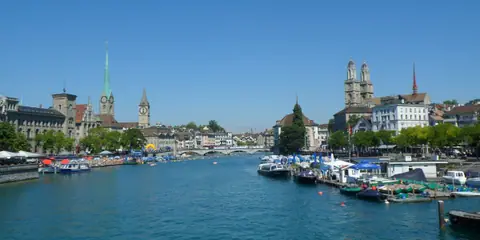
Both Banks of the Limmat in Zurich: Roman Lindenhof, Guildhalls, Chagall Windows and Kunsthaus
Switzerland
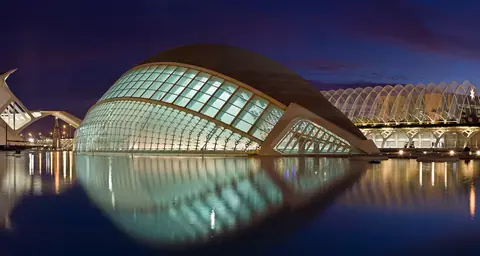
From Gothic Silk Hall to the Turia Riverbed: Valencia’s Ciutat Vella and Calatrava Domes
Spain
Through the Misty Serra de Sintra: Royal Chimneys, Regaleira’s Inverted Tower and Pena
Portugal
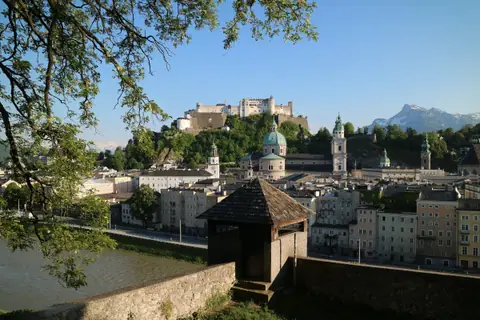
Beneath Hohensalzburg Fortress: Cathedral Squares, Getreidegasse Courtyards and Mirabell
Austria
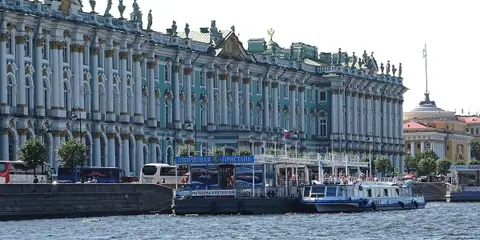
Along the Neva and Canals of Saint Petersburg: Winter Palace, Nevsky Prospekt and Peterhof
Russia
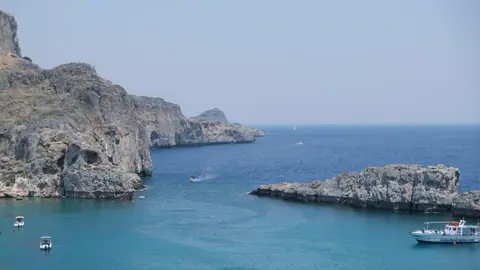
Inside the Double Walls of Rhodes: Street of the Knights, the Moat, Mandraki and Lindos
Greece

Smoky Bay to the Rift Valley: Old Reykjavik, Hallgrímskirkja, Harpa and the Golden Circle
Iceland
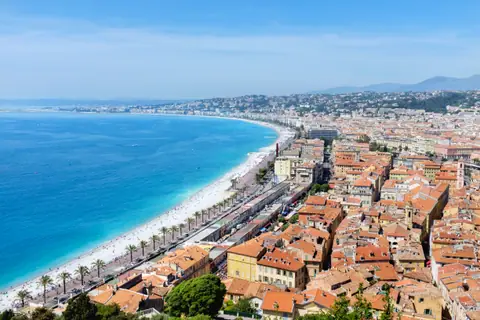
Along the Baie des Anges: Savoyard Vieux-Nice, Castle Hill Cascades and Cimiez Villas
France
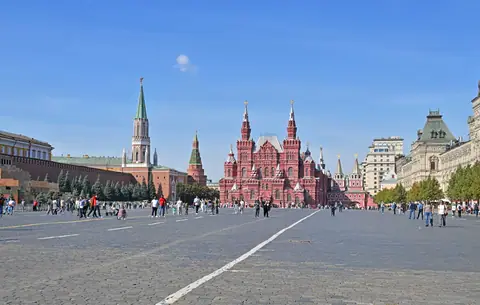
Concentric Rings of Moscow: Red Square, Kremlin Cathedrals, Kitay-Gorod and Arbat
Russia
Phoenician Harbour to Picasso’s Plazas: Málaga’s Alcazaba, Gibralfaro and Muelle Uno
Spain
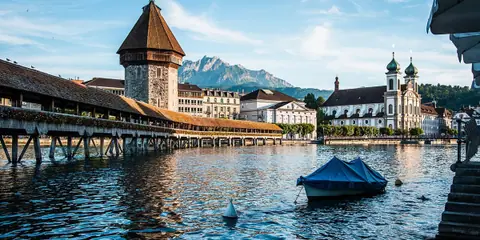
Timber Bridges and Alpine Peaks of Lucerne: Kapellbrücke, Musegg Towers and Lake Steamers
Switzerland
Deep Inside Boka Kotorska: Venetian Kotor’s Piazzas, Mountain Ramparts and Perast
Montenegro
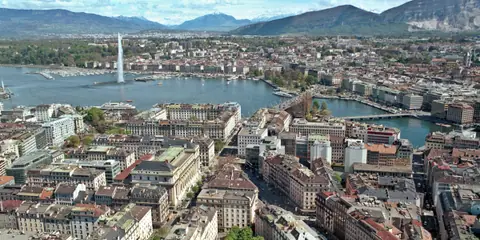
Where the Rhône Exits Lake Geneva: Hilltop Vieille Ville, Jet d’Eau, Carouge and the UN
Switzerland
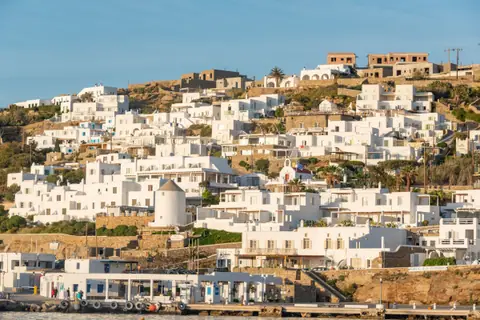
Minoan Palaces and Venetian Harbours of Crete: Knossos, Heraklion, Rethymno and Chania
Greece
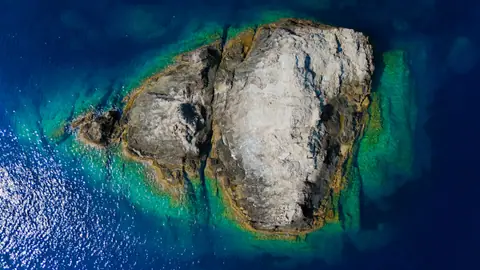
Between Twin Venetian Fortresses: Corfu Town’s Kantounia, the Liston and Kanoni Peninsula
Greece
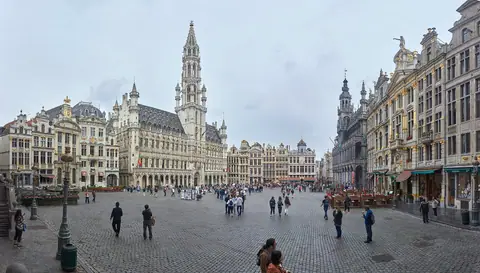
Lower and Upper Brussels: Guildhalls of the Grand-Place, Mont des Arts and Horta Townhouses
Belgium
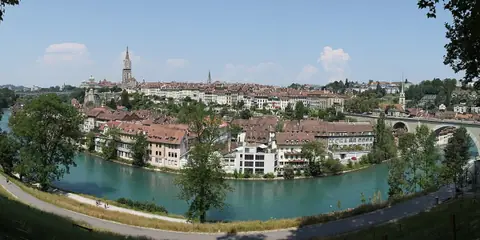
Inside the Turquoise Loop of the Aare: Bern’s Sandstone Lauben, Zytglogge and Einstein’s Street
Switzerland
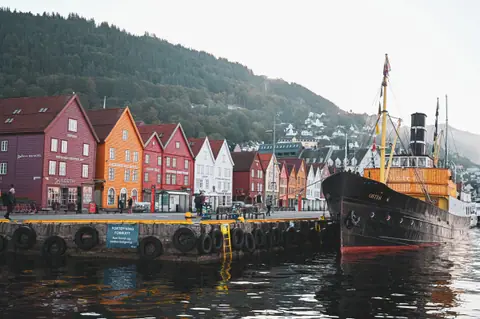
Between Seven Mountains and Vågen Bay: Bergen’s Hanseatic Bryggen, Nordnes and Fløyen
Norway
Brick Spires and Jugendstil in Riga: Vecrīga Guilds, Alberta iela and Zeppelin Pavilions
Latvia
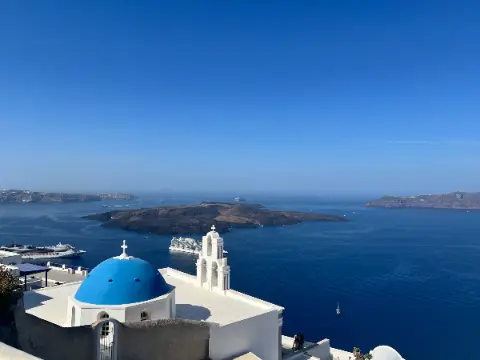
Along the Thera Caldera Rim: Fira to Oia Cliff Paths, Kastelia Villages and Akrotiri
Greece
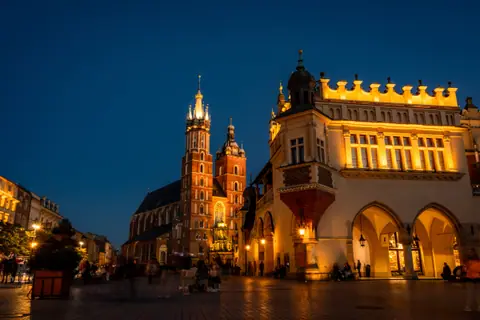
Down Krakow’s Royal Road: Floriańska Gate, Rynek Główny, Wawel Hill and Kazimierz
Poland
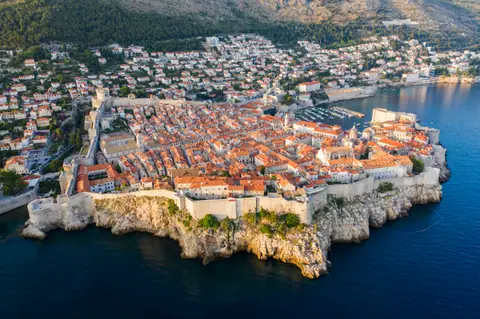
Inside the Ragusa Ramparts: Dubrovnik’s Stradun, Sea Forts and Lokrum Island
Croatia
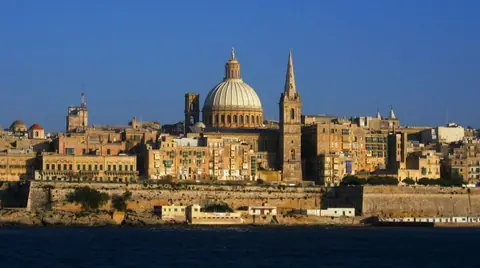
Limestone Bastions of Malta: Valletta’s Grid, Grand Harbour and the Three Cities
Malta
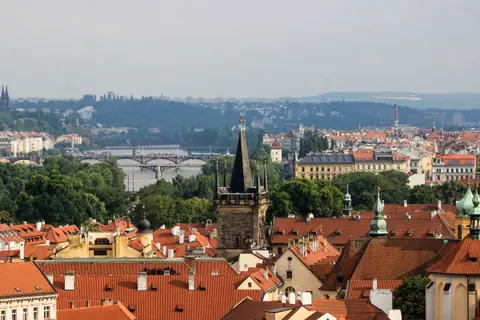
Across Stockholm’s Fourteen Islands: Gamla Stan Alleys, Djurgården and Södermalm Cliffs
Sweden
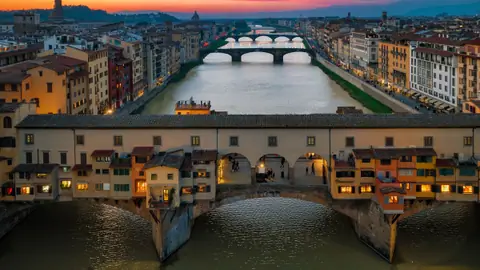
Granite and Azulejos in Porto: Sé Hill, Ribeira Quays and Vila Nova de Gaia Cellars
Portugal
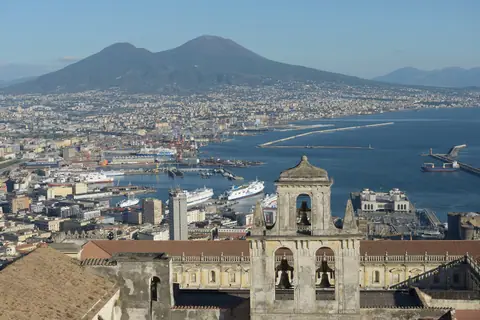
Along the Decumani of Naples: Spaccanapoli Cloisters, Bourbon Palaces and Vesuvian Cities
Italy
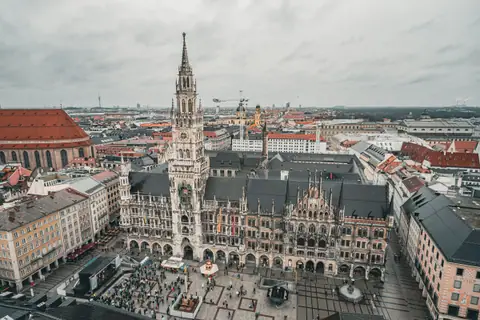
Bavarian Court and Civic Munich: Marienplatz, the Wittelsbach Residenz and Kunstareal
Germany
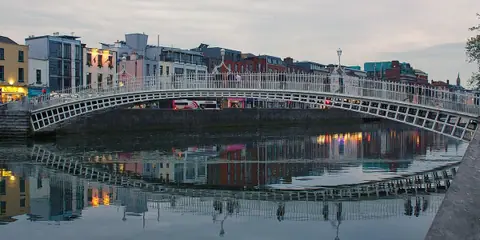
North and South of the Liffey: Medieval Dublin, Trinity’s Long Room and Georgian Squares
Ireland
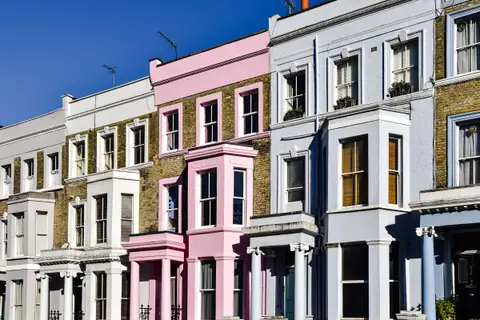
Harbourfront Copenhagen: Christian IV’s Dutch Renaissance Spires, Nyhavn and Christianshavn
Denmark
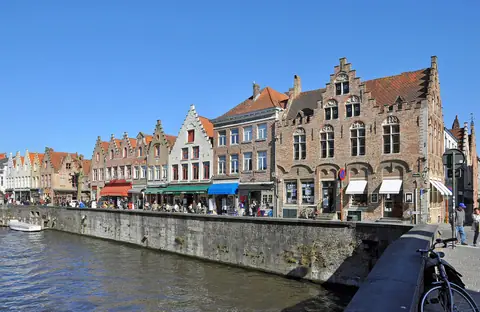
Brick Gothic Bruges: Hanseatic Squares, Quiet Almshouses and Canal Bridges
Belgium
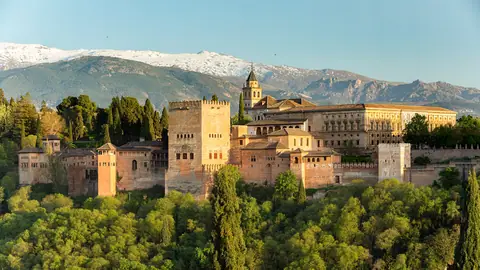
Hillside Granada: The Red Fortress of the Alhambra, Albaicín Cisterns and Darro Valley
Spain
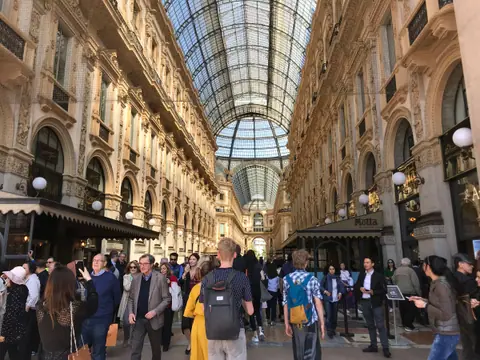
Stone and Canals in Milan: Duomo Terraces, Sforza Courtyards and the Navigli
Italy
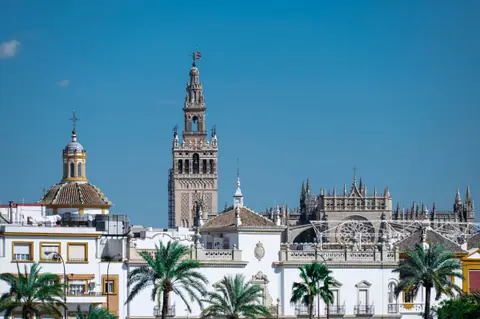
Through Historic Seville: Mudéjar Courtyards, Santa Cruz Alleys and the Guadalquivir
Spain
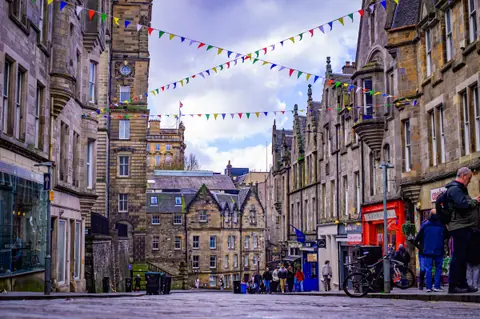
Edinburgh’s Twin Ridges: The Royal Mile Wynds, Georgian New Town and Leith
United Kingdom
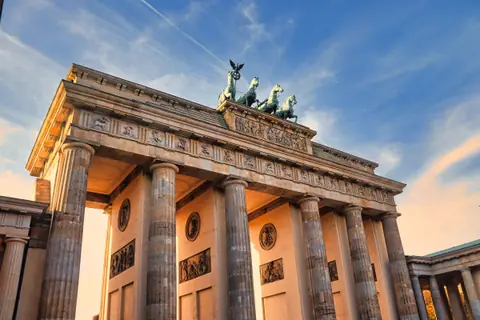
Walking Berlin’s Historic Core: Museum Island, Unter den Linden and Spree Quarters
Germany
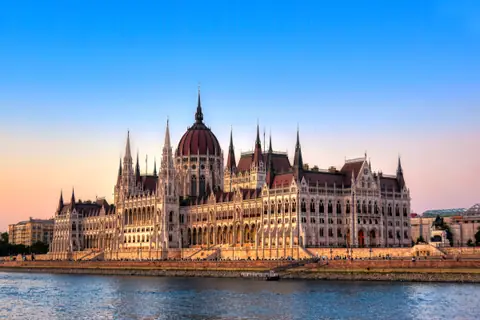
Both Banks of Budapest: Castle Hill Cobblestones, Parliament and Pest Boulevards
Hungary
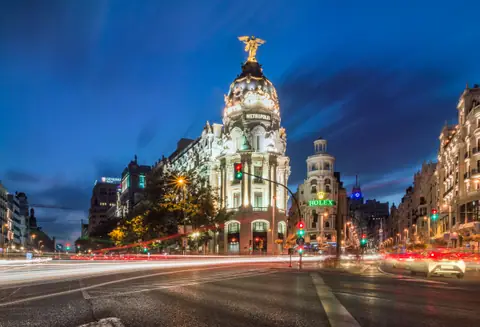
Madrid of the Austrias and Bourbons: Plaza Mayor to the Paseo del Prado
Spain
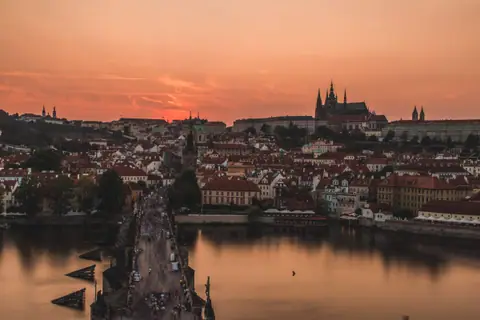
Crossing Old Prague: Staré Město Courtyards, Charles Bridge and Hradčany
Czech Republic
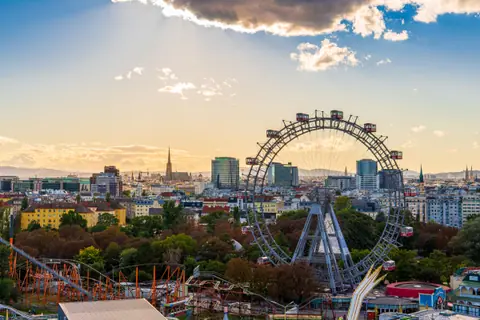
Inside Vienna’s Ringstraße: Imperial Hofburg, Coffeehouses and Baroque Palaces
Austria
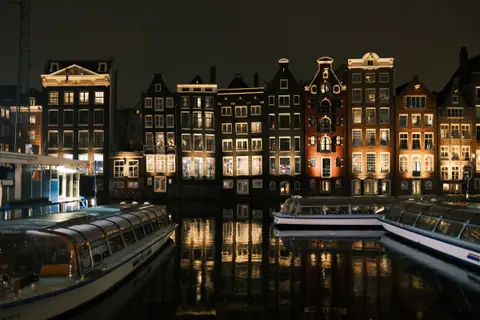
Amsterdam’s Golden Age Grachtengordel, Jordaan Courtyards and Harbourfront
Netherlands
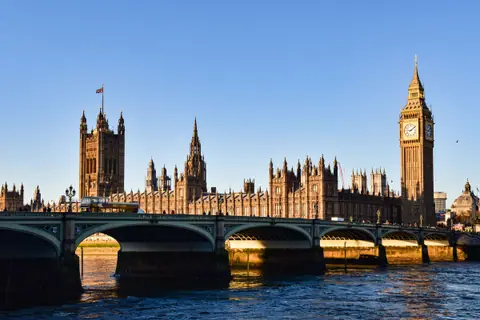
Across Historic London: Westminster Abbey, the Square Mile and South Bank
United Kingdom
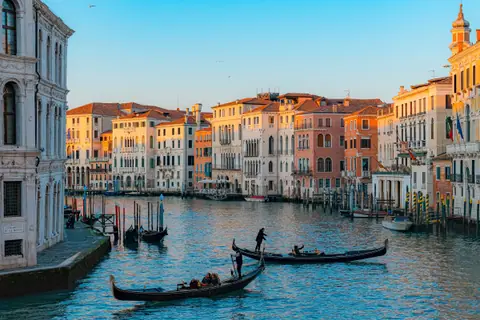
Through the Sestieri of Venice: Canals, Palazzi and Lagoon Islands
Italy
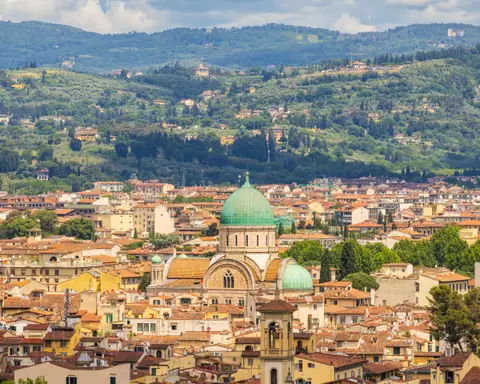
Walking Historic Florence: From the Duomo Dome to Oltrarno Workshops
Italy

10 Days in Turkey Itinerary: 3 Well-Paced Routes, Flights and Gate Strategies
Turkey

Dubrovnik Old Town Guide: City Walls, Stradun and the Adriatic Pearl
Croatia

Krakow Old Town and Kazimierz Guide: Main Square, Wawel and the Jewish Quarter
Poland
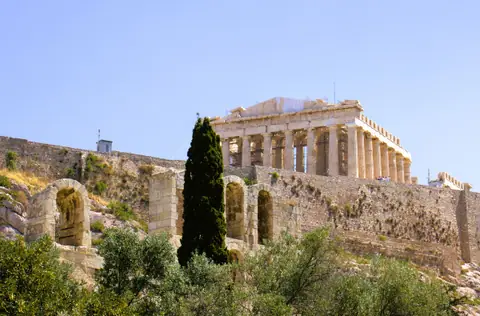
Athens Acropolis and Plaka Guide: Ancient Sites, Old Lanes and Tavernas
Greece
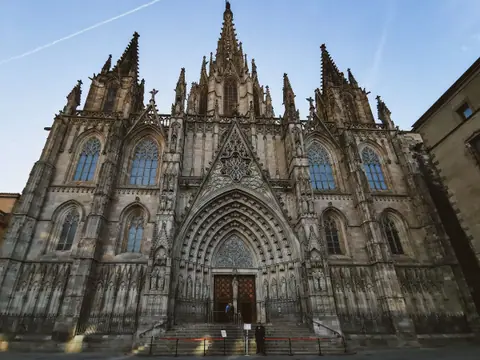
Barcelona Gothic Quarter and El Born Guide: Cathedral, Lanes and Tapas
Spain
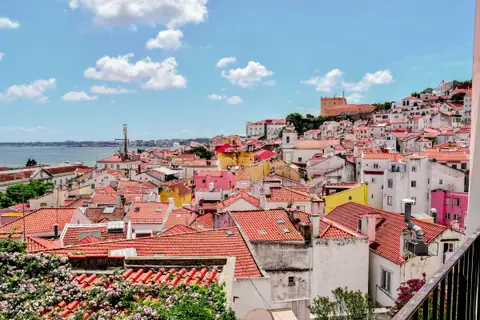
Lisbon Alfama Guide: Castle, Miradouros, Fado and the Old Hills
Portugal
Experiences
No bookable experiences here yet.
